I use a variety of different types of film. I don’t go in for this consumer grade vs. professional thing either – whatever emulsion / film / whatever gets your pictures is fine by me and should be fine by anyone!
Expired Film
Some of the most interesting is expired film, often because you can find film stock which hasn’t been produced for a while.
If it’s been cold stored chances are it’s still very usable, but if you don’t know the storage status it can be a gamble. I don’t mind unexpected results from expired films. I like the very interesting results, colour shifts, desaturation, excessive grain and strange fogs amongst other things, so it’s very pot luck – which is part of the charm.
As a general rule the lower the ISO the less the degradation in quality over the years, generally if I know the storage conditions I shoot the film a little lower than box speed, if not and the ISO was 200 generally I would shoot as if it was 100 ISO, 400 ISO would be shot as if 200/250 ISO and so on…
(In date) Film
Obviously in date film differs from expired film in that it isn’t expired. But this film is much the same as expired, in that ideally you should keep it cool, and shoot it consciously. Furthermore with in date film, you can pretty much shoot at box speed, or if you’re a fan of push processing (which means rating a film higher than what it is) you could shoot ISO 400 film as if it’s ISO 800 film. When processed (push processed) this element of underexposure by up rating the film will be compensated for by overdeveloping. It’s imperative to shoot the whole film at the uprated ISO and to tell the lab (or make a note if you’re developing yourself) you need the film to be push processed.
Films
So let’s look at some examples of film which I use / have used and where I can offer some insight into these films and companies I have!
I apologise for the American spelling of colour used on the page but I am staying true to the names used for branding!
AGFA / AGFA Photo film
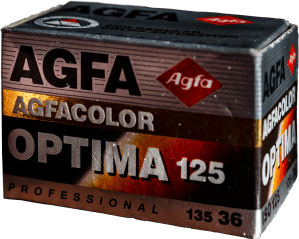
This Agfa Agfacolor Optima 125 expired in May 1995. Produced by Agfa rather than the consumer film produced by Agfa Photo. This film was only made between 1991 and 1995. Because it had been stored properly and had been shot at a lower rated ISO than box speed, the results from this roll were very pleasing.
Both Agfa and Agfa Photo produced a number of films over the years, including some which were rebranded for retailers. The story of these films is quite convoluted and apologies if the story below isn’t 100% but I’m doing my best to abridge it!
Agfa-Gevaert originates in 1867, however the Agfa name emerged in 1897. Producing a number of photographic films and films for other purposes. The consumer film element of Agfa was sold in 2004, to a company founded via management buy out, the company being named Agfa Photo, and was held by an investment company.
Agfa Photo was an amalgamation of a manufacturing arm and a holding company, the manufacturing arm had to close their factory in 2005 within 7 months of establishing of Agfa Photo due to bankruptcy, however the holding company remained solvent and retained the trademark.
Also in 2005 the holding company licensed the AGFA Photo trademark to Lupus Imaging & Media. Having the film firstly manufactured by Ferrania in Italy, then when Ferrania themselves closed their factory in 2009 the holding company sourced film via Fuji for their colour offerings and Ilford (Harman) for black and white films.
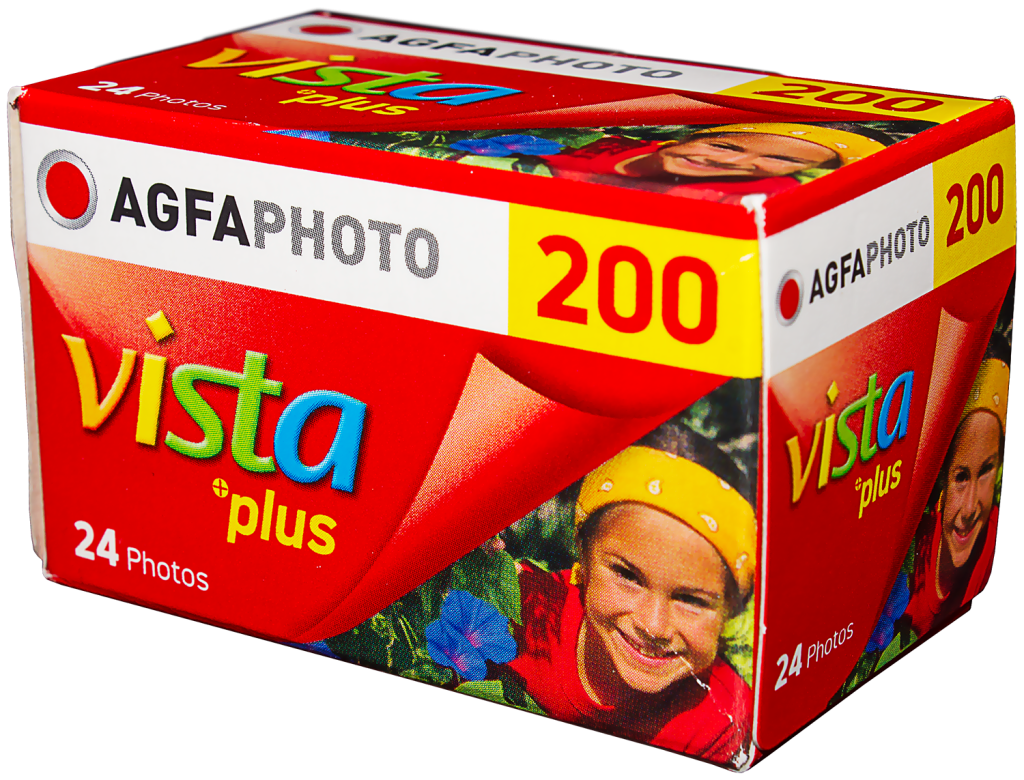
The colour offerings at this point were the Agfa Vista Plus range which included ISO 200 and ISO 400 films. It’s said that until 2013 the two films were custom offerings from Fuji, based on Color 200 and Superia 400. After around 2013 the ISO 200 was rebranded Fujicolor C200 and the ISO 400 film looked to be Superia X-Tra 400.
The AGFA Photo Vista Plus range was most famous perhaps for having been sold in Poundland! When Fuji announced in 2017 they’d in essence kill most of their C-41 colour film lines the production of AGFA Photo Vista Plus ceased despite both of the often quoted origin films still being in production…
As an aside Poundland’s most recent offering was also rerolled Fujicolor 200, but put into a plastic canister and only containing 10 (if you could even get that out of it) exposures.
You can see more information on this film below!
It was also sold for £2...
Foma Bohemia
First off, if anyone is looking to start using black and white film, either this or Ilford XP2 is where I’d recommend you go.
Foma Bohemia are a Czech Republic company established in 1921 originally called Fotochema, becoming Foma Bohemia in 1995.
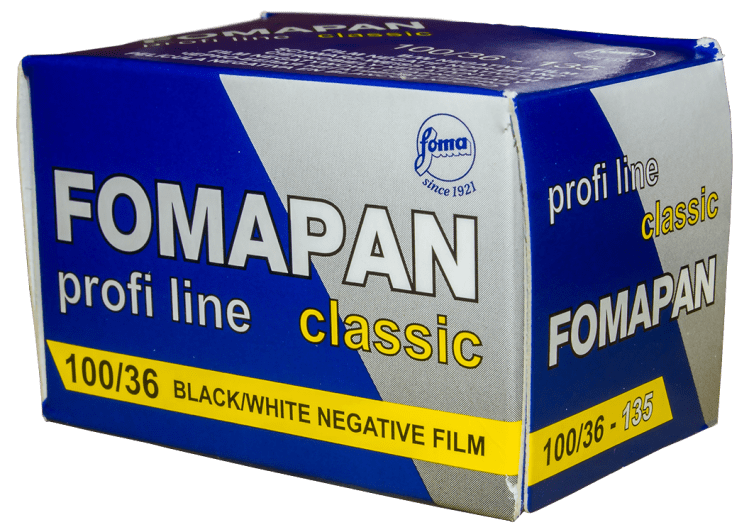
Fomapan Classic is a typical panchromatic emulsion film.
The results are pleasing but there is some grain. It’s quite an atheistically pleasing grain and the results are quite sharp.
It even does quite well in less than ideal light (though it’s best to meter for the highlights in the knowledge that any darker areas can be positioned to create a compositional element).
Please also see the section on Ilford XP2.
Fujifilm
Established to produce photographic film in 1934 Fujifilm has a long history and has produced a great number of camera films.
I’m going to focus on the two colour negative film types which are currently available in the UK (Superia and C200) – compared to the previous offerings in the UK this is quite modest.
Superia
Introduced in the late 1990’s for the consumer market.
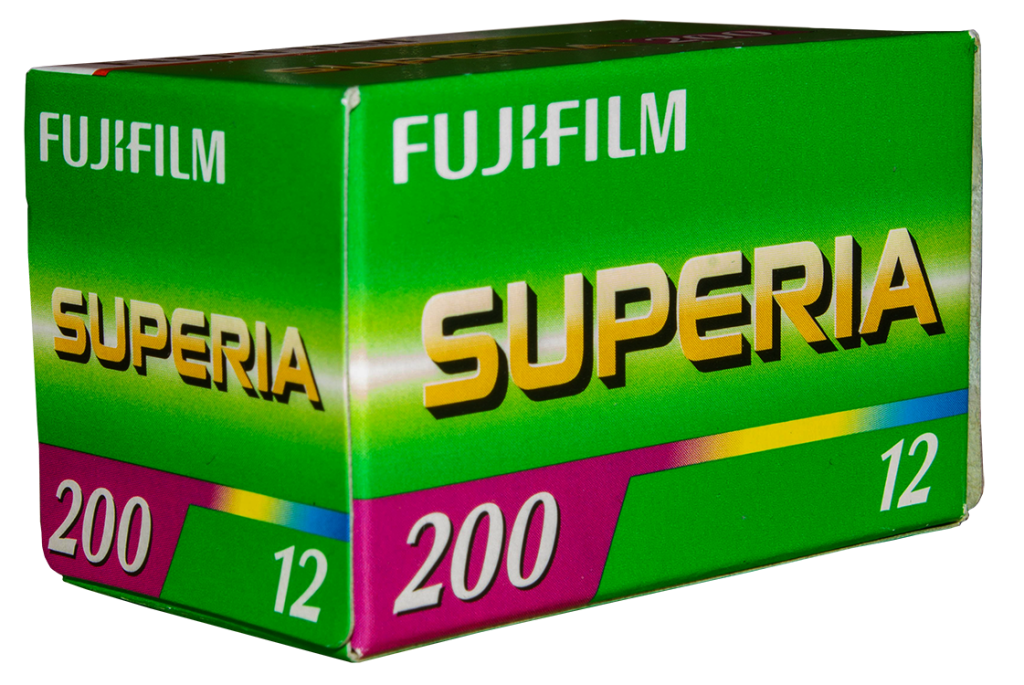
The film used to have a number of variants including this ISO 200 film, another 12 exposure roll. The ISO 200 film was intended to be a rival to Kodak Gold 200. Superia 200 was discontinued in 2017.
There was also a ISO 100 roll which lasted until around 2009.
There were higher speed Superia offerings, including an ISO 800 (discontinued in 2016) and an ISO 1600 (discontinued in 2017).
The current Superia range consists of two ISO 400 films, one available mainly for the Japanese market.
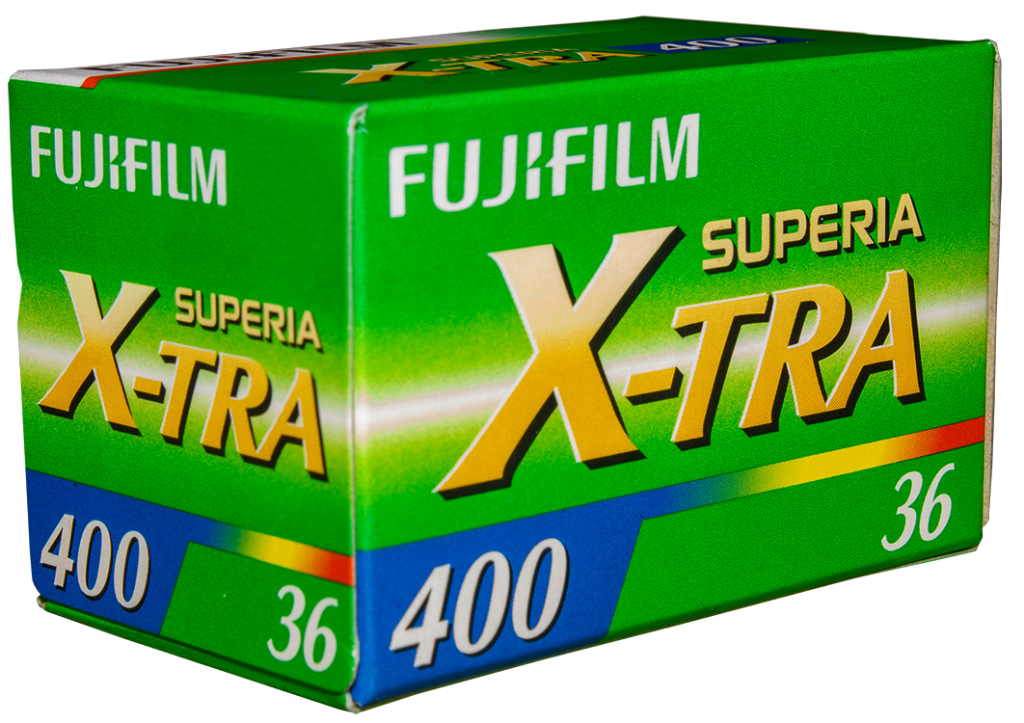
Superia X-Tra 400 is the current offering from the range outside of Japan.
Superia Premium is available on the Japanese market (also in Australia) but differs only in exposure latitude and some colour handling changes.
C200
Fujicolor C200 sometimes gets a bit of a bad press when it comes to photography, but I really don’t see why. Much like the offerings from Kodak it’s cheap and cheerful.
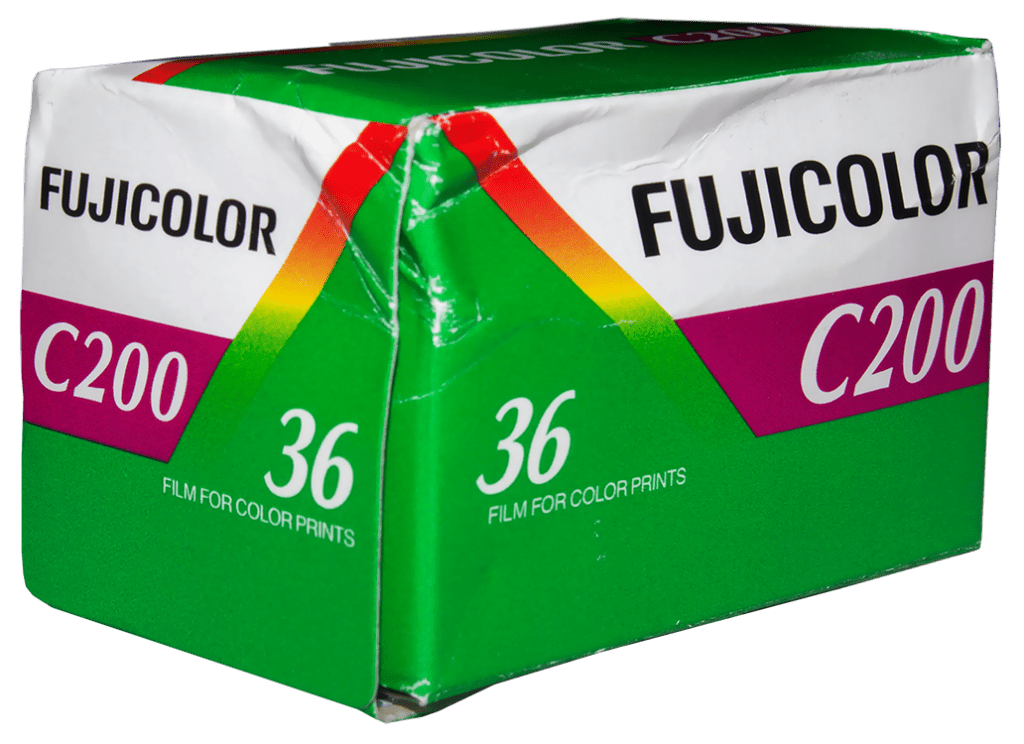
The Fujicolor C200 film was introduced in the early 1990’s, it has been updated a few times through the years and now boasts a finer grain. This film has been the basis for many other ‘cheap’ films marketed with other names, such as Agfa Vista Plus.
ILFORD
A mainstay of photographic films particularly black and white film is Ilford, cameras branded with the Ilford name were also produced, mainly in West German factories.
Not only did film and cameras make up Ilford’s range but since 1890 they also published the “Ilford Manual of Photography”.
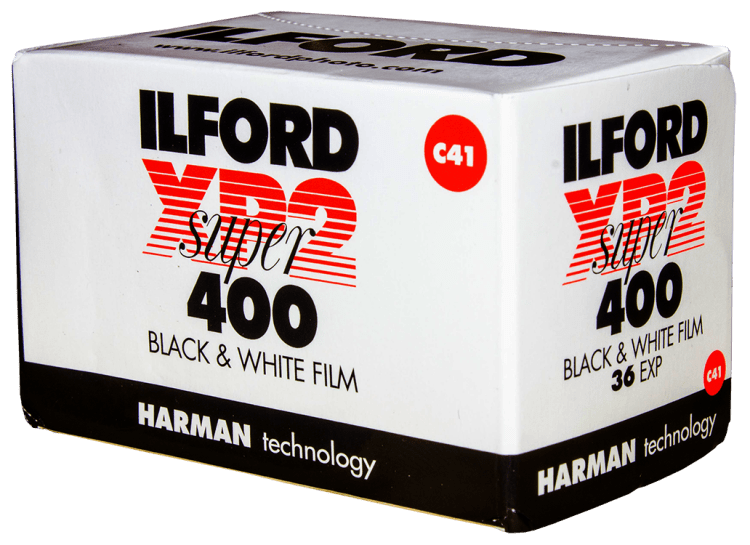
I am ashamed to say that despite having a vast range the only Ilford film I’ve really used regularly is Ilford XP2. There is a reason for that however. XP2 can be developed using the more conventional C41 process.
This type of black and white film is known as chromogenic film, one of the things I like about this is that normal black and white films are the most grainy where they are exposed the most, so the light areas tend to have grain and the darks not so much. XP2 and other chromogenic black and white film is the opposite.
I also love how versatile this film is, I never push process it, but I do shoot rating the film as either 100 ISO or 200 ISO rather than the 400 ISO in certain conditions. For example (let the camera metering work with you in this too);
| Conditions | ISO | Why? / Notes |
|---|---|---|
| Contrast-y lighting Hard shadows Harsh Sunlight | 100 | Retain detail in shadows without losing highlights |
| Normal conditions | 200 | Best balance |
| Indoor shooting Low key Low light Low contrast lighting | 400 – 800 | Usually I wouldn’t shoot the film higher than 400 but experimentation is key |
Again shooting in this way the film is developed as standard and you can use multiple settings on the same roll according to the conditions.
Jessops
Jessops sold not only manufacturers films, but films branded for them in their high street shops. Some of this proved quite popular, with some black and white film being particularly popular.
In terms of colour film the stand outs are SHR 200 (SHR standing for Super High Resolution) and Diamond Everyday.
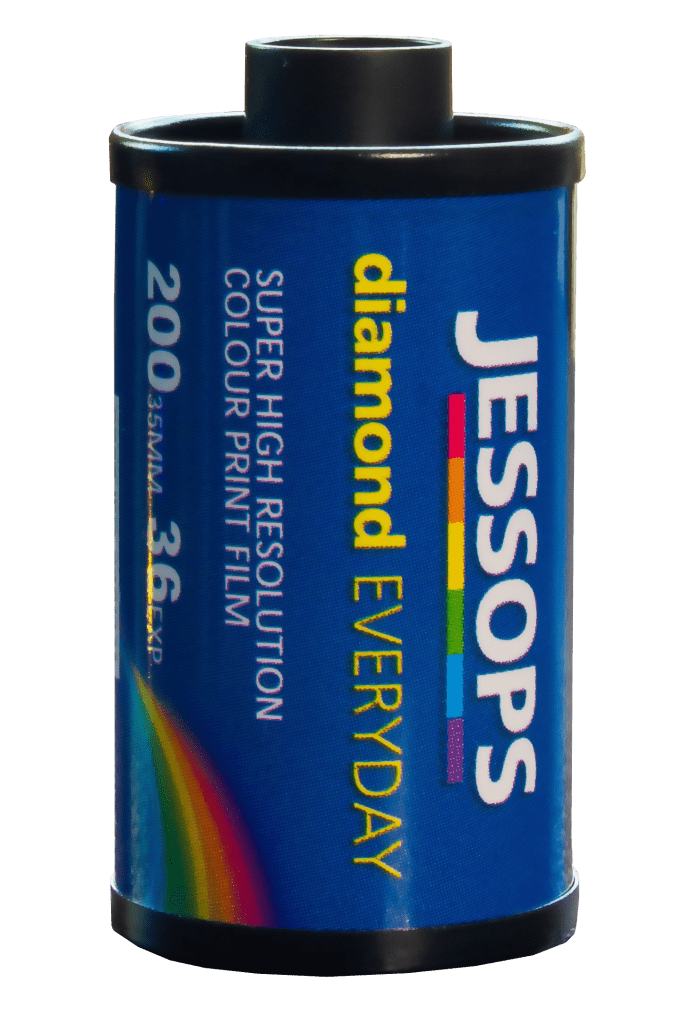
This ISO 200 film branded “diamond everyday” originates with Agfa, in early days it was Agfacolor XRG200 in later incarnations most likely a rebrand of Agfa Photo Vista Plus (meaning it may depending on age be either Ferrania made or Fujicolor 200).
This film was discontinued around 2003, however other “Everyday” films seemed to last longer.
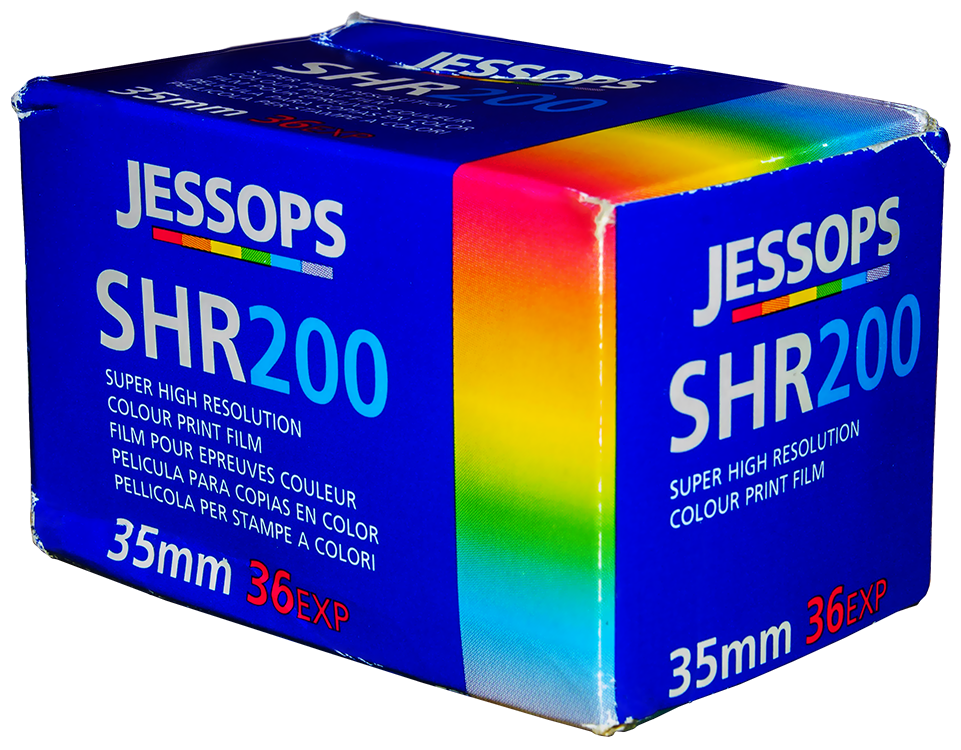
Jessops SHR200 is thought to be Agfa Perutz SC 200 film branded for the retailer. It was often given to you free when you had a roll developed in the store – but you could also purchase it.
Jessops seemed to stop selling own branded films around the time of their initial insolvency issues.
Kodak Film
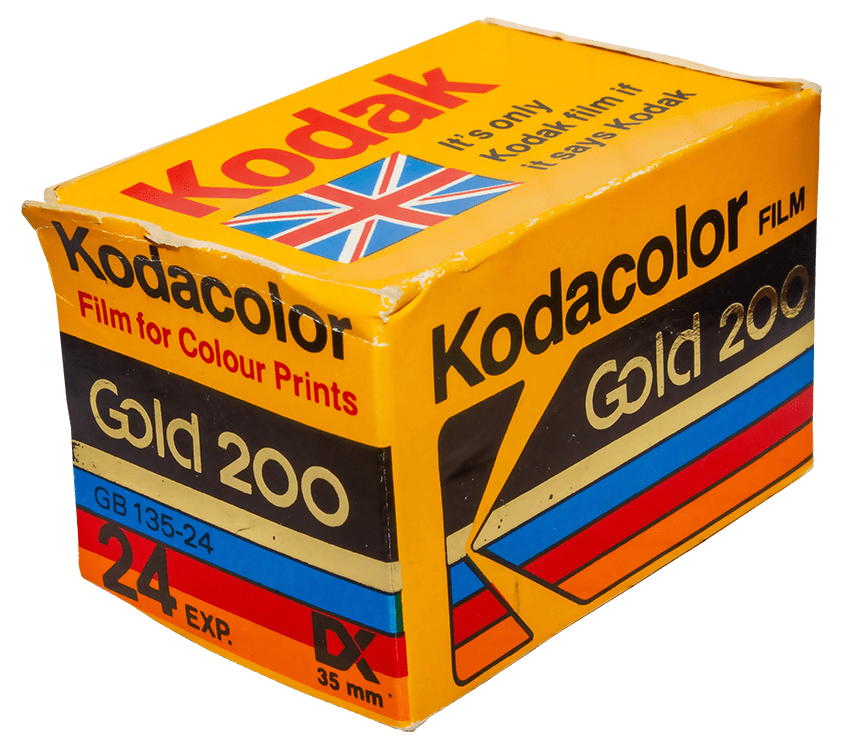
This film which was produced in Kodak’s UK factory in Harrow is part of a discontinued range, but is basically the same as the below film and the Kodak Gold 200 still available today. Originally branded as Kodacolor VR-G 200 then Kodacolor Gold 200 (as seen here) then just Kodak Gold (as seen below).

This particular roll expired in 1991, which would make this most likely from an early run of this film which began production in this guise in 1988. I believe that production using the Kodacolor prefix must’ve stopped around 1991/1992 as there’s Gold branded boxes about with expiry dates between 1994 and 1995.
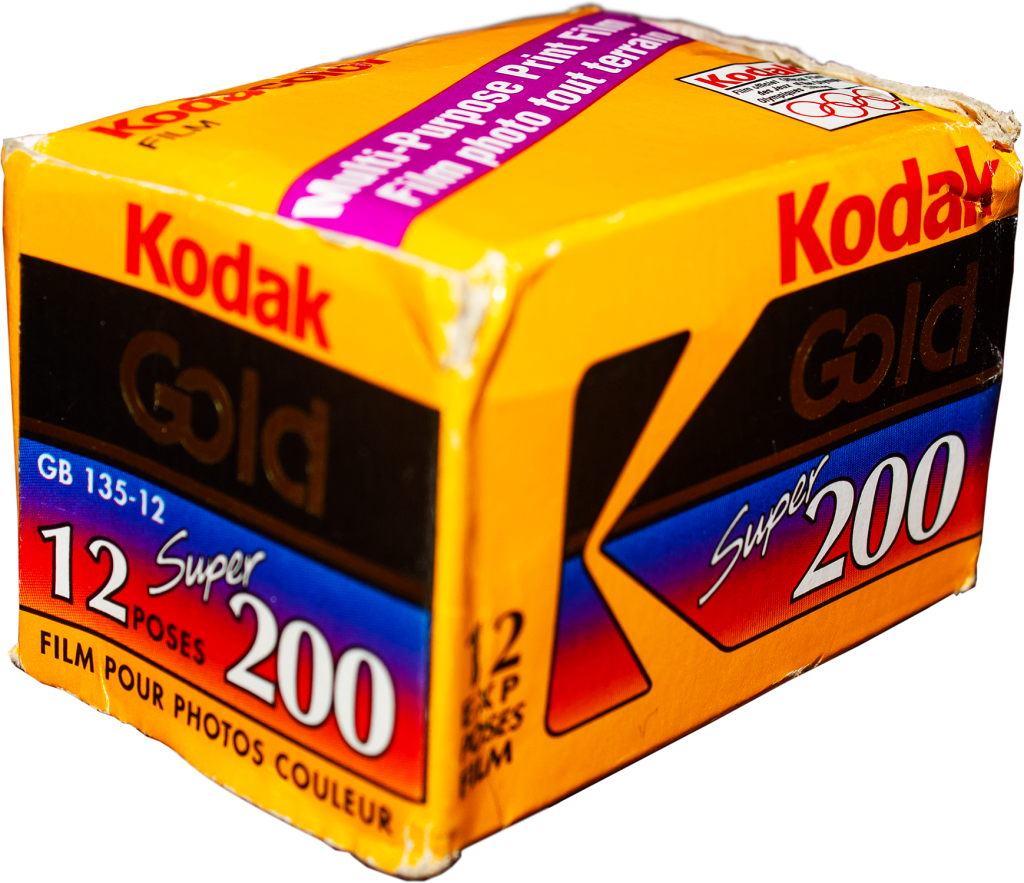
Kodak Gold is still sold to this day, however this boxed roll dating to the mid-1990’s is only for 12 exposures, 12 exposure film was an option along with 20 exposure film mainly pre-2000, obviously fewer exposures = cheaper film, but does not always equate to cheaper developing.
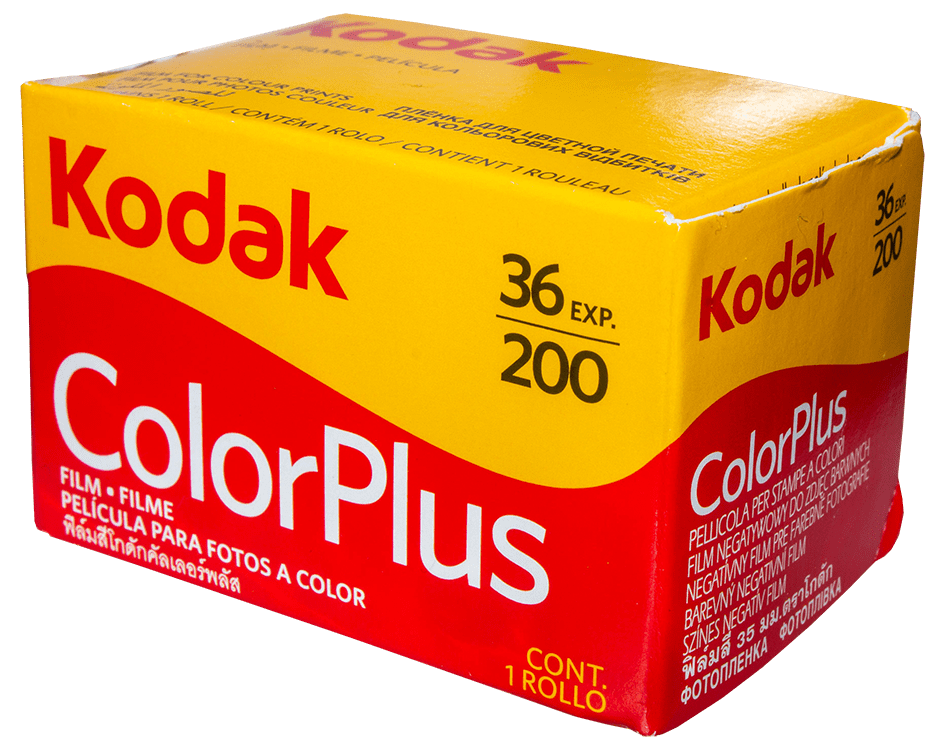
Two “consumer” offerings from Kodak which I use mainly are Kodak ColorPlus and Kodak Gold both ISO 200 films. I have also used Kodak Ultramax 400 but prefer Fuji’s ISO 400 offering.
Again I use the term consumer film as a description only.
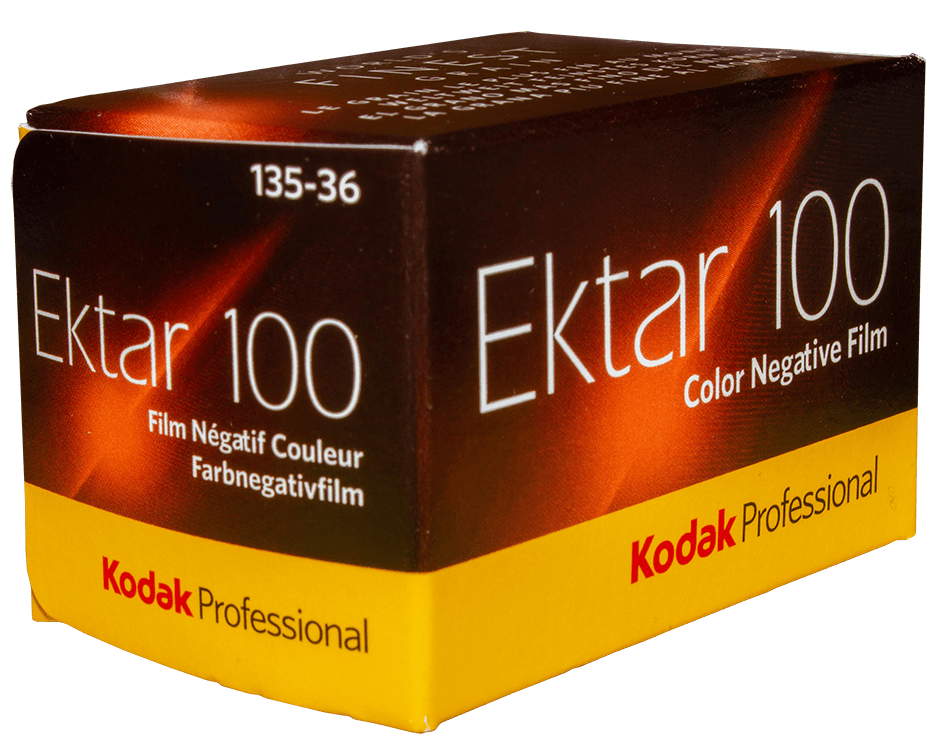
I use also Kodak films such as Ektar 100 and Portra 400 (but I only use Portra 400 on the medium format / 120 cameras).
Not Quite Kodak

This Chinese Lucky Super 100 film expired in 2008 and was originally rated at ISO 100. In 2003 Lucky entered into a partnership with Kodak and began producing colour films.
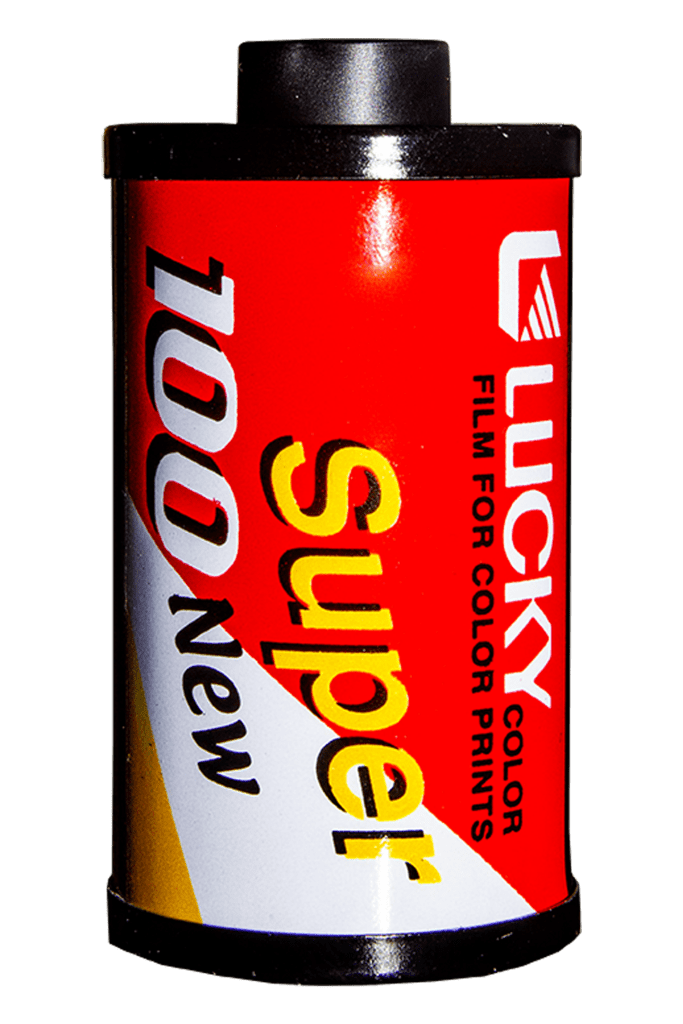
This was set to last 20 years, however ended in 2007. I suspect this film would’ve been part of this production effort.
You also can’t escape the sneaky feeling the logo to the left of the word Lucky seems a little Kodak-esque.
Poundland
Poundland used to be well known for selling the cheap film favourite Agfa Photo Vista Plus (actually at that point rebranded Fujicolor C200), once Agfa Photo stopped the “production” of this roll when Fuji announced the stopping of some film production (but ironically not Color C200) Poundland seemed quite determined to still stock a 35mm film offering.
Along comes…
Power Geek
So Power Geek seems to be a brand of Poundland’s which specialises in charging cables, power banks and the sort of home tech which goes along with it.

This film appeared a few years ago now and was a bit of a mystery at first, it offered 10 exposures and has a plastic clip together canister (which hints at the origins, see the “Wish” film category below).
This film when processed is clearly again Fujicolor C200, and I suspect this is bulk rolls purchased and rerolled into canisters or disposable camera film.
The nature of the film and it’s packaging, the canister and low exposure count add up to the same origin as recent “Wish” films.
The advantages; I’m really pleased and happy that Poundland wants to keep film going and this product keeps film in production / for sale. The disadvantages however; 10 exposures and I think I saw it for £2 a box once… to get the same number of photos from a 36 exposure box of Fuji C200 you’d have to buy 4 packs of this film. That’s £8. That’s also assuming you get 10 exposures from the box of film, because YouTube reviewers have been achieving anywhere between 4 and 9 exposures with this film, no matter how precisely they load it!
TRUPRINT
Send your film to be developed, get another roll of it back in a little foil wraped packet, remember that?
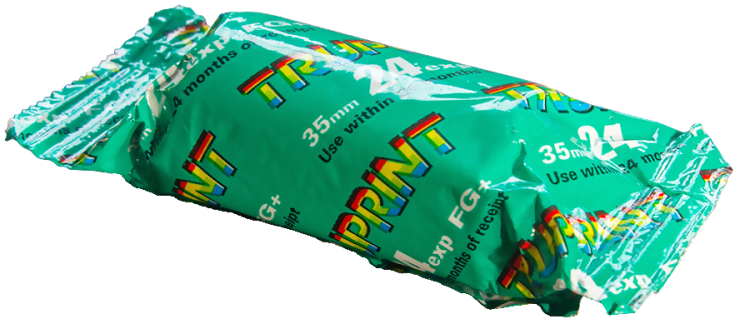
Unsure if all the Truprint 35mm offerings were the same but the FG+ was certainly produced by Ferrania… The clue is in the name, basically the Truprint FG+ equates to Ferrania FG+ 200.
Wish
Who’d have thought everyone’s favourite click bait and produce from China selling website would appear on a list of camera films.
Okay so it’s not film by Wish, but it’s film marketed by sellers on Wish.
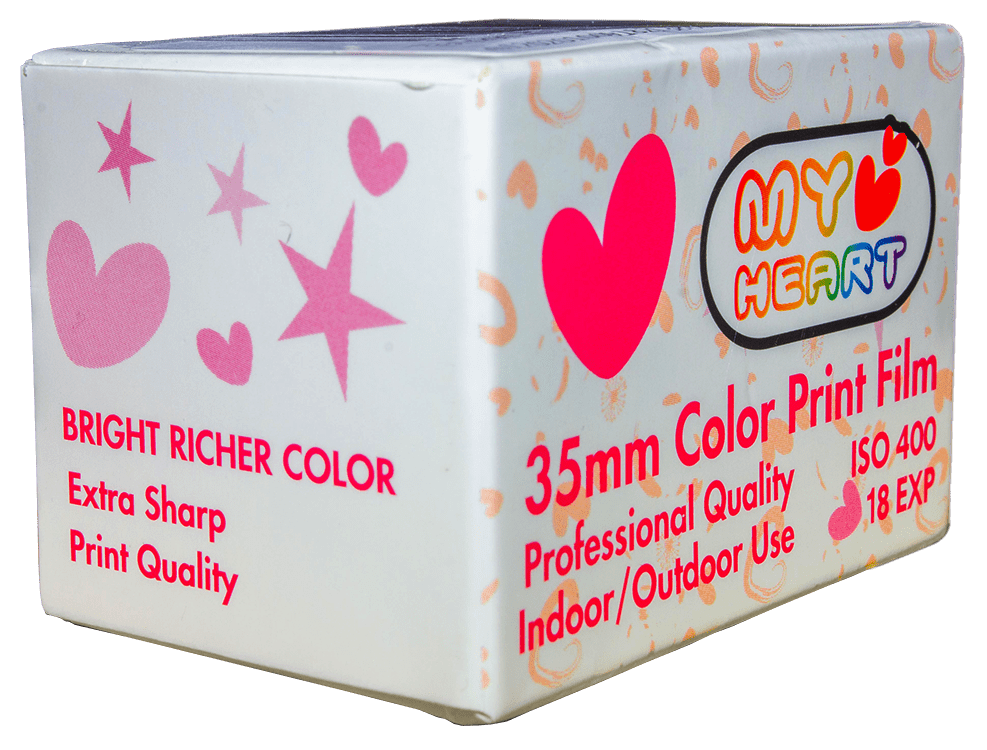
I’ve seen all sorts of film here, including these bizarre “My Heart” films, which are clearly not marketed with photography as the first thought. They appear in equally bizarre plastic canisters – very akin to those which we find the Poundland film in.
Quite honestly I really don’t mind the colourful packaging, the novelty value, or anything that others might dismiss about this, the thing is whatever keeps film being produced, marketed and sold is fine by me!
Also the films are quite interesting in that some are DX coded others aren’t and we again, like the Poundland film, have strange exposure counts, this one alleges 18 exposures and the box speed is 400 ISO.
There are a few offerings of this film, but the key is there’s ISO 200 and ISO 400 options and the curious exposure counts of 16 exposures, 18 exposures and 27 exposures. The talk is that this is re-rolled Kodak film (potentially from disposable cameras), some of the older ISO 200 film was either Kodak or Lucky Film, Kodak ColorPlus is a potential origin, but I think any rolls found now will be Fujicolor C200 and for the ISO 400 film maybe another Fuji product. (I’ll be able to provide update on this once I shoot and process the roll I have)
York Photo
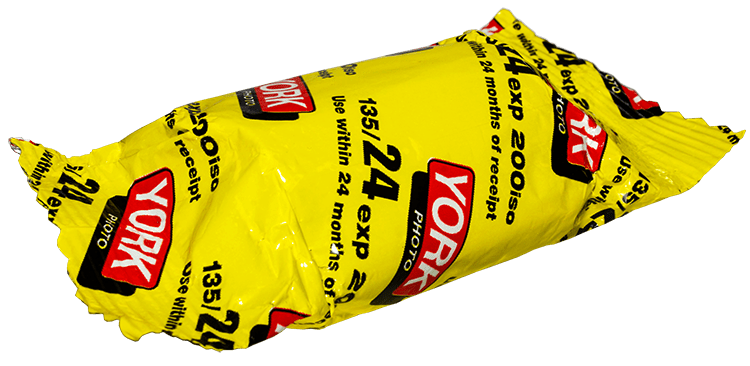
York Photo Labs had a number of different films produced and marketed in a similar way to Truprint and others. This little foil wrapped film is also Ferrania FG+ 200, much like the Truprint film above. However, AGFA also produced film for York.
 I KNOW I AM HOME