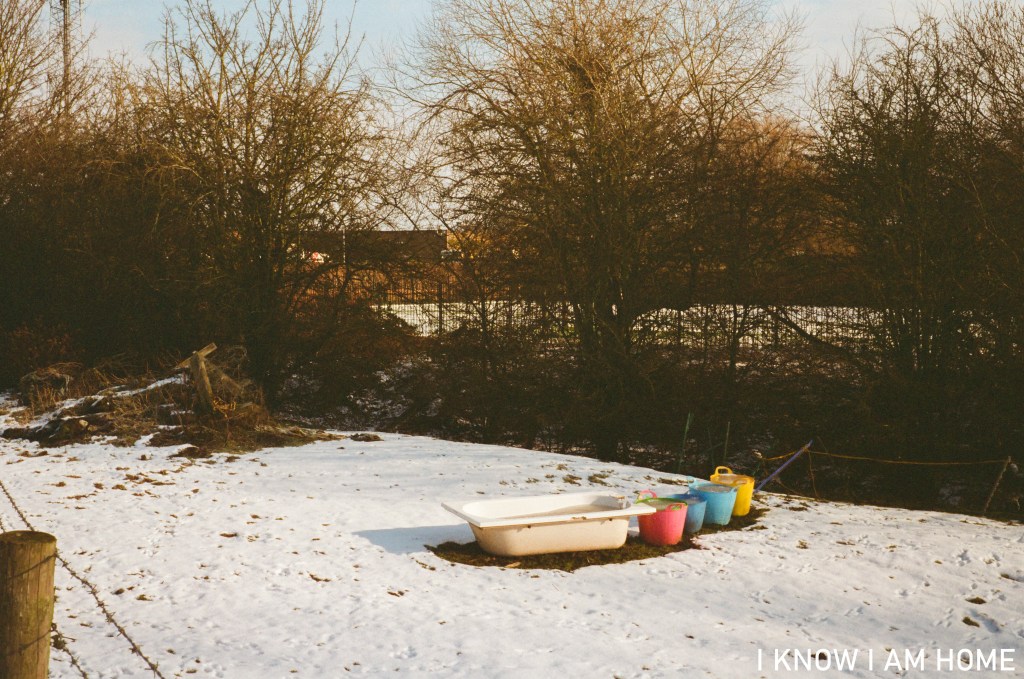
Northallerton
Olympus Trip 35
Truprint ISO 200
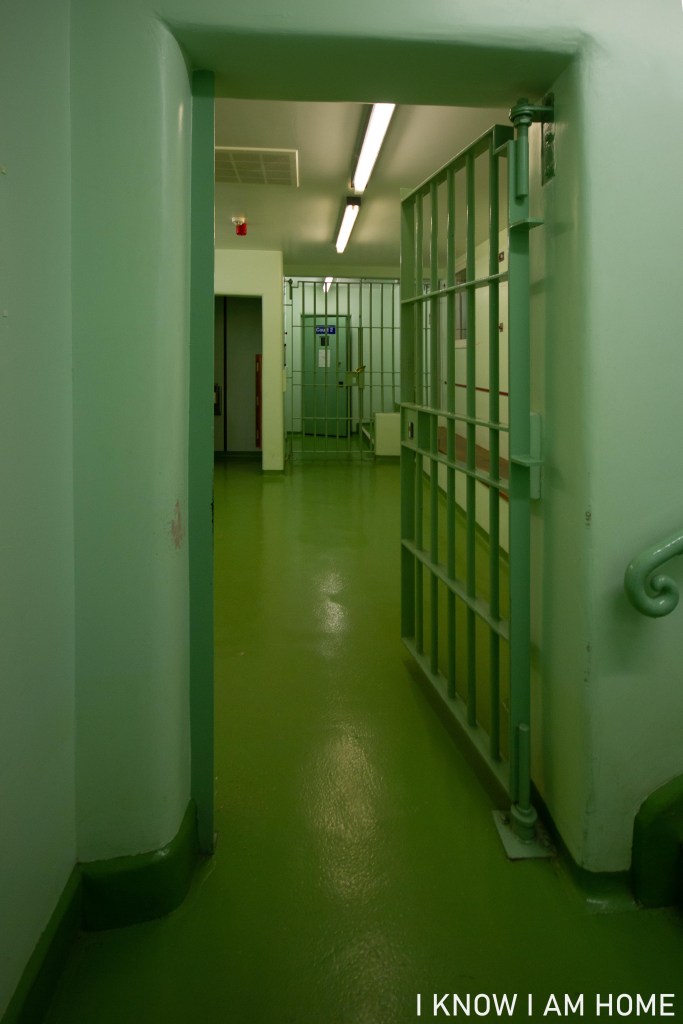
The court house had 8 cells all on the lowest floor level. The cells were linked by corridors and steps to two of the three court rooms.
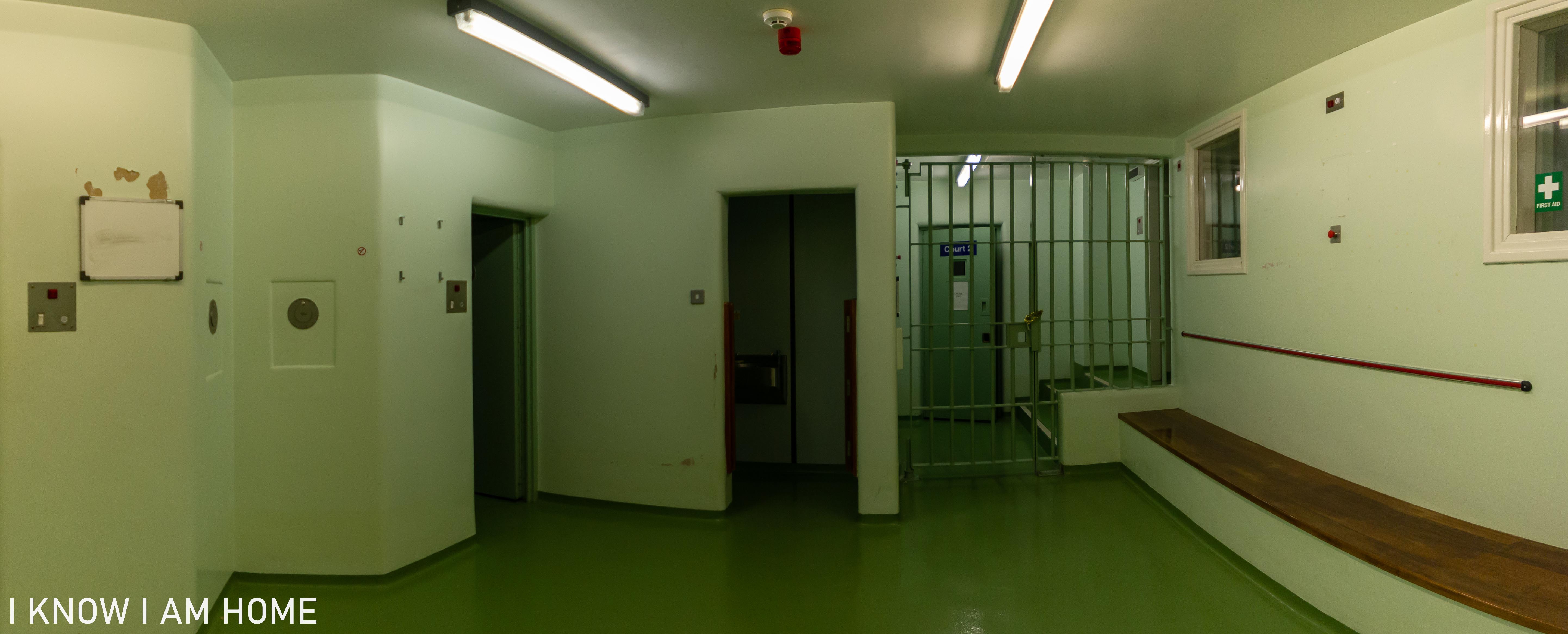
The cell area, with its emergency alarm push strip to the right…
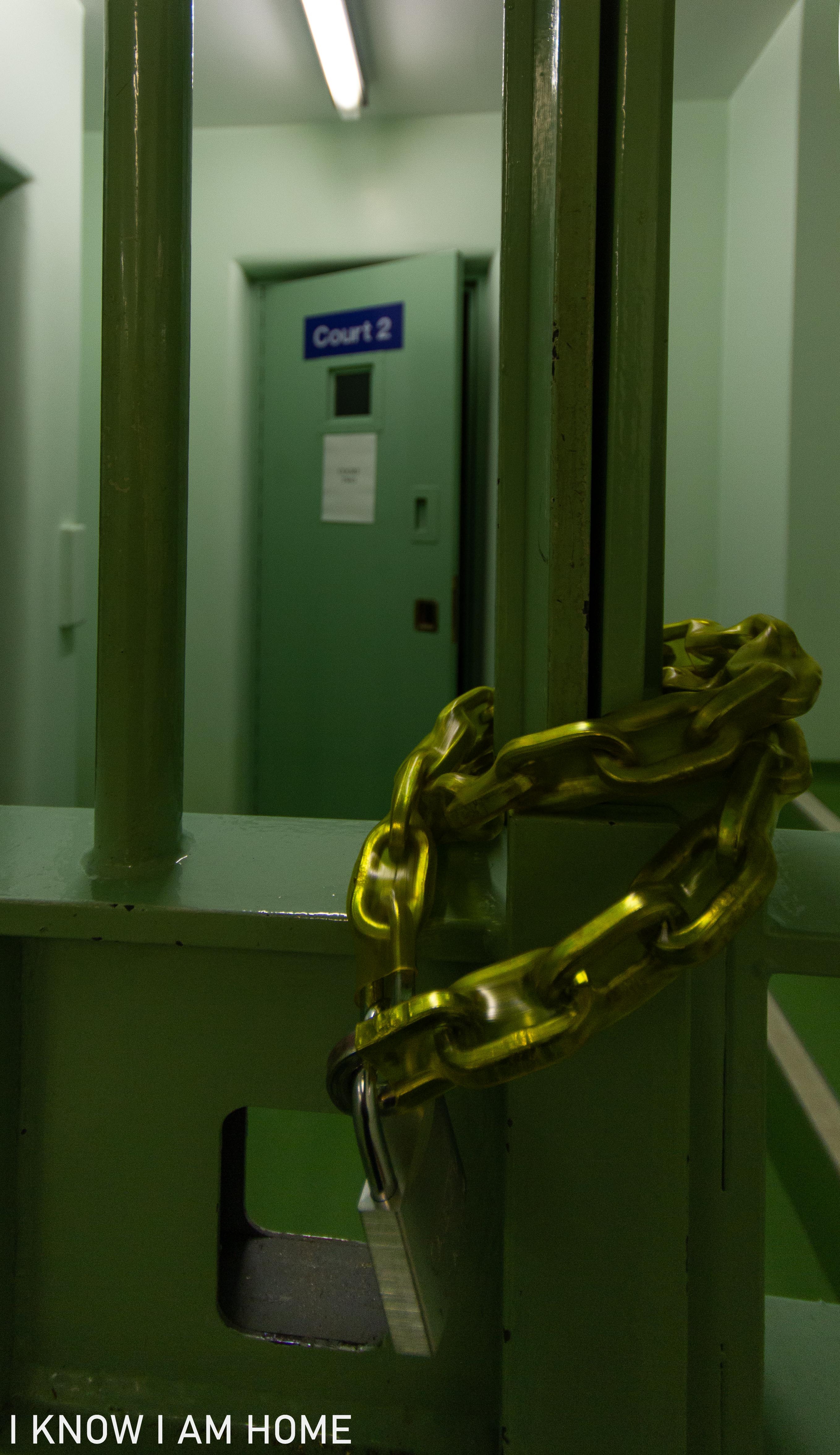
The cell area directly connects to two of the court rooms.
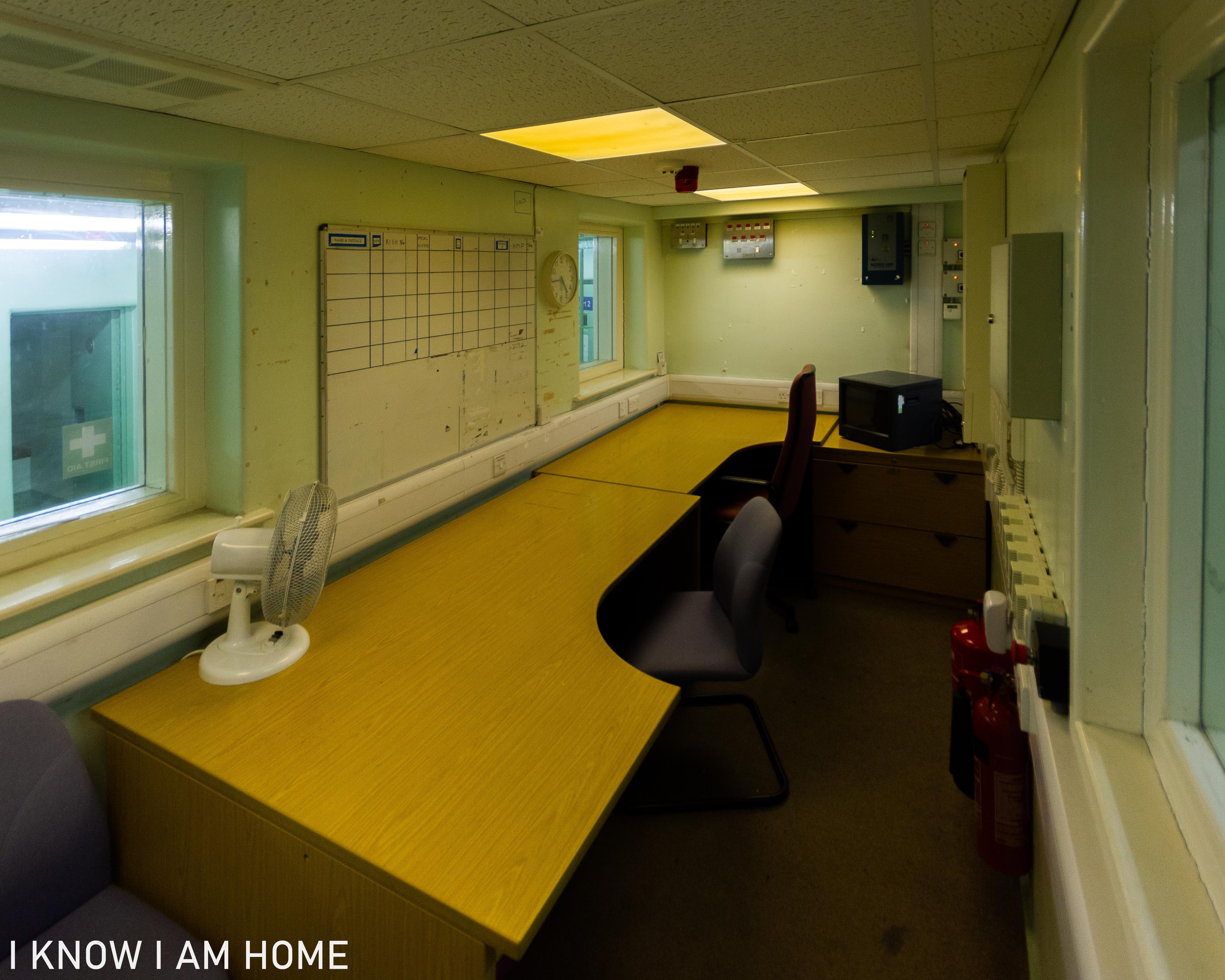
The cells could be observed from this room, again the signs of former use abundant with wipe board, and emergency push button.
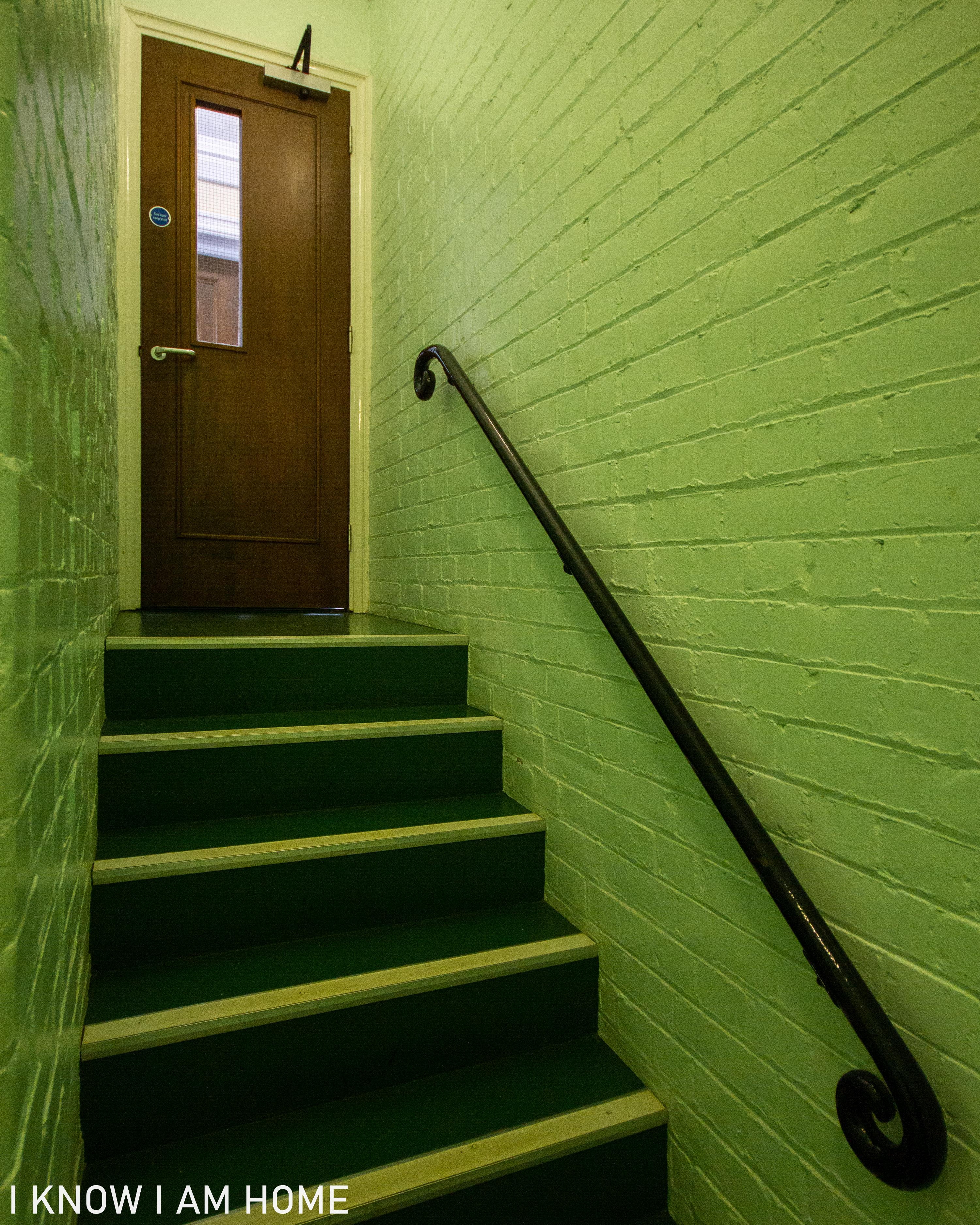
The green colour scheme, almost reminiscent of avocado bathrooms (remember those!) continues in the stairwells and corridors of the building too.
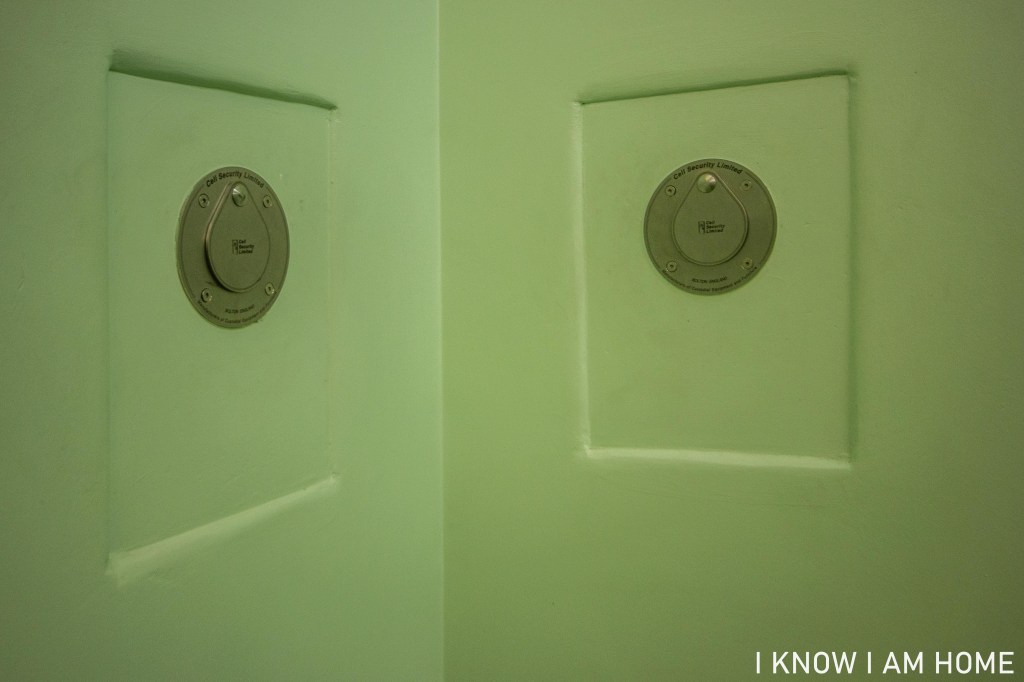
The cells area with green walls and green floor were quite oppressive feeling. But then I suppose they were never meant to be nice.


The main courtroom in the building is mostly original. However above the door and public gallery to the rear there was another gallery.
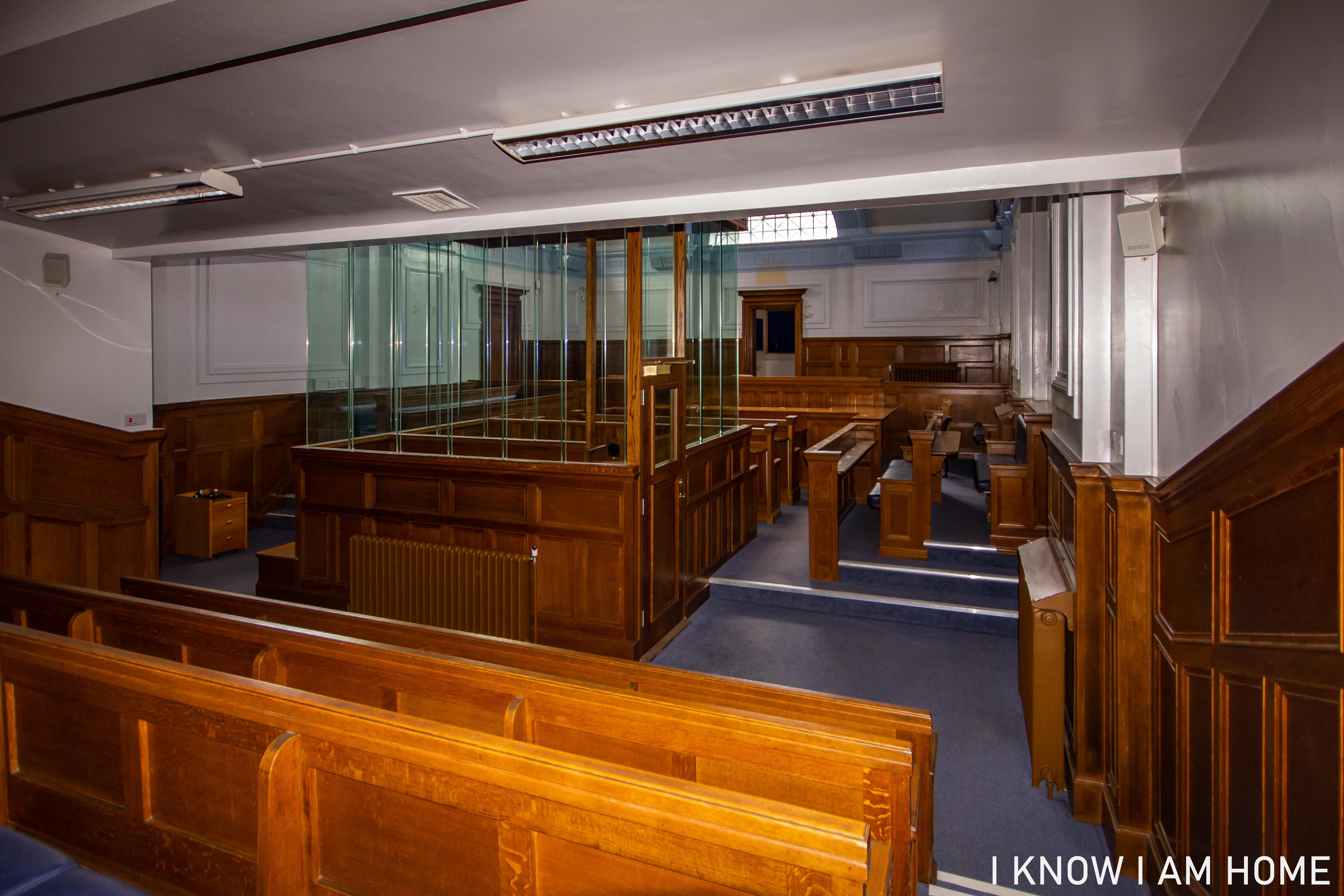
This area of the building wasn’t just used for court hearings however. Special Constables and other Police Officers were also sworn in with ceremonies here.
In the next and final post we will look at the green walled cell area of the court house.
Built in 1936 and opened in 1937 the Court House on Racecourse Lane replaced an earlier magistrates court at the prison site.
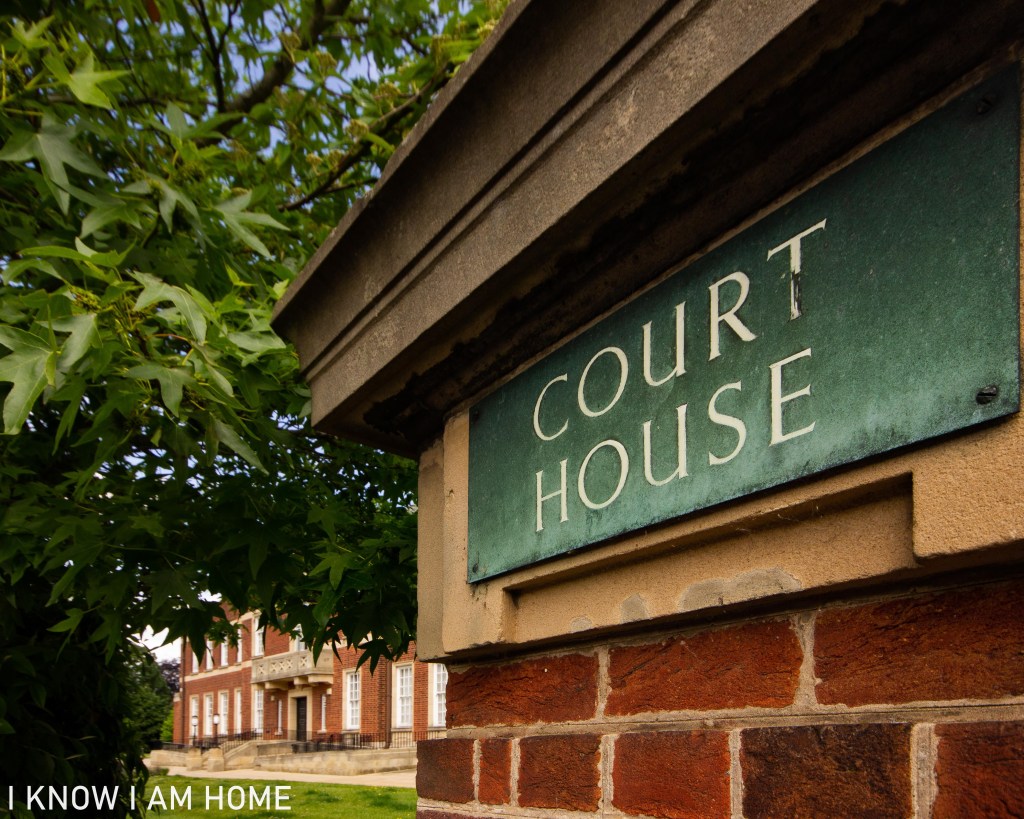
Court Sessions were held here until 2018 when the Ministry of Justice, as part of the modernising of the justice system, decided to close the court here.
Following closure in May 2019, North Yorkshire County Council acquired the building in order to allow for refurbishment of the Grade II listed County Hall which is adjacent on the opposite side of Racecourse Lane.
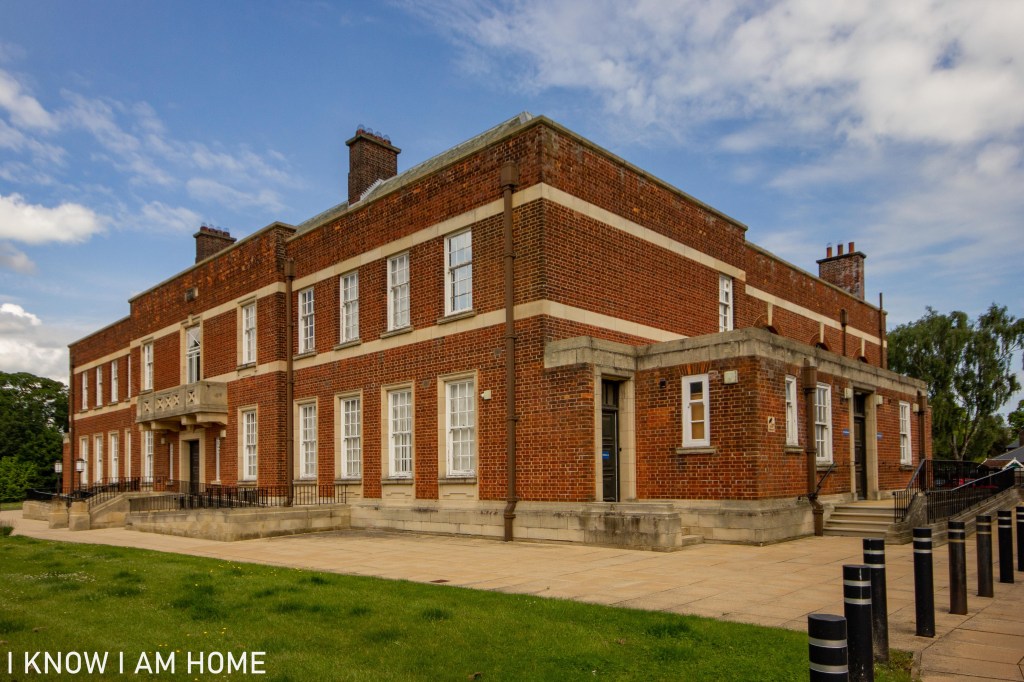
The Court House itself has a certain Art Deco aesthetic from the outside. However inside some delightful interior features betray this more!
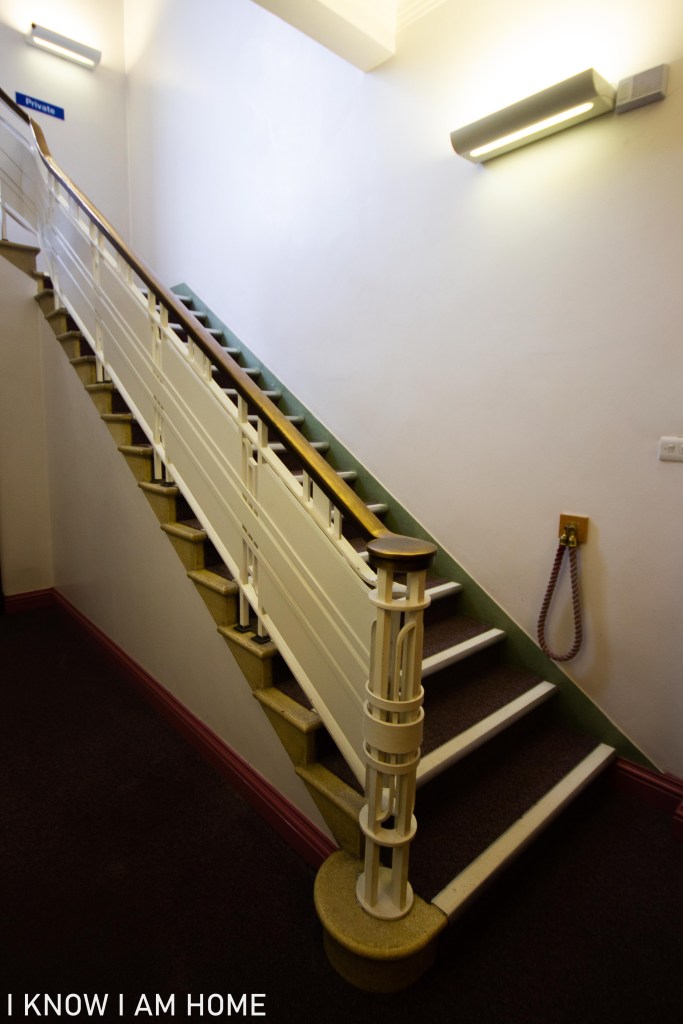
The staircases at the front of the building are a mirror image, and their balustrades with in keeping designed modesty panels with design continuing to the newels typify the lower key Art Deco design principles which were used in such buildings.

The newer addition to the building here can be seen, with the roller door “unloading area” which in this case allows for speedy and safe transportation to one of the Court House’s eight cells.
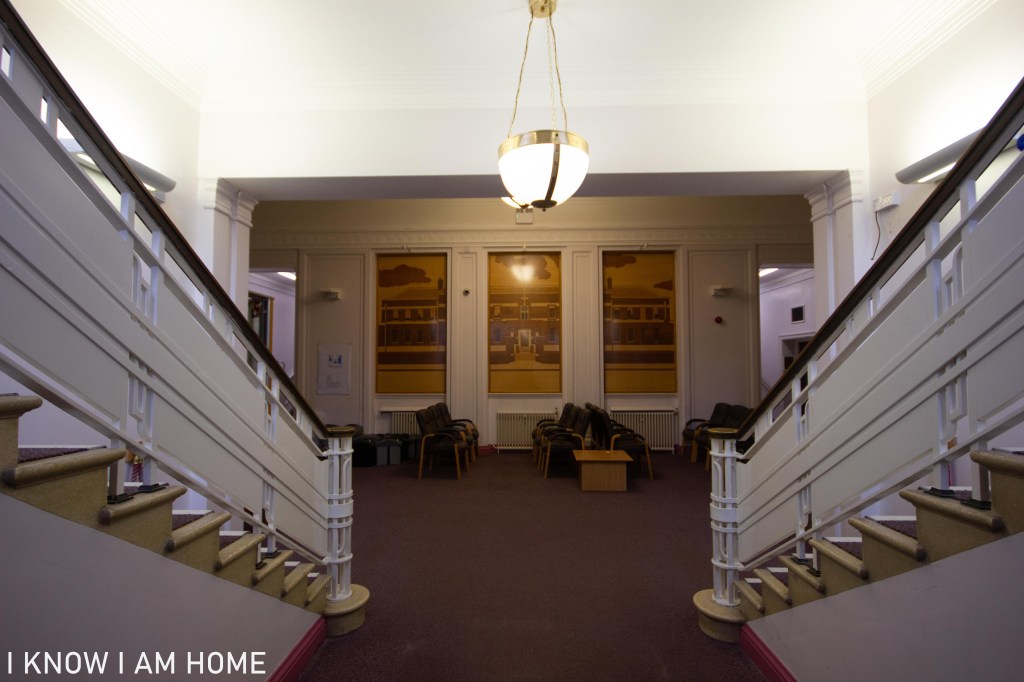
If the “secure” way in looks uninviting with the sterile environment of a roller door and isolation, the main entrance with lead-in lines of twin staircases is the opposite.
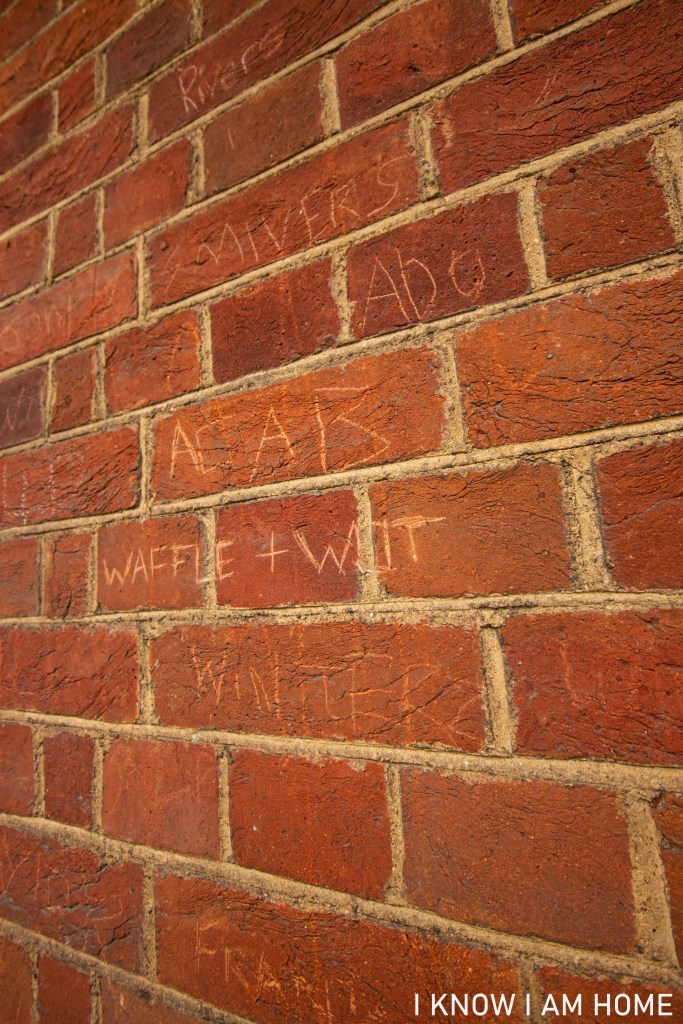
Obviously a lot more reminders of this buildings past remain, aside from remaining signage at the time of the images (before the County Council had moved in) and the above names etched in brick beside what I assume would’ve been the smokers door when court was in session.

In the next post we’ll stay on the inside of the court building – taking a look at the main court room.
 I KNOW I AM HOME