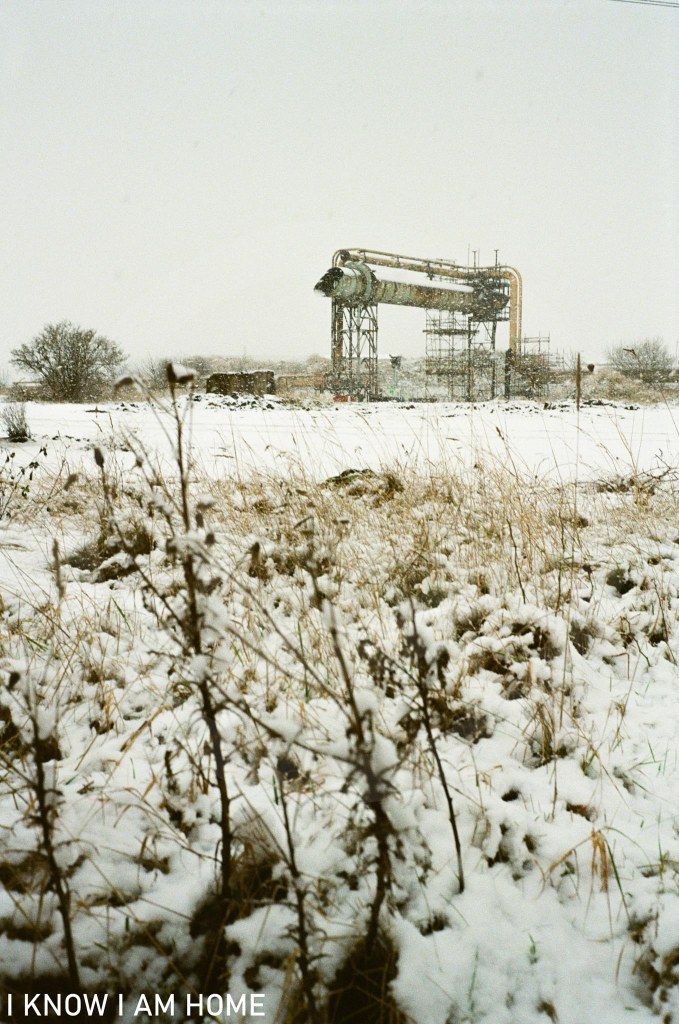
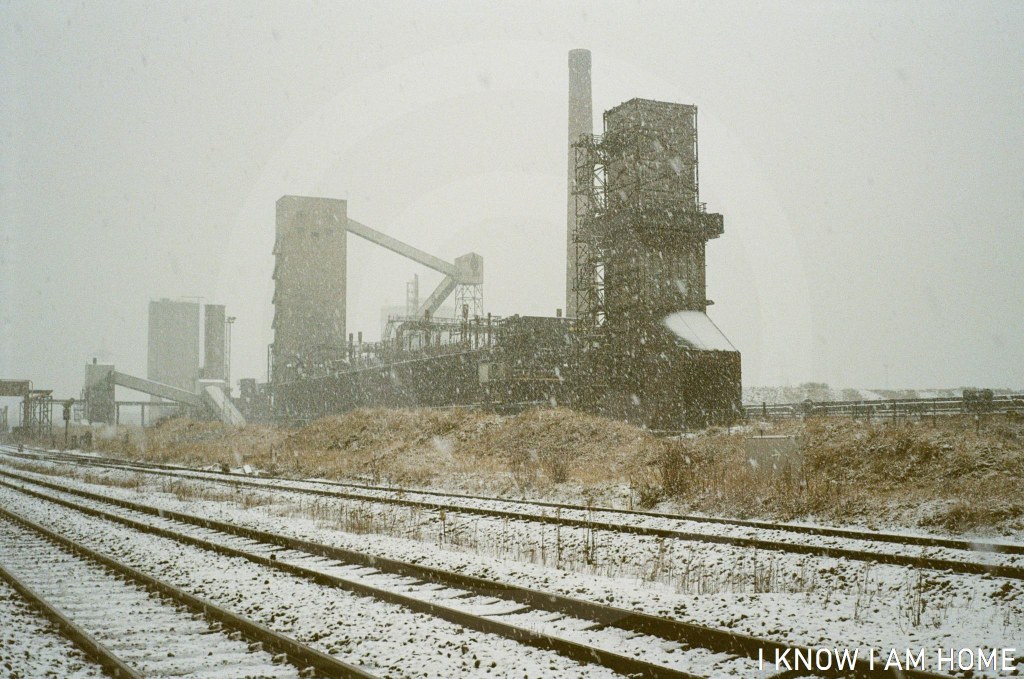
Yesterday, whilst travelling for essential purposes, I noted that most of the pipework to the west of the former underpass on The Black Path had been demolished and removed.
Like the snow which blanketed the path and surrounding environs at the very start of 2021, the lumbering beast of pipework is now gone.
Gone Like the Snow The Black Path, South Bank (02/01/2021) Olympus Trip 35 Kodak Ultramax
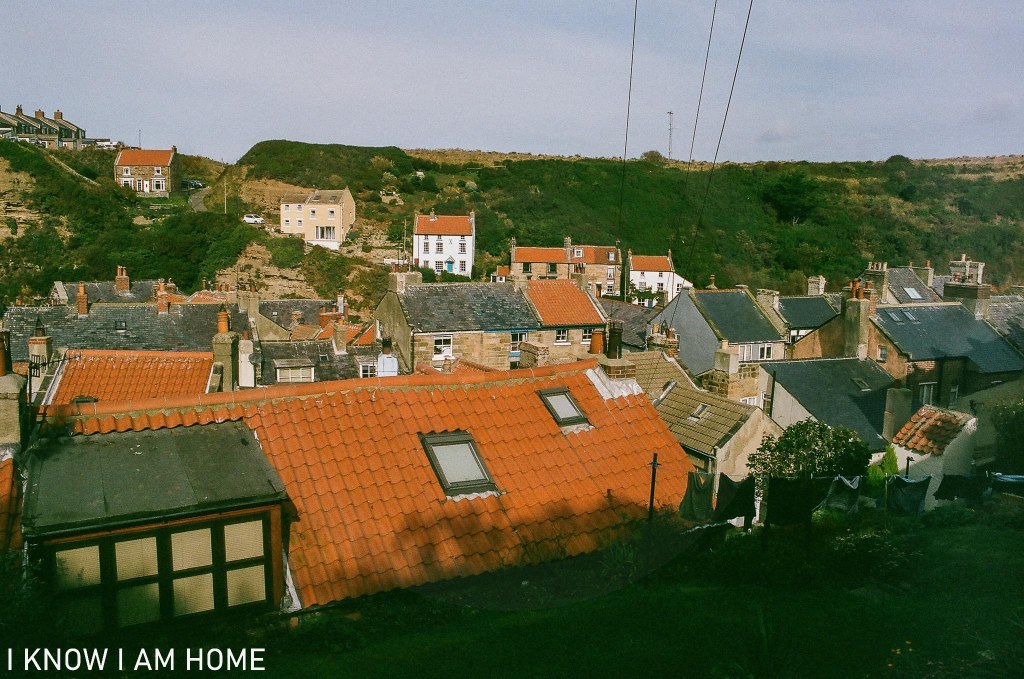
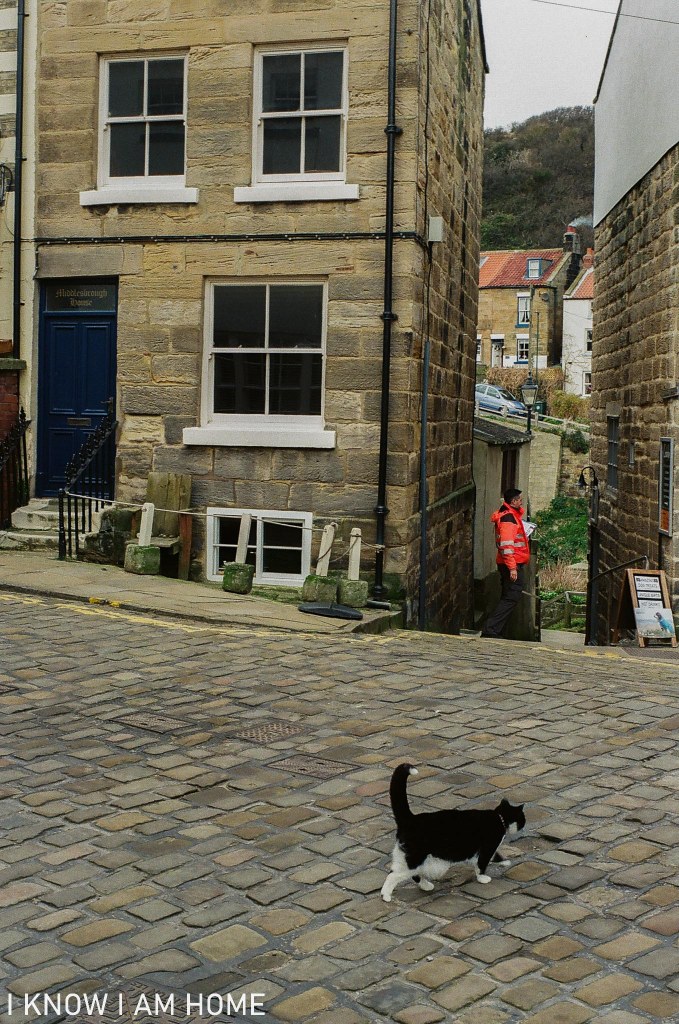
There’s just something about Staithes as a place. It’s a place that has captivated me since I was younger.
It’s a magical place and a place where I’ve spent an awful lot of time.
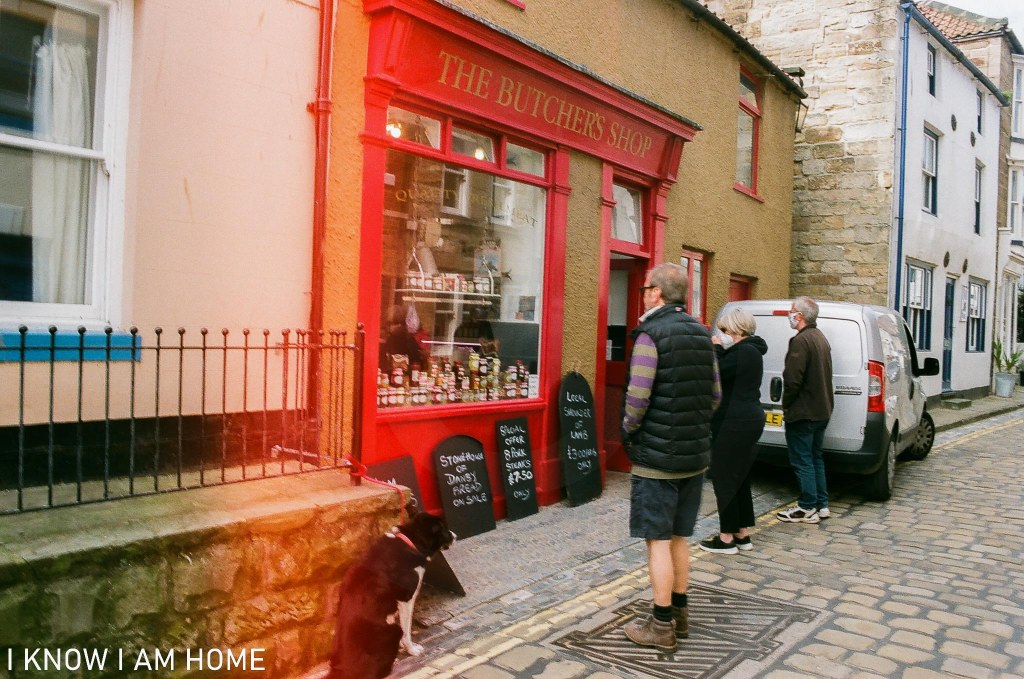
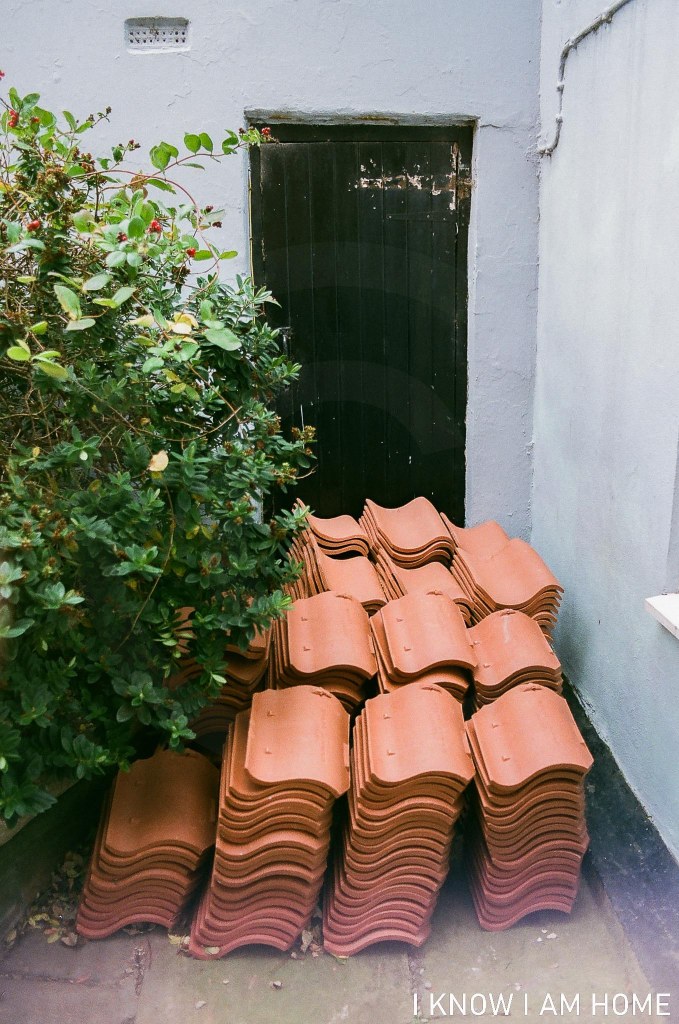
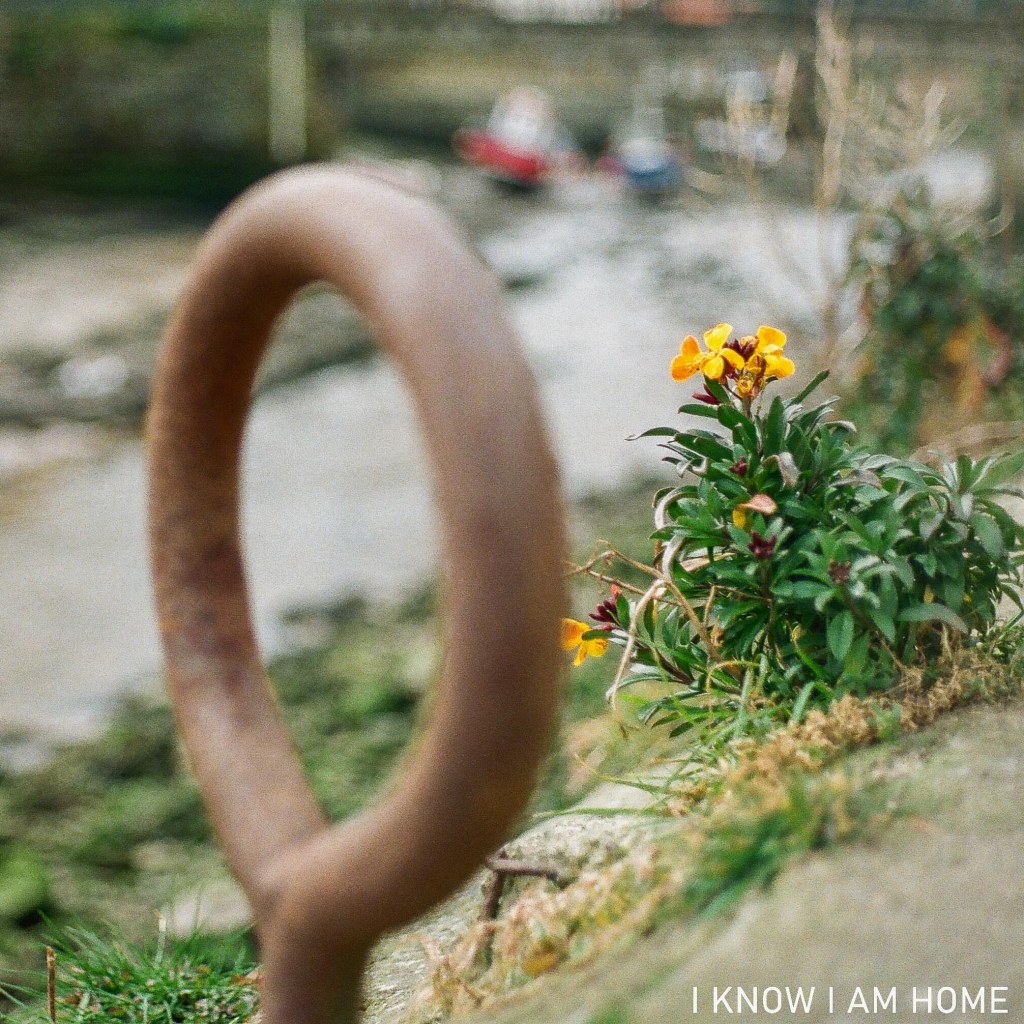
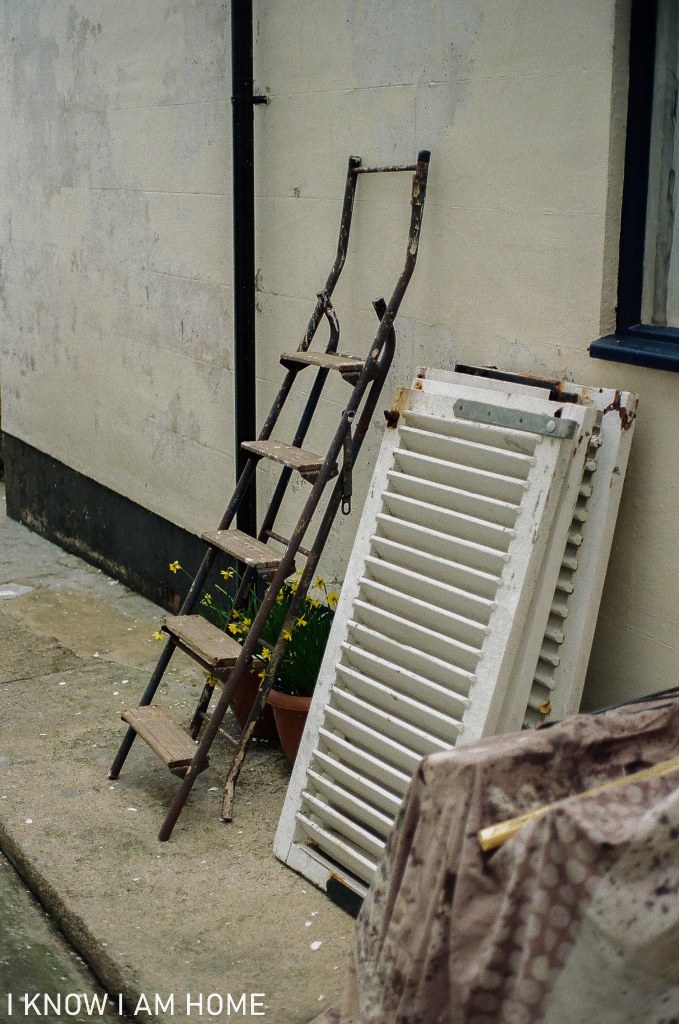
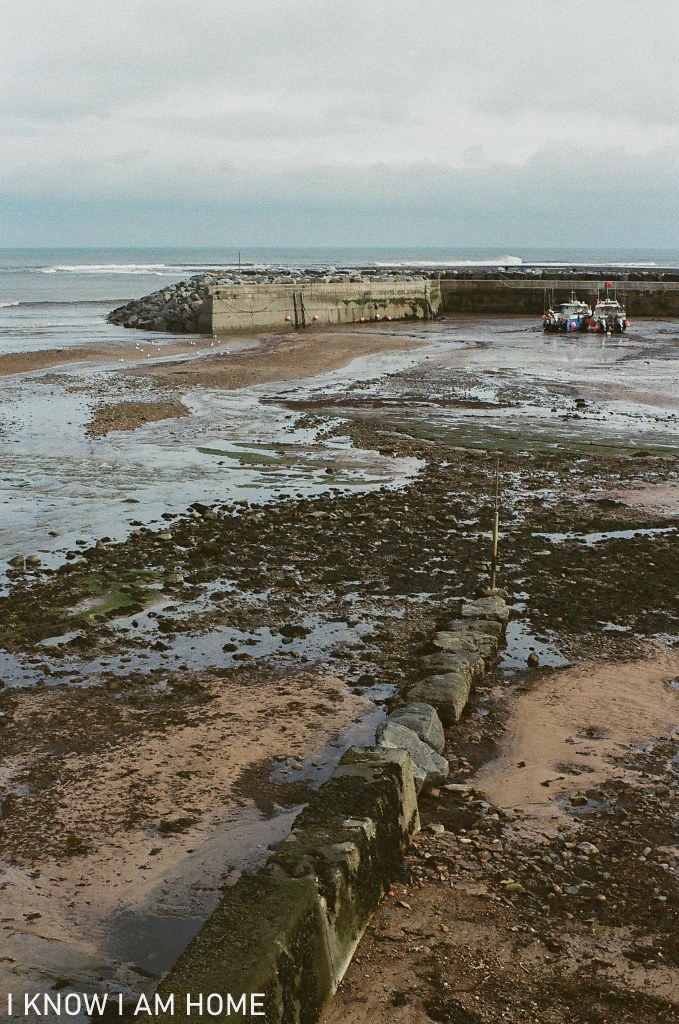
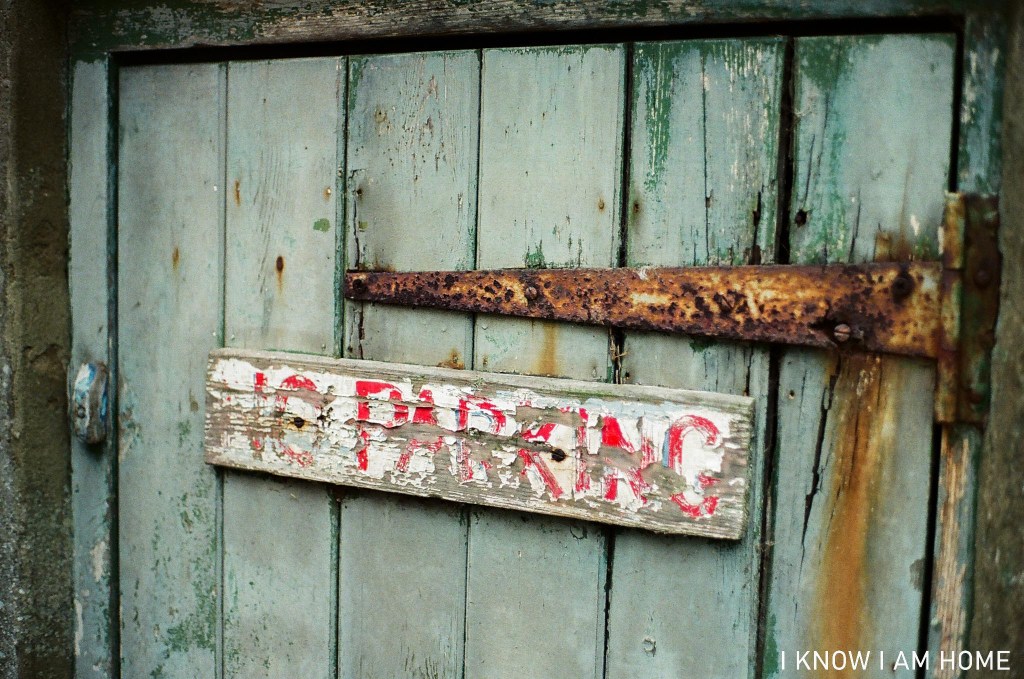
One of the many wonderful things about Staithes is things that may seem unattractive in some places take on a whole new artistic and delightful quality. Purely and simply down to, I think, the nature of the village. Such as this scene taken on film in early 2020, before the lockdown.
Created from the slag produced in the steel making process, the waste at the bottom of the blast furnaces was initially used in order to create land mass in the more boggy areas of a burgeoning industrial Teesside. Then it was removed and used to create walls on the River Tees.
It was then used to form a rudimentary insulating product.
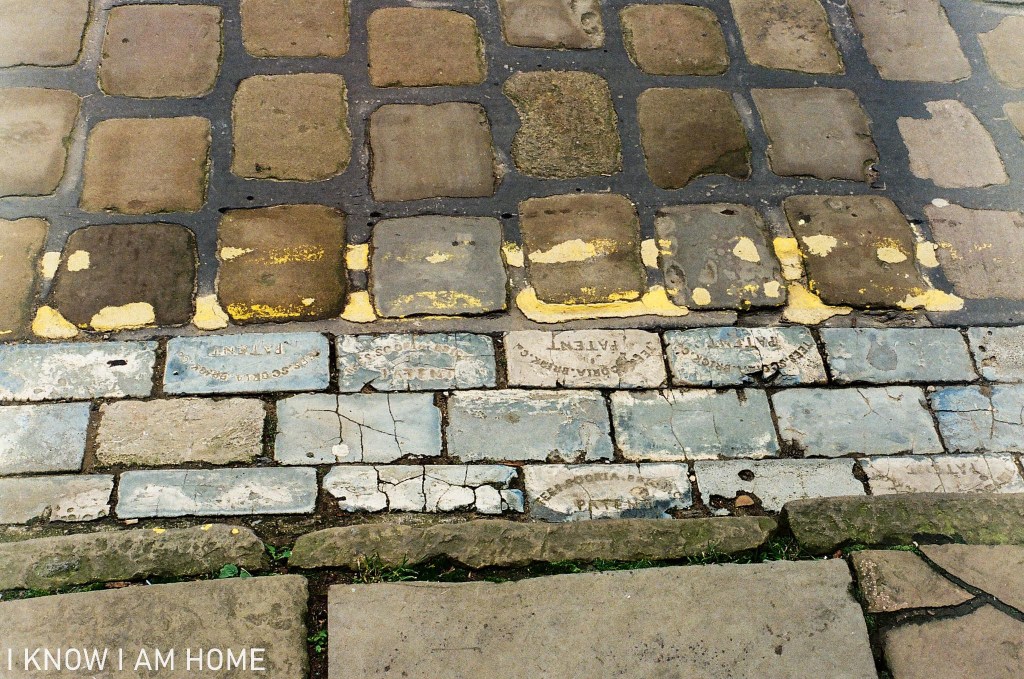
Darlington’s Joseph Woodward in 1872 formed the Tees Scoria Brick Company and was turning the slag into these distinctive shiny grey-blue bricks. They were fired for three days and formed the durable, waterproof and chemical proof bricks which still line many roads in the Tees Valley.
These bricks, from the company are some of the more plain items produced, there were some beautiful ornate designs including double hexagonal designs which locked together.
The company went bankrupt in the 1960’s and was wound up formally in 1972.
This is certainly the most stamped bricks I’ve seen in a “gutter” setting, and they sit opposite the former Post Office in Staithes, now the Kessen Bowl.






 I KNOW I AM HOME