Mandale Brickworks, Thornaby

I’ve spent some time now looking around and researching what used to be a brickworks between Acklam Road and the Old River Tees in Thornaby. The brickworks was owned and managed by Henry Alcock, listed in an 1890 directory as a brick and tile maker of Bon Lea Terrace.

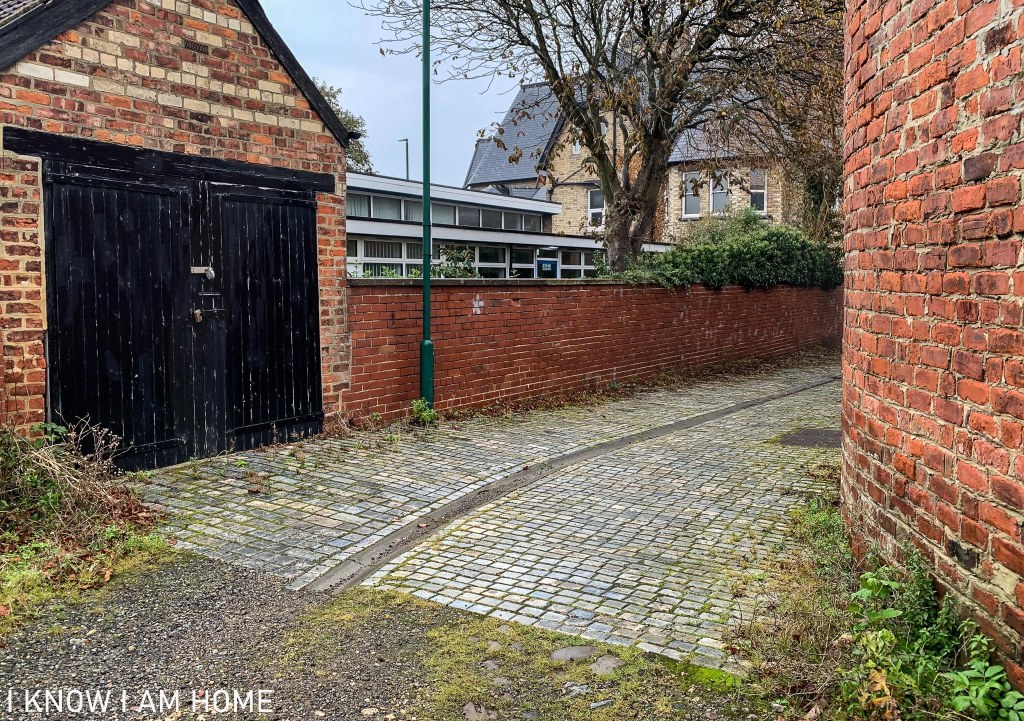
Now part of the grounds of Thornaby FC the brickworks would have occupied a site to the right of this image…

The area became part of the Head Wrightson sports ground, with tennis and football fields on the higher ground adjacent to the cemetery, and what was to become Thornaby Football Club’s stadium occupying land to the east of the brickworks site.

Looking at old OS maps (one of which reproduced below) it is assumed that the narrow gauge railway line must’ve travelled by some sort of gantry to an unloading point, that is unless the land to the right has been “built up” subsequently. This would place the unloading point be roughly at a point in the southern corner of the westerly extremity of the current football ground.
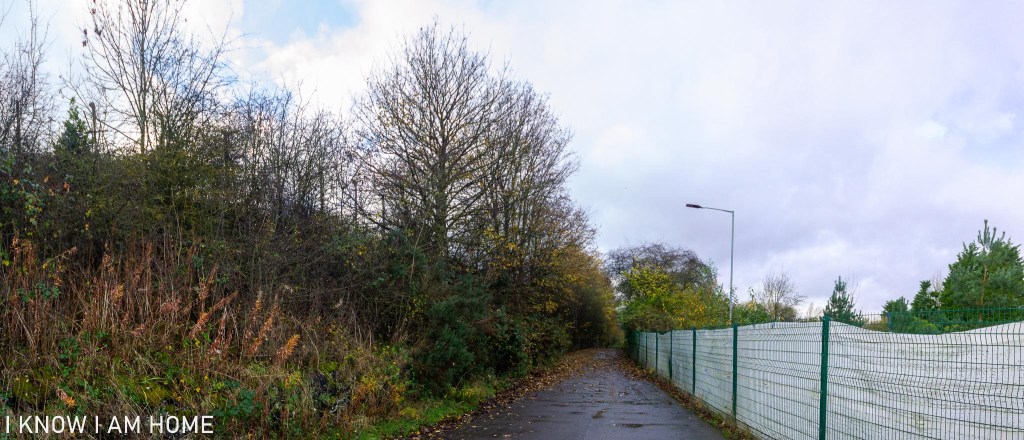
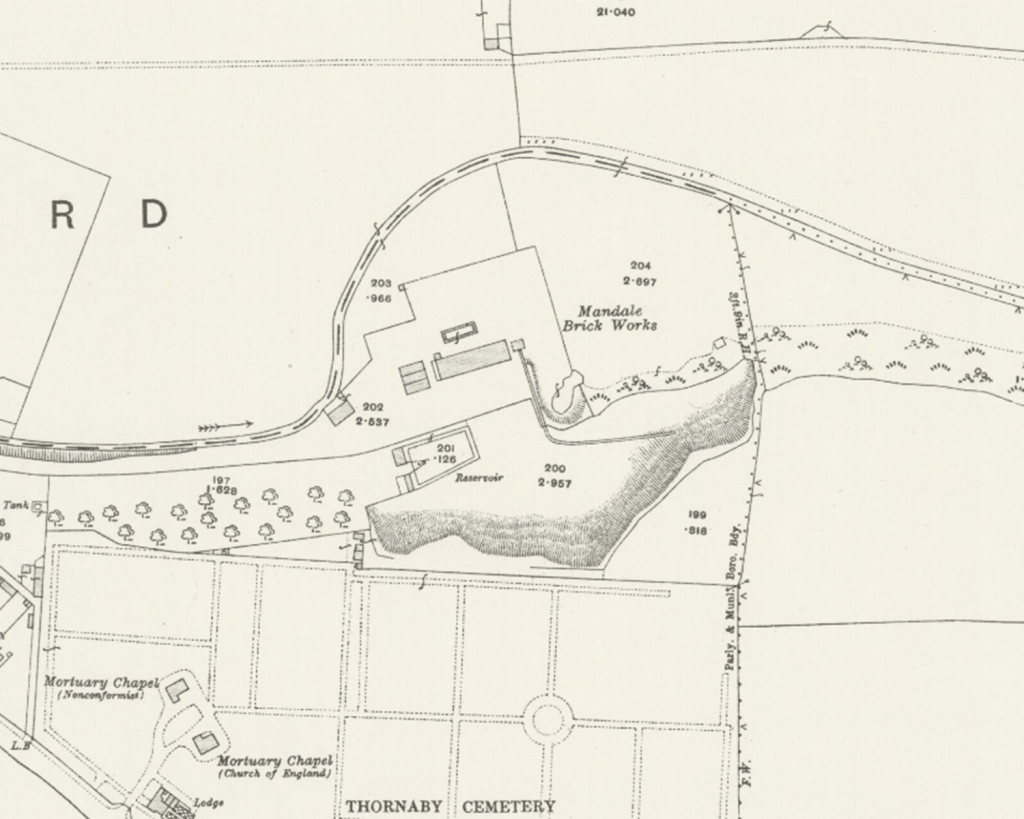
Assuming there was still the difference in height of land here the line may have passed over a gantry or incline roughly where the lamp post is on the right.
Reproduced with the permission of the National Library of Scotland, under the Creative Commons Attribution-NonCommercial-ShareAlike 4.0 International (CC-BY-NC-SA) licence

From there clay would have been unloaded and taken into the “factory building” to be processed and to the west of this factory building there would be what looks to be three single chambered kilns… Though there may also be a “Newcastle Kiln” on the map here behind the larger building.
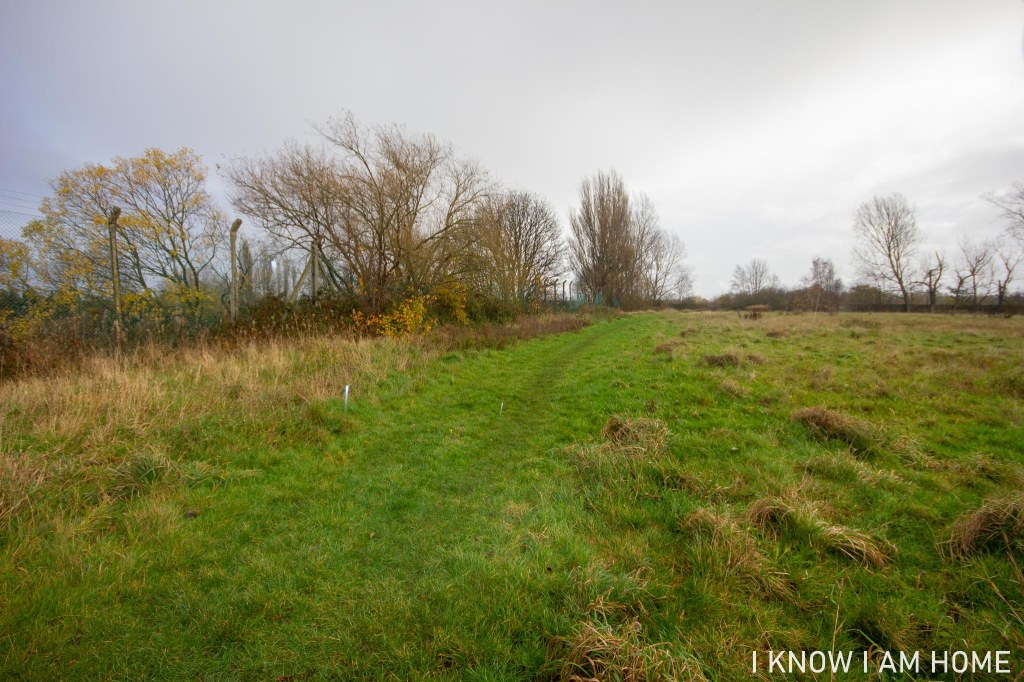
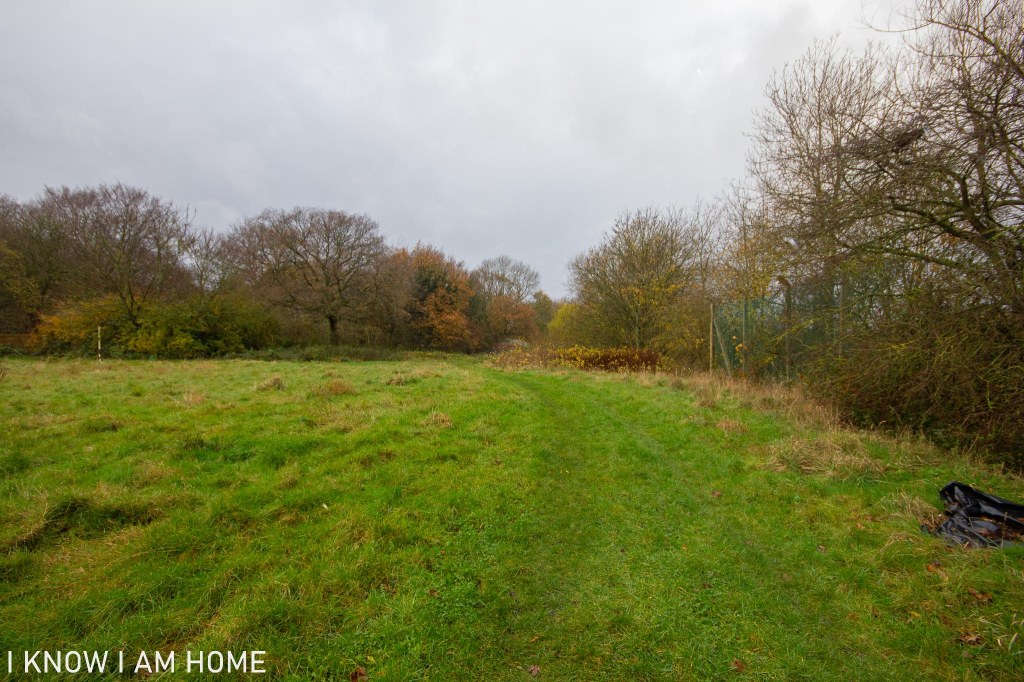
The site of the former clay pit for the brickworks
Looking back towards the site of a reservoir

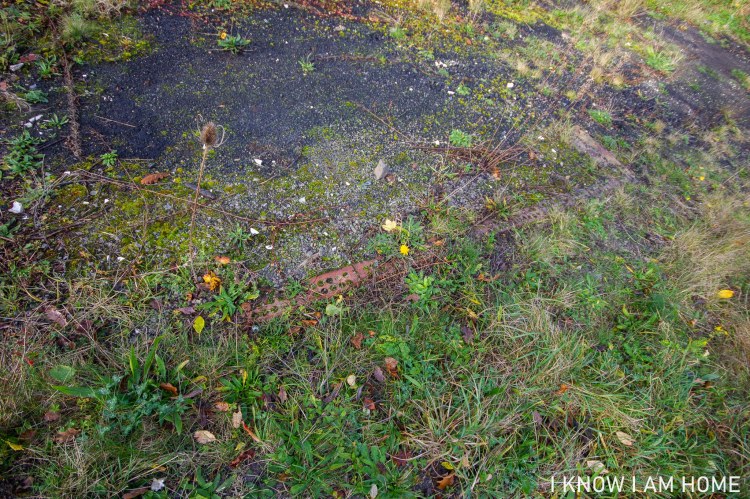
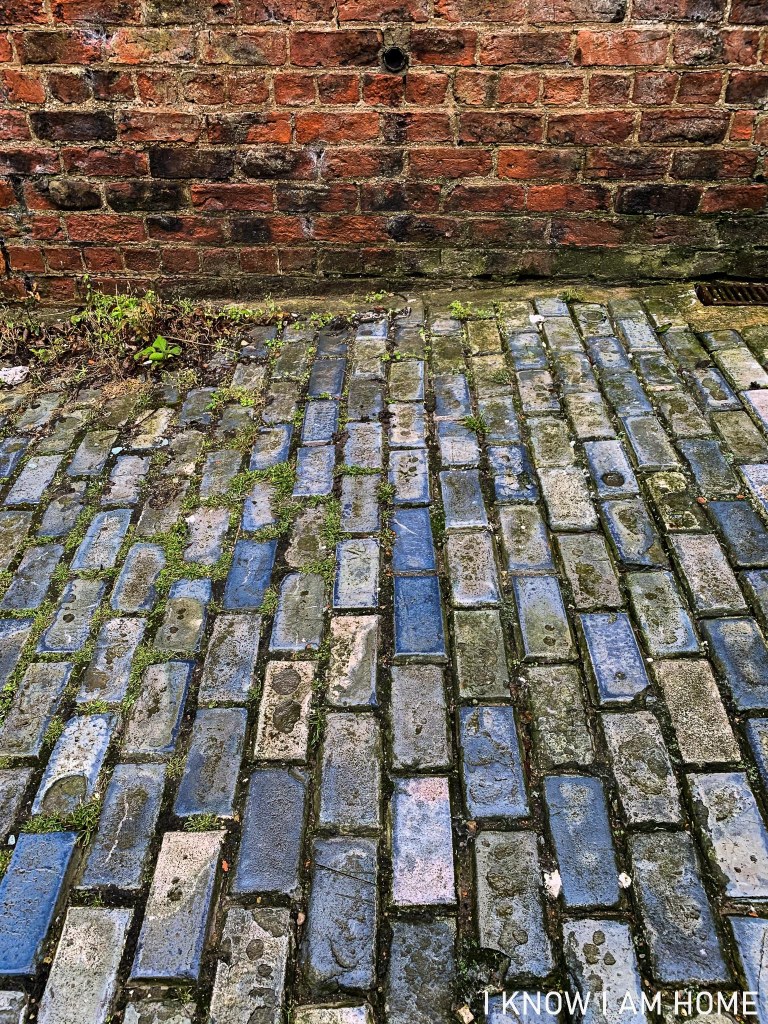
I’ve found a few things when looking about here. One of such is that there doesn’t appear to be any remains, however. I have found some bricks here (pictured) which COULD be from the brickworks buildings. However there were other buildings on this site and I am completely unsure what time period or constructions on the site these bricks relate to. Also pictured is a brick column (potentially from some sort of gantry) in the undergrowth…

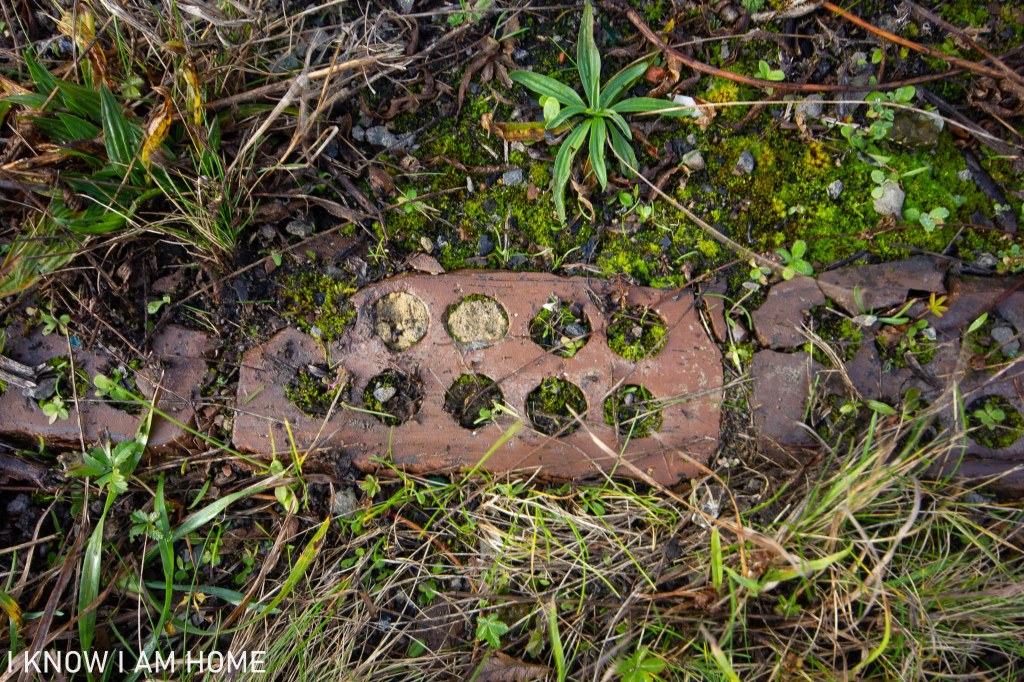
The pictured bricks remaining in situ are in a location which could tie in equally to a sporting pavilion or to the brick works.
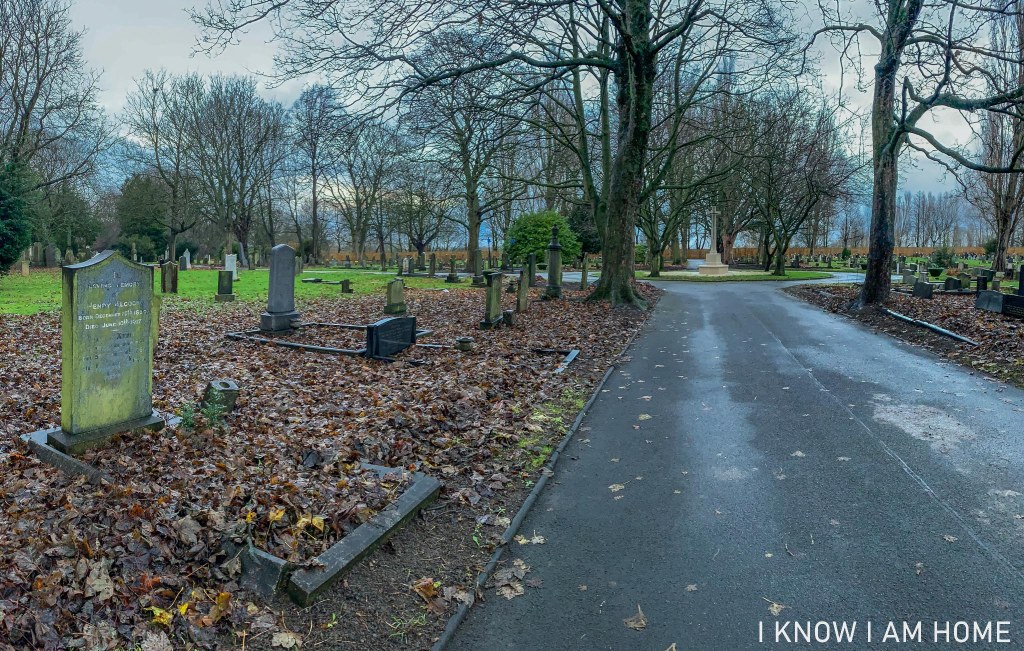
Incidentally Henry and his wife Ann are interred nearby in Thornaby Cemetery, Henry rests a very short distance from the brickworks and associated clay pit which were behind the wooden fence beyond the cross of sacrifice.

So nothing concrete in terms of remains of a brickworks but I do hope you find this one interesting nonetheless!
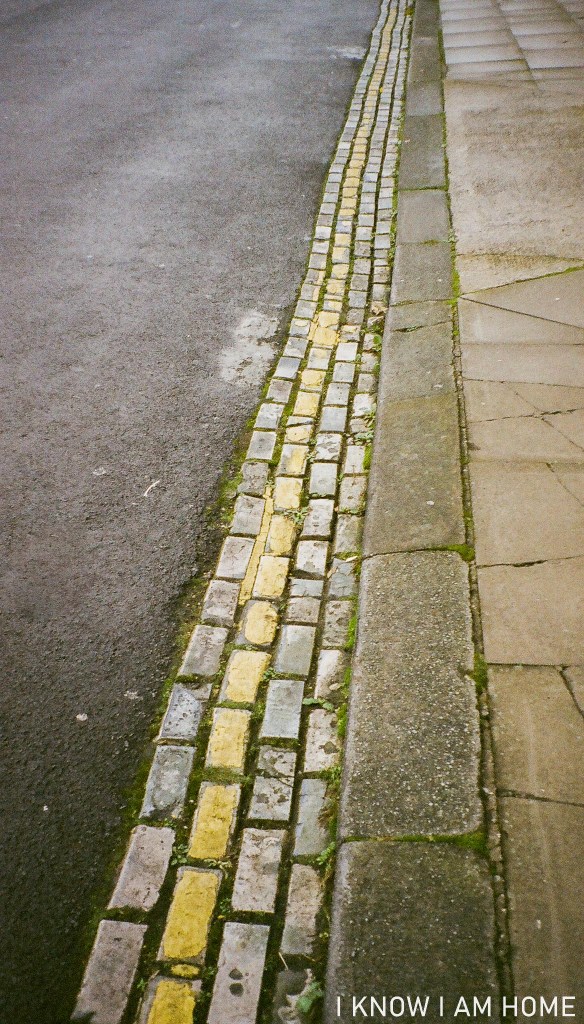
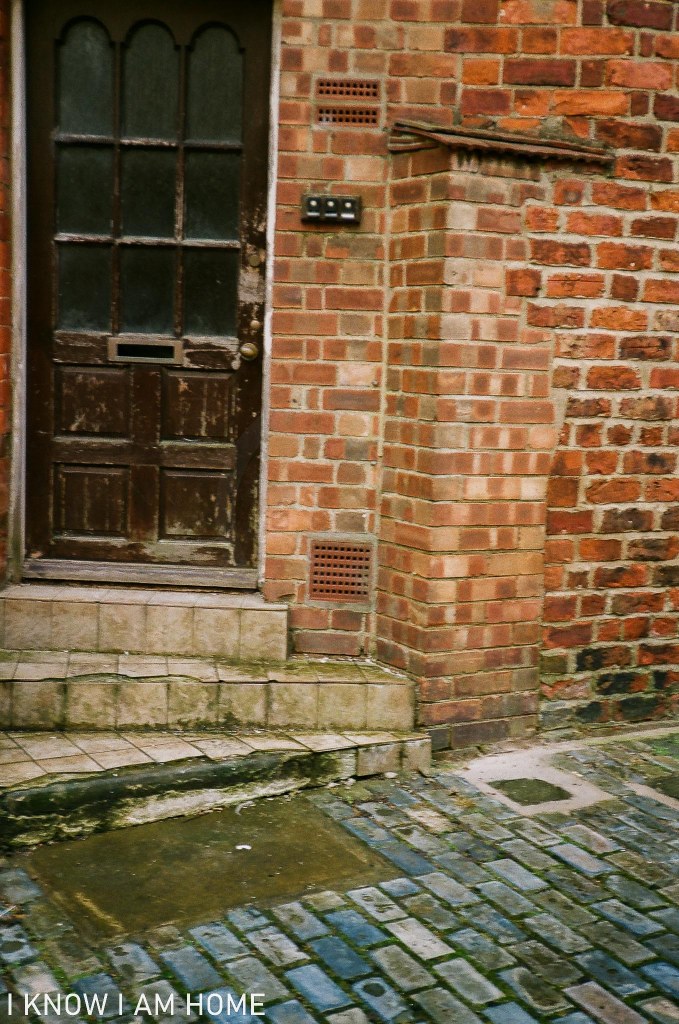
No waiting…

Some more scoria brick on bath street, lining the gutter with the addition of a single yellow line…

Taken using a Minolta Vectis 20, which uses the now obsolete APS format film.

Yellow, Blue-Grey Gutters
Saltburn (31/10/2020)
Minolta Vectis 20
Boots ISO 200 APS film (Expired)

More-a Scoria…

Some more images of Scoria Brick around Saltburn. These taken on film. 18th October 2020.

Slippery blue
Saltburn by the Sea (18/10/2020)
Minolta AF-DL
Fuji Fujicolor C200
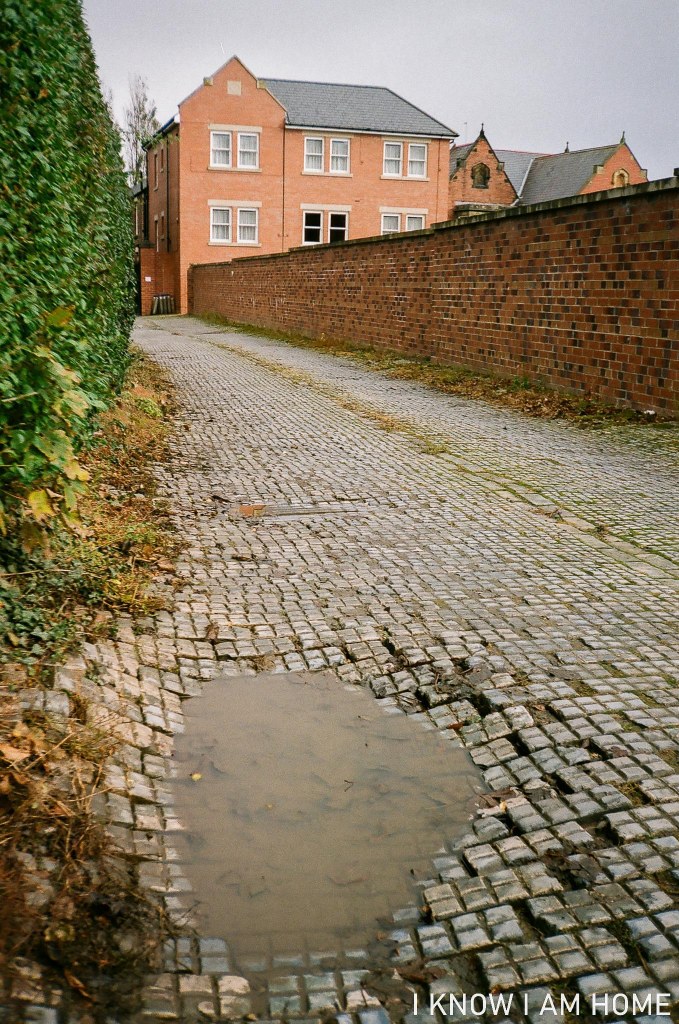
Sinking feeling
Saltburn by the Sea (18/10/2020)
Minolta AF-DL
Fuji Fujicolor C200
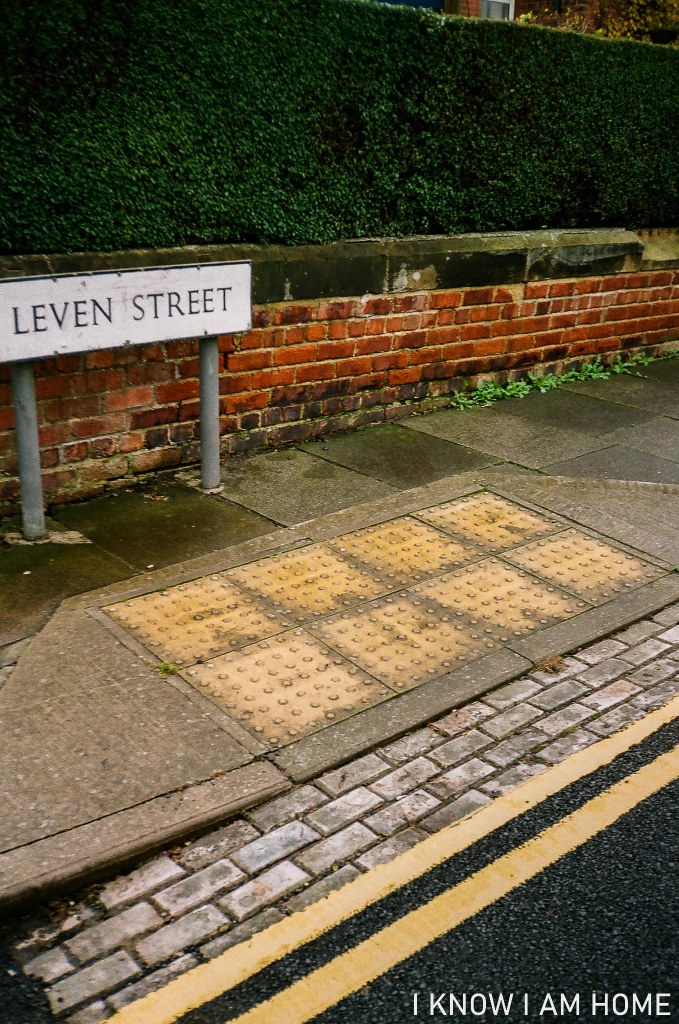
Even Levens
Saltburn by the Sea (18/10/2020)
Minolta AF-DL
Fuji Fujicolor C200
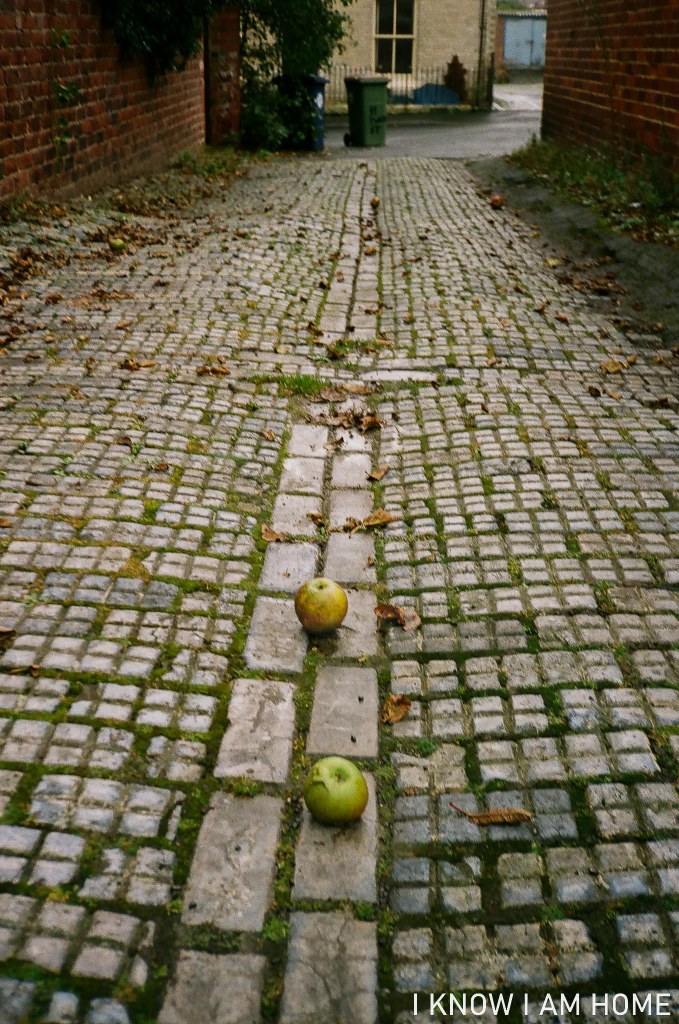
Apples
Saltburn by the Sea (18/10/2020)
Minolta AF-DL
Fuji Fujicolor C200
Central
Saltburn by the Sea (18/10/2020)
Minolta AF-DL
Fuji Fujicolor C200
Some other bricks and a wall
Saltburn by the Sea (18/10/2020)
Minolta AF-DL
Fuji Fujicolor C200
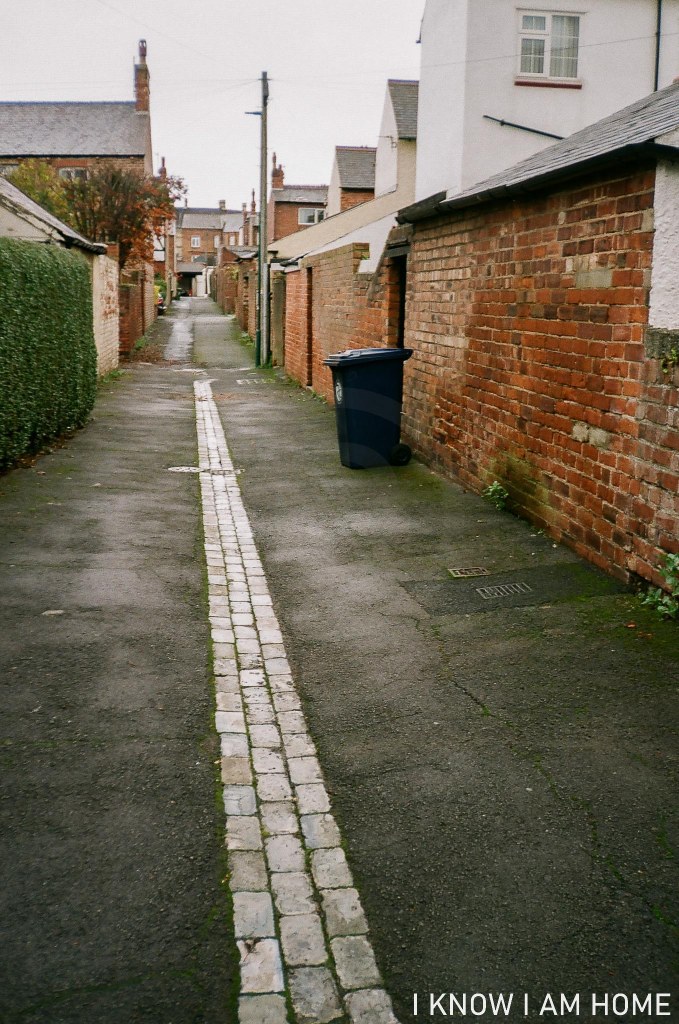
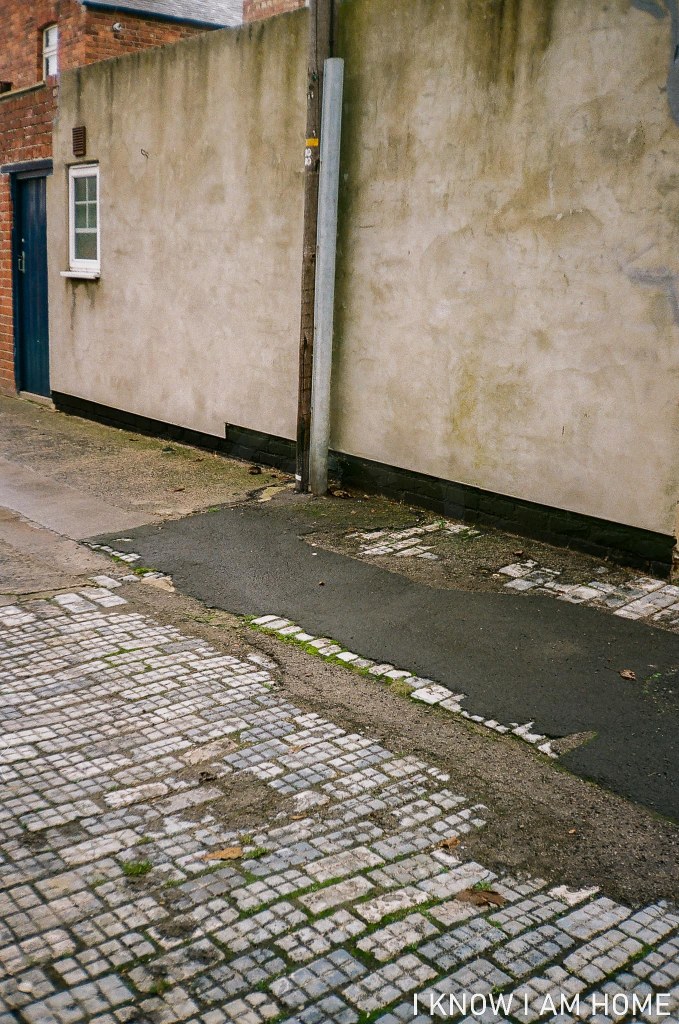
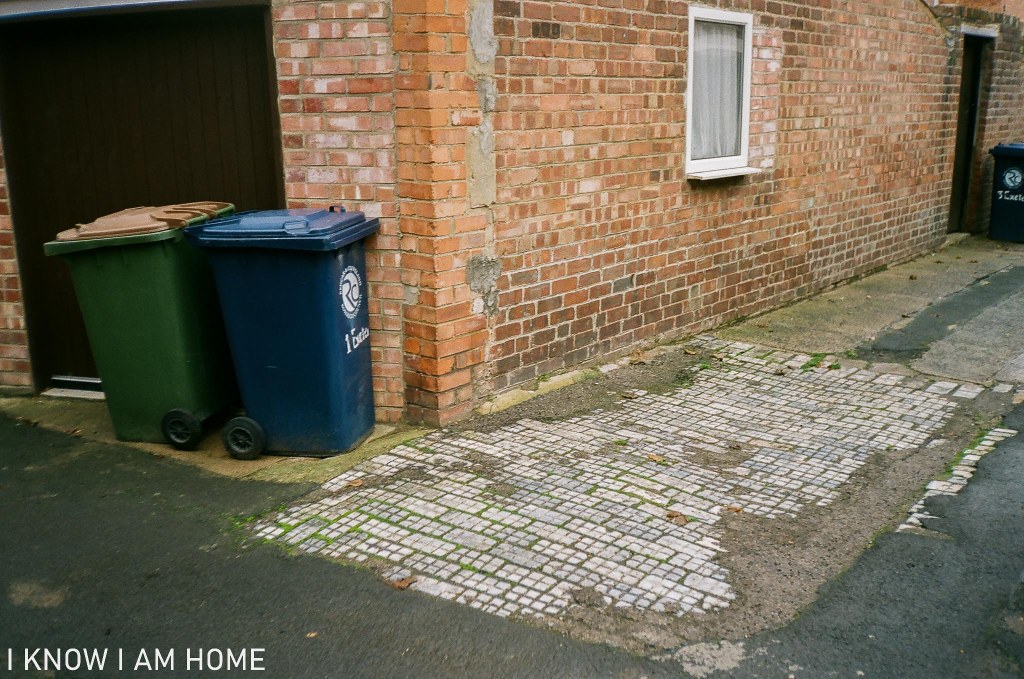
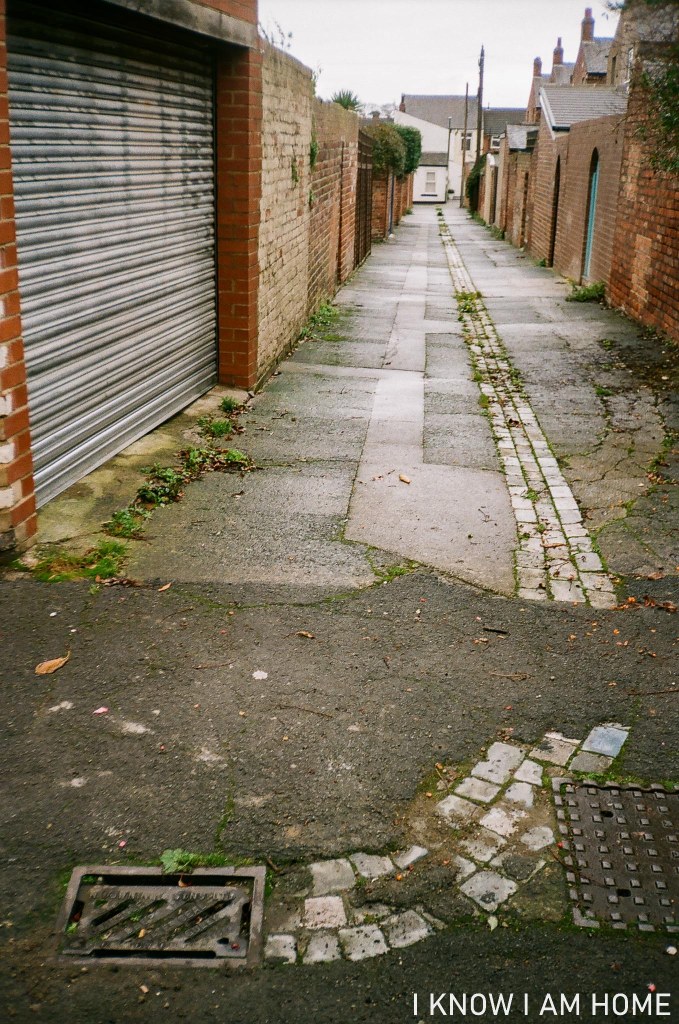
Exeter Backs
Saltburn by the Sea (18/10/2020)
Minolta AF-DL
Fuji Fujicolor C200

Bonus Post – Saltburn Scoria Brick No.8

So I couldn’t ever cover all of the examples in just a post a day.

I’ve also had another walk about and found (thanks to some who’ve commented on my posts when shared on social media) some more alleyways of bricks.

Montrose Street

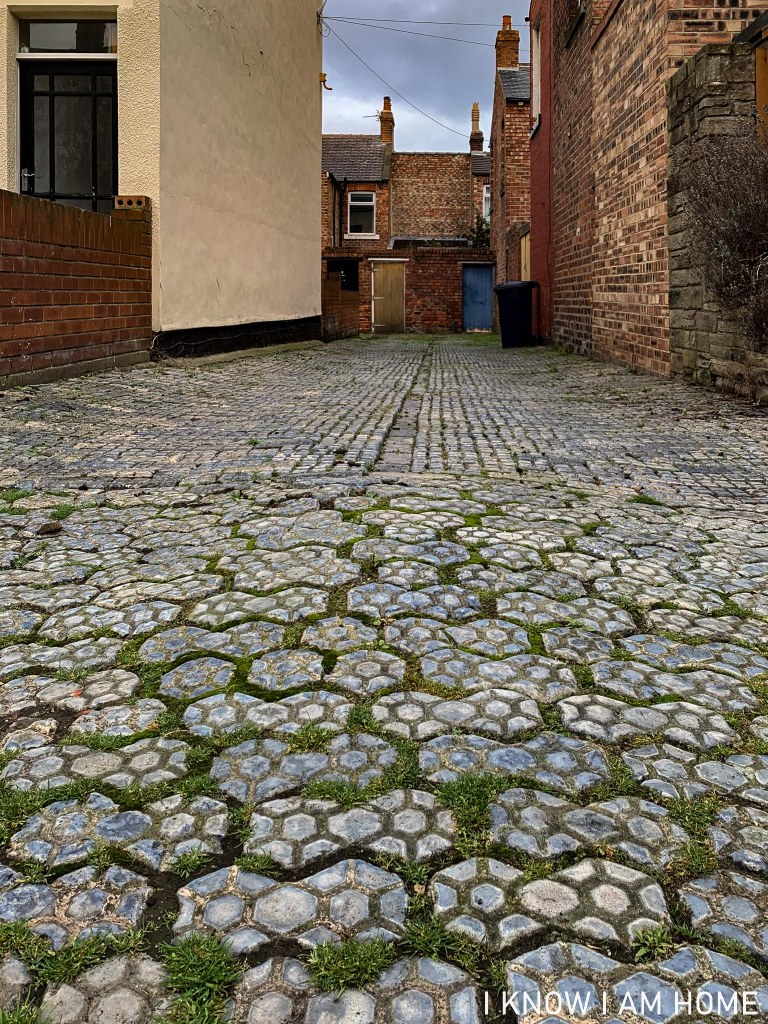
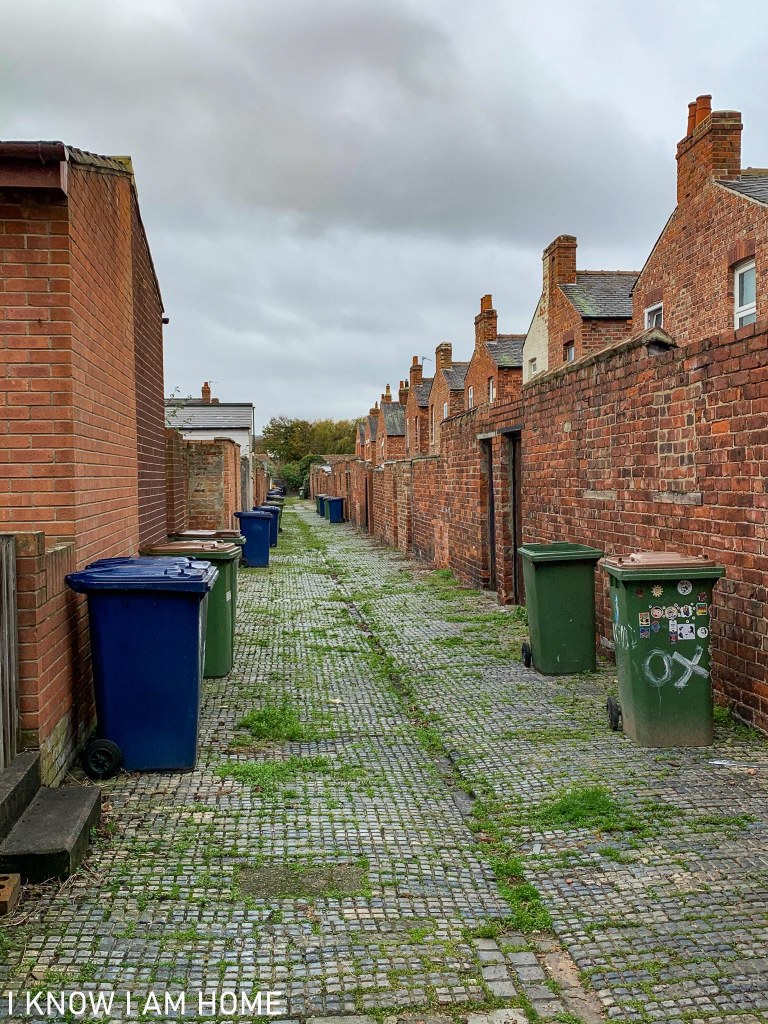
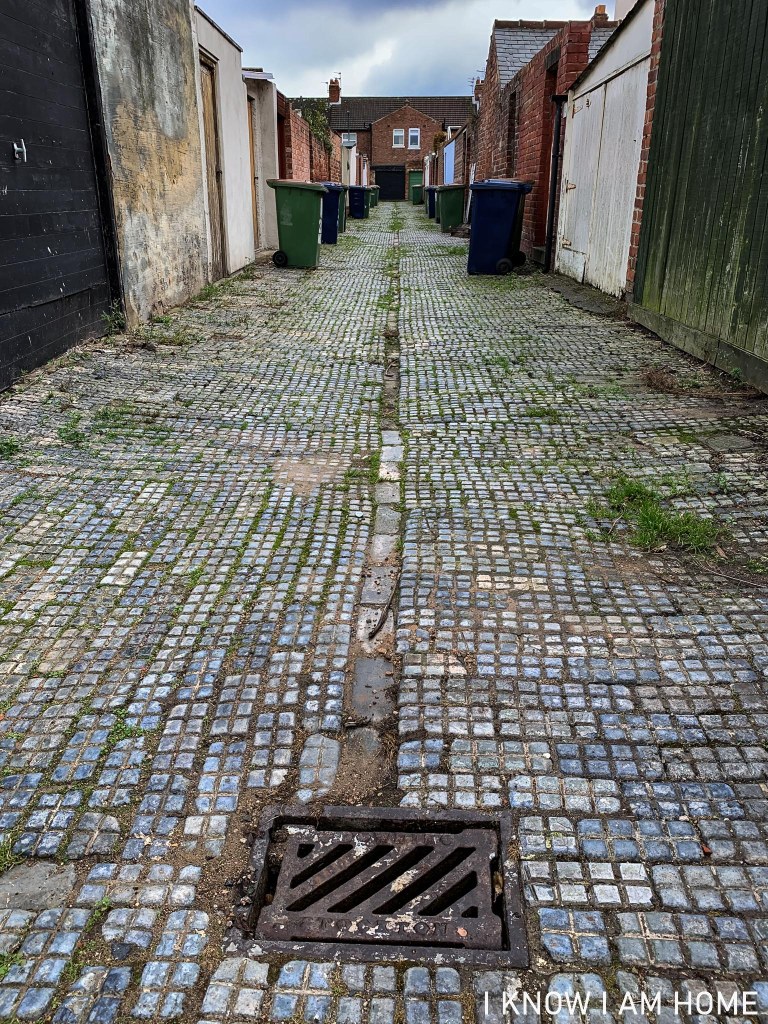
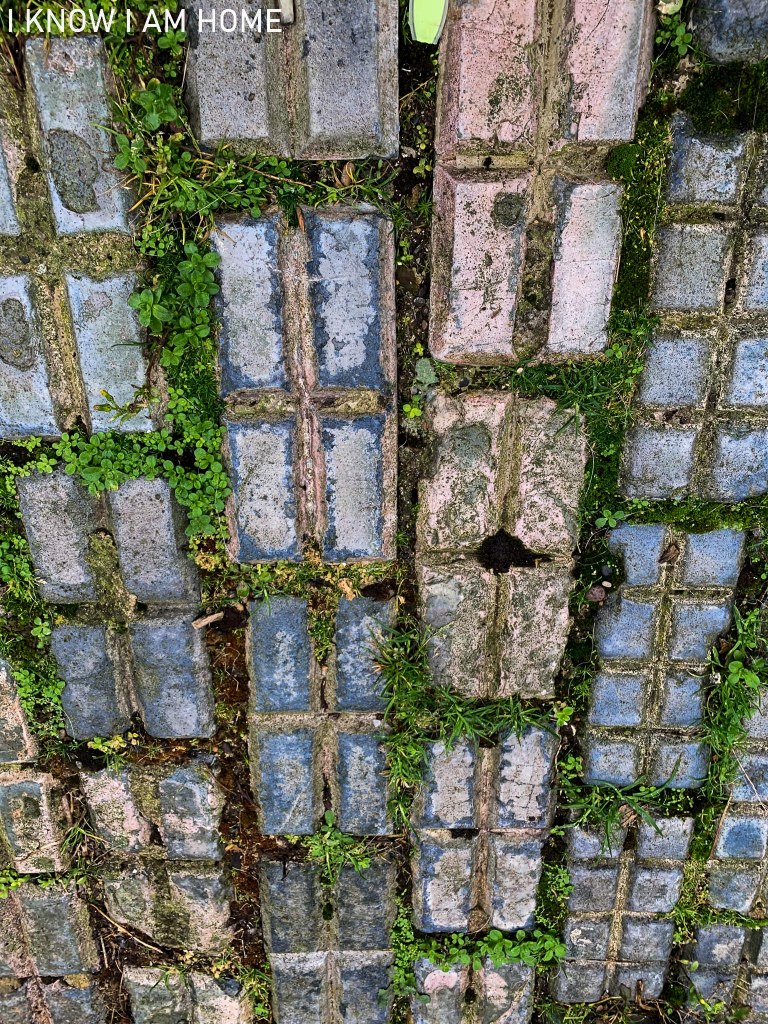
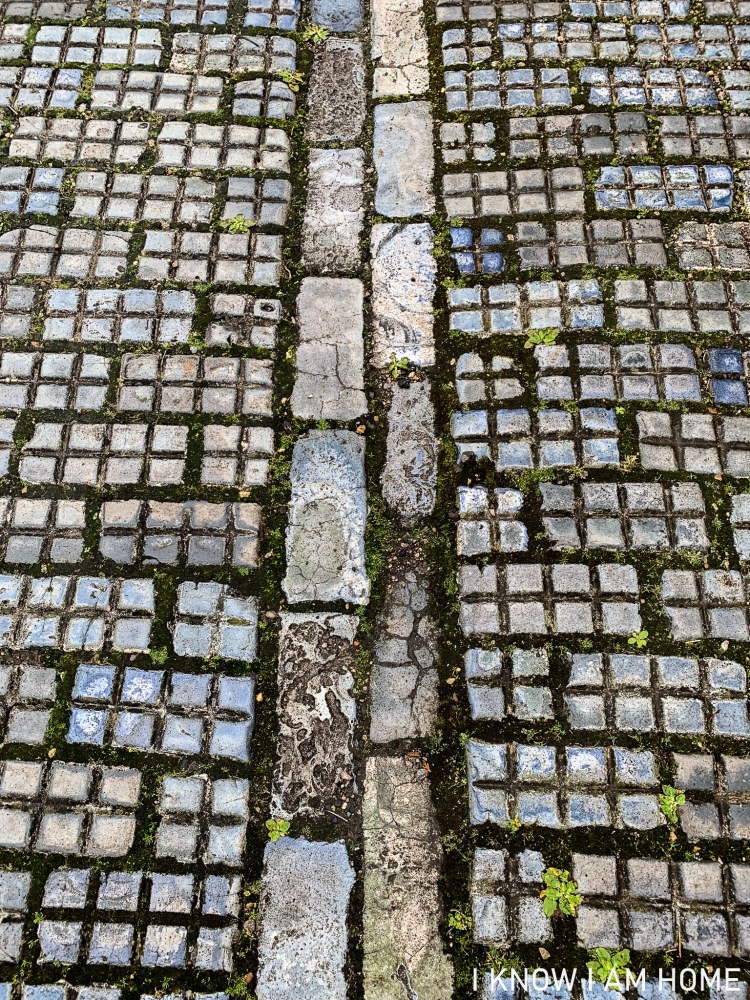
Around the Montrose Street area the back lane between the terraced houses of Oxford and Montrose Street has an abundance of bricks, with the entrance paved in the double hexagonal pavers, and mainly eight division pavers, with a central gutter line of plain pavers.

Interloping plain pavers midway amongst the eight division blocks

The paving here is quite complete.

Between Oxford and Montrose

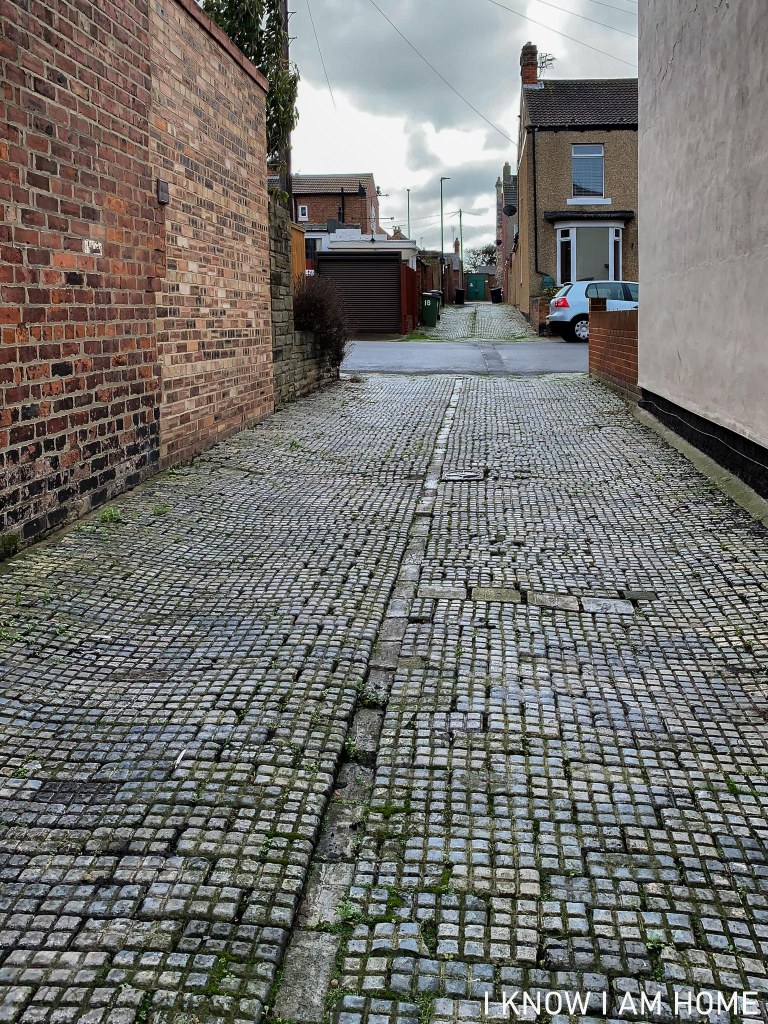
As said, this remarkably complete (albeit with a few sections patched) section of bricks last until the last through passageway with Oxford Street.

The intersection

At this connecting passageway, not only does the direction of the scoria brick change but following the intersecting passage the bricks become a more conventional brown, with an unsightly section of tarmac patching.

Between Montrose and Randolph

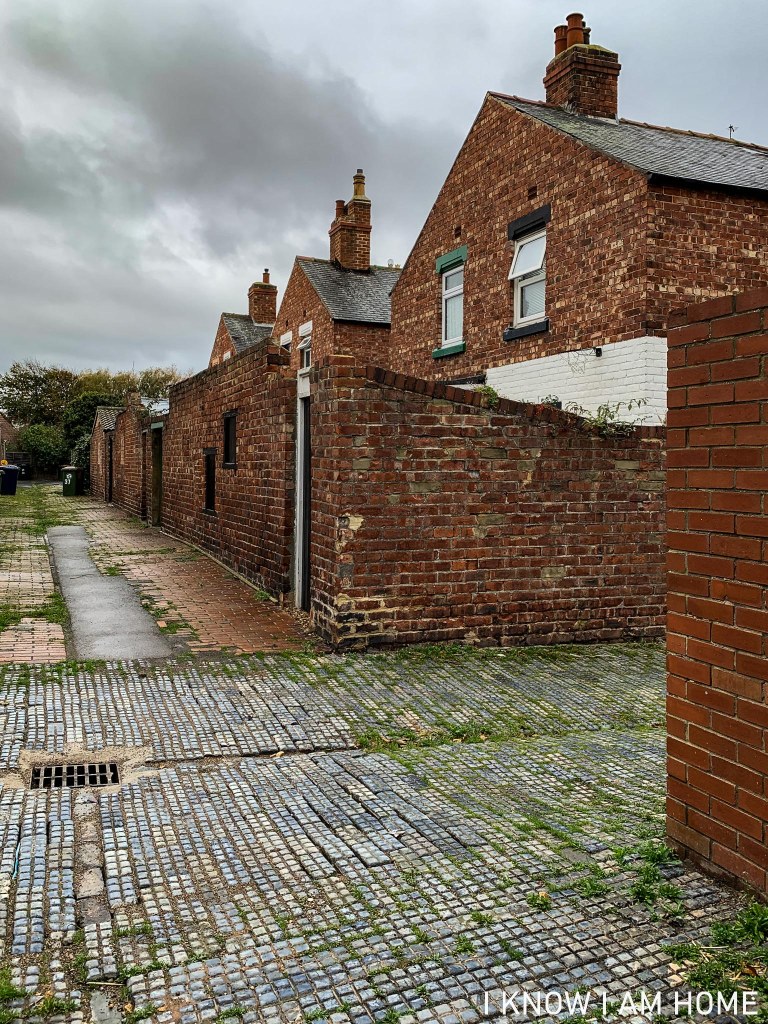
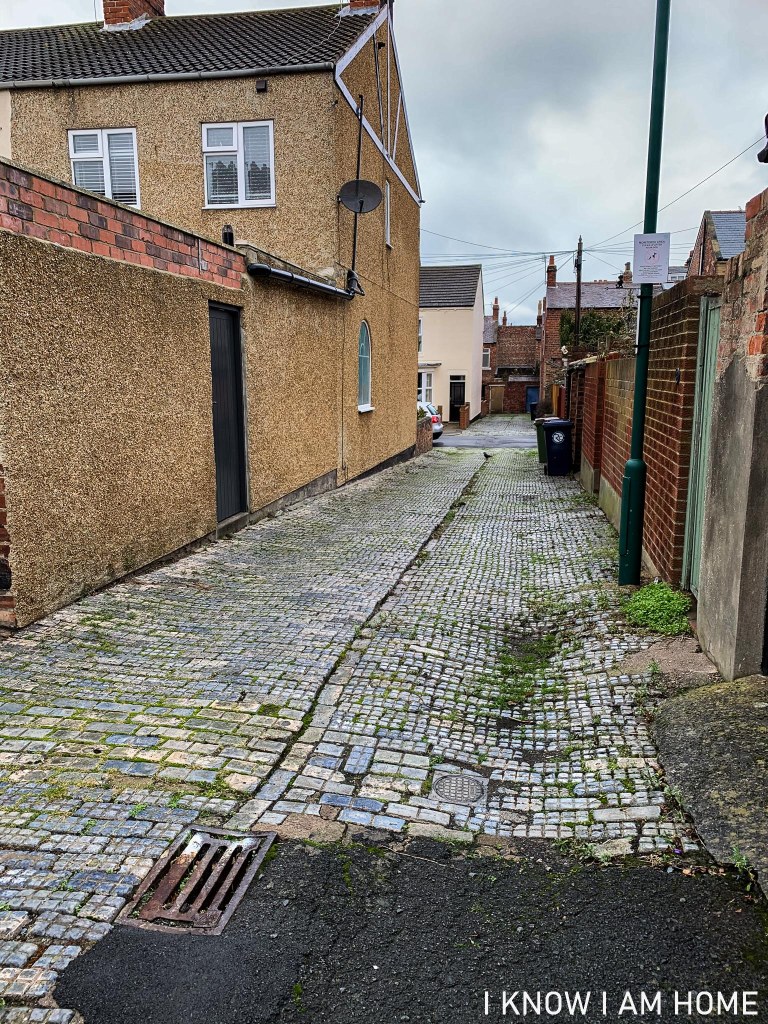
If you walk from this intersection, crossing Montrose Street and following the trail of these blue grey bricks, you reach the ‘crossroads’ of the back lane between Montrose Street and Randolph Street, again paved with the almost ubiquitous in Saltburn eight division pavers – there was a surprise halfway along here. Of note the other feature of the street in this image, the iron drain cover, was cast in Stockton…

Four divisions…

A type of paver I’ve only found here in Saltburn, these four division pavers are found in the middle of the Montrose Street and Randolph Street back lane.

Looking back…

Before turning to your left to walk toward Randolph Street you can look back toward Montrose Street and find an attractive vista with sagging pavers of the plain, single divide and eight division variety.

Obscure

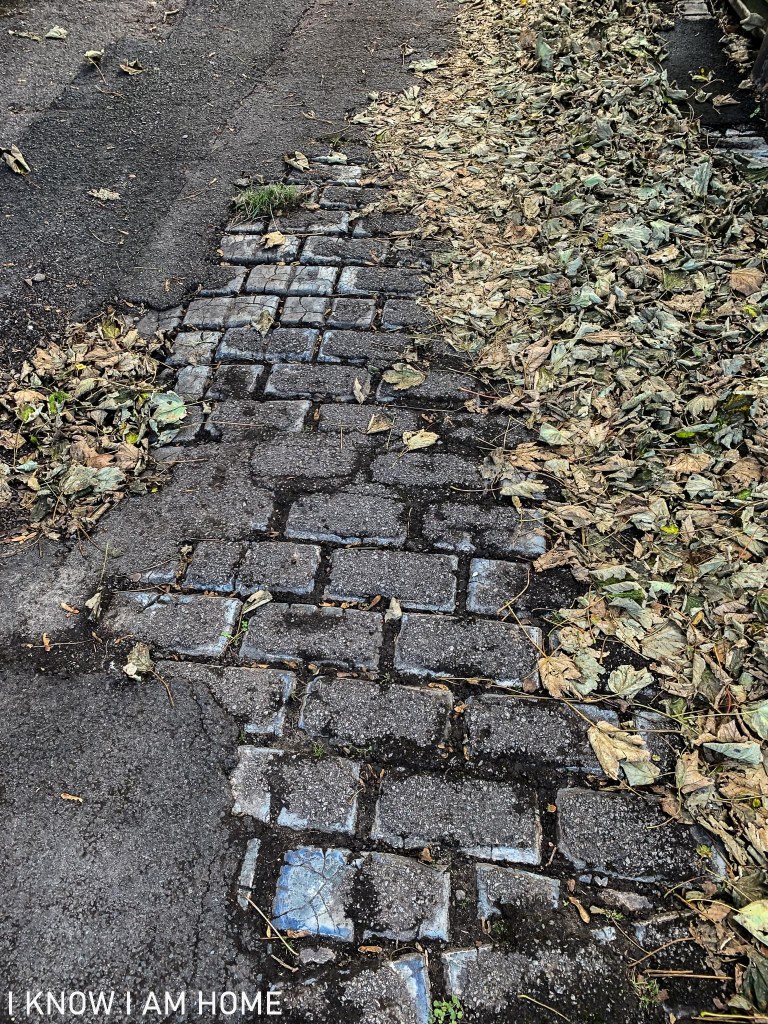
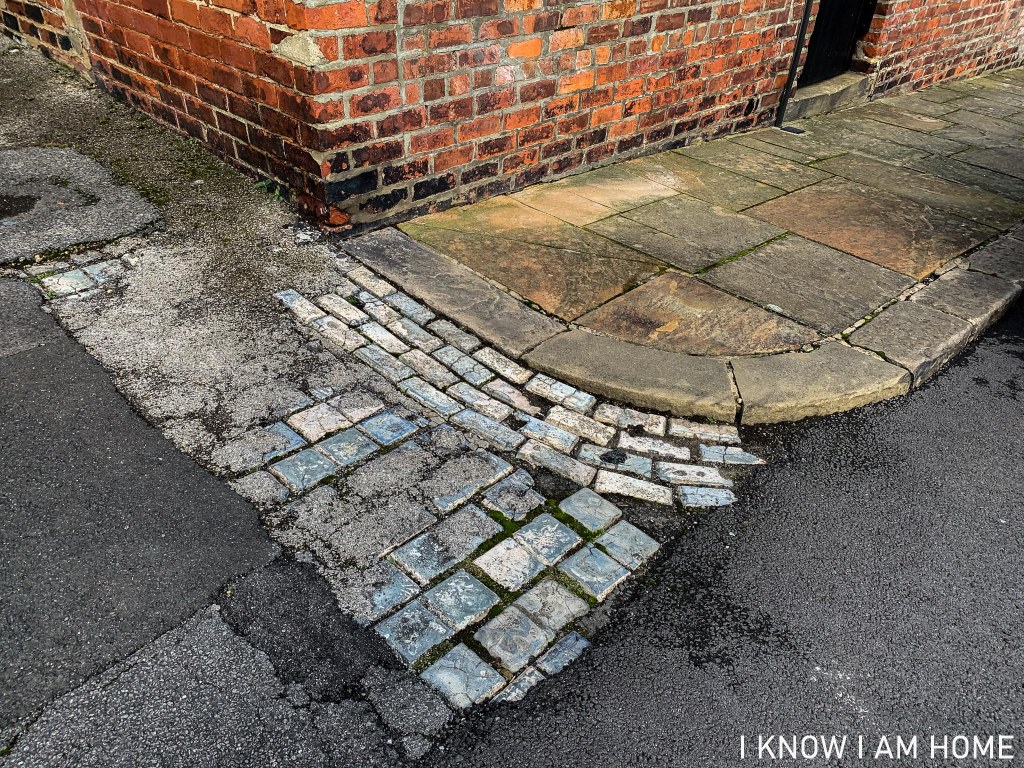
Between Lune Street and Avon Street there are examples of single divide sets which have been paved over with tarmac.

Obscured

This obviously was an attempt of the past to provide a smoother surface underfoot / wheel. However now, in a heritage conservation area the powers that be are starting to notice the damage that has been done.

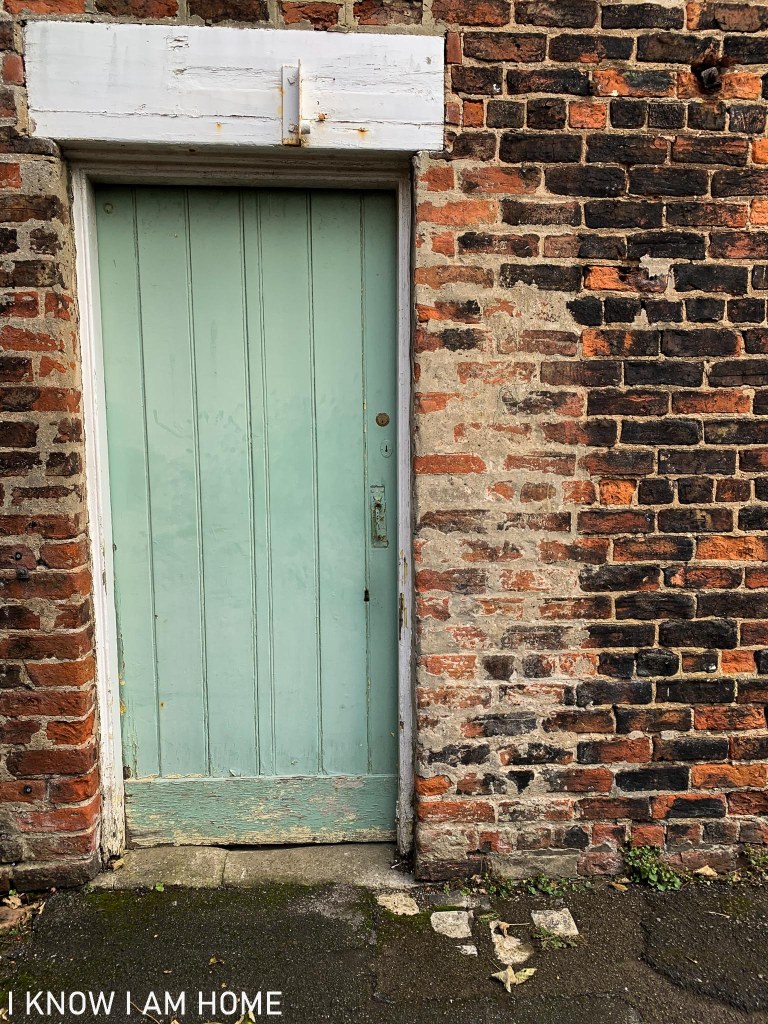
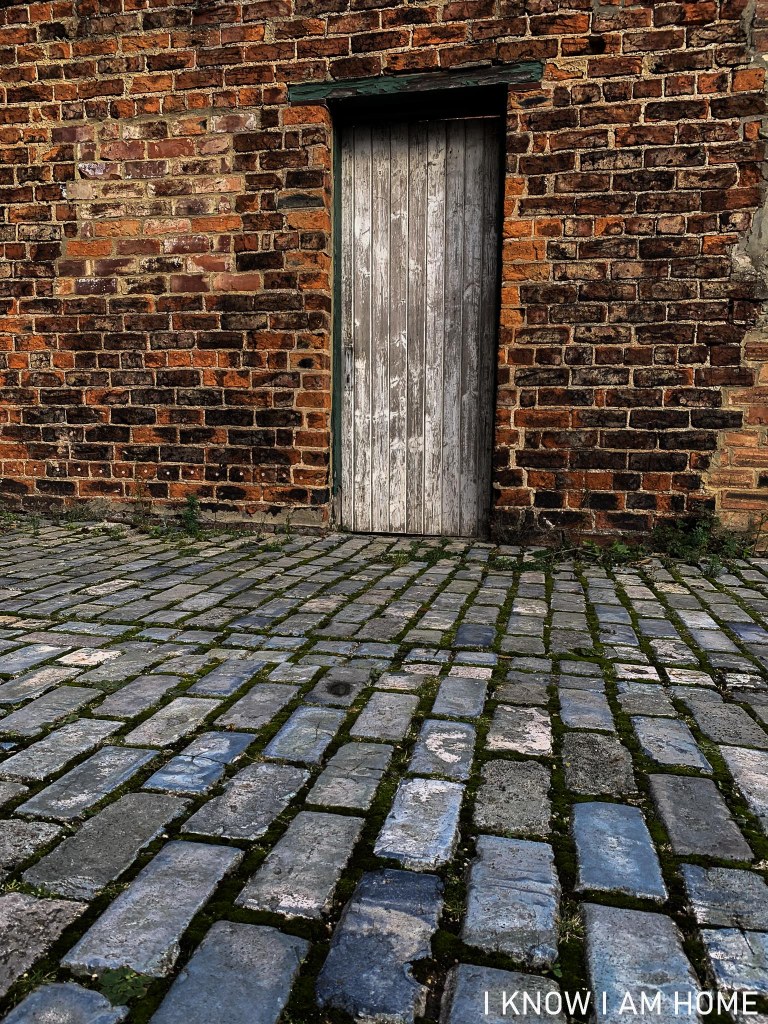
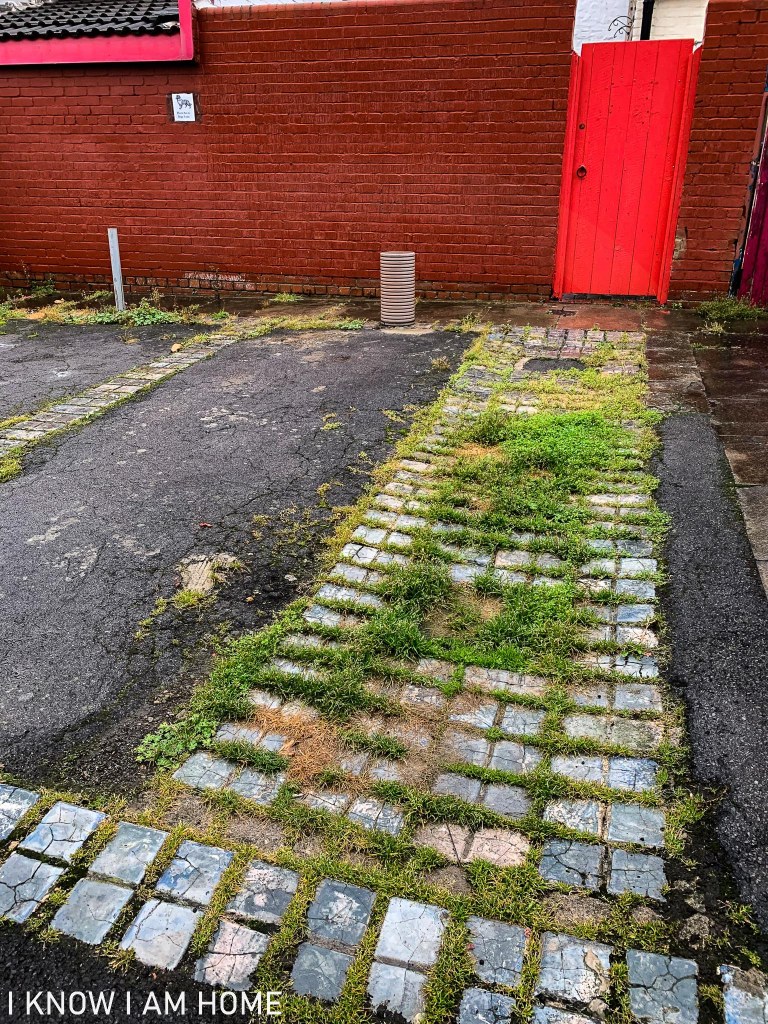
Beside the Green Door

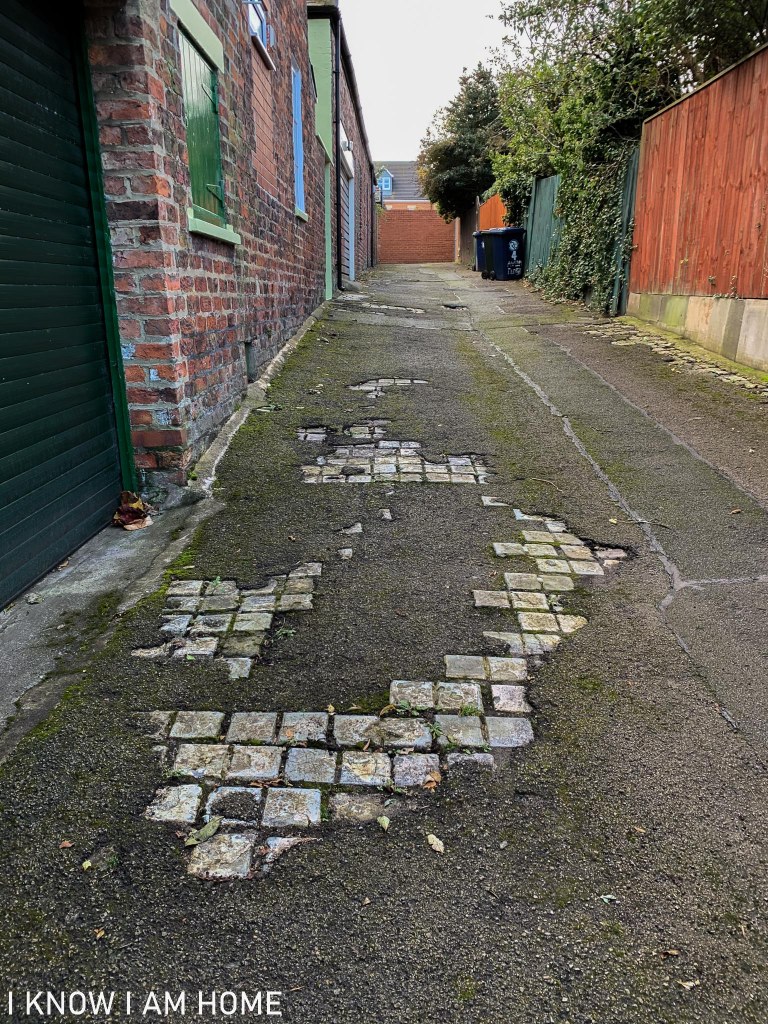
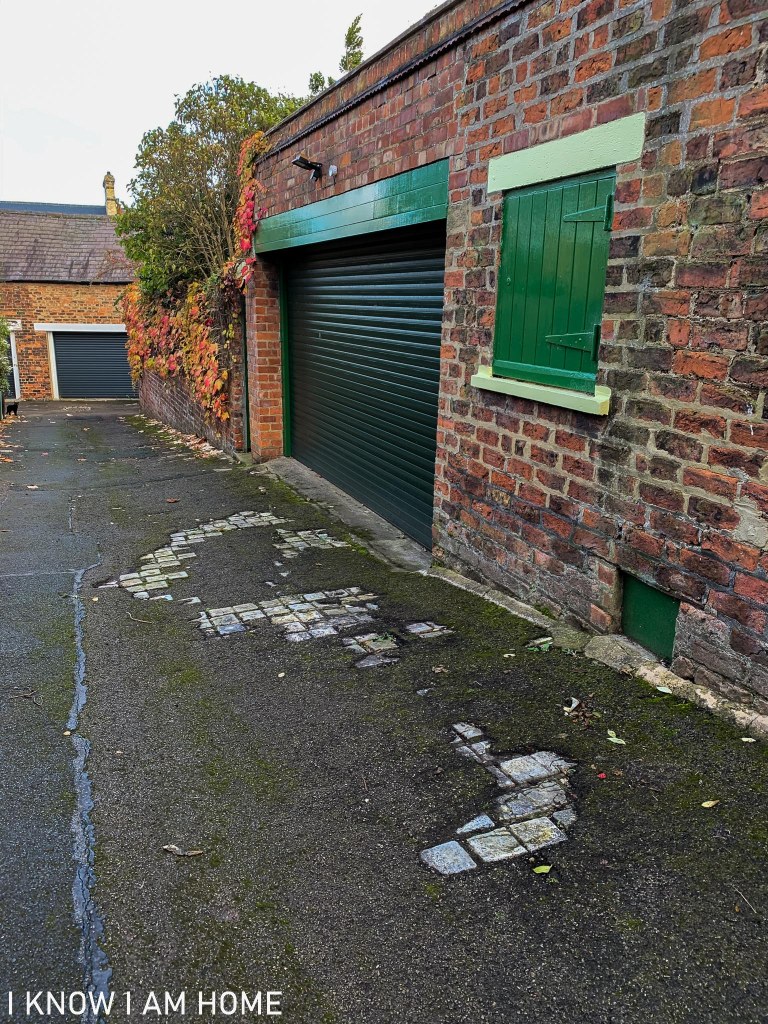
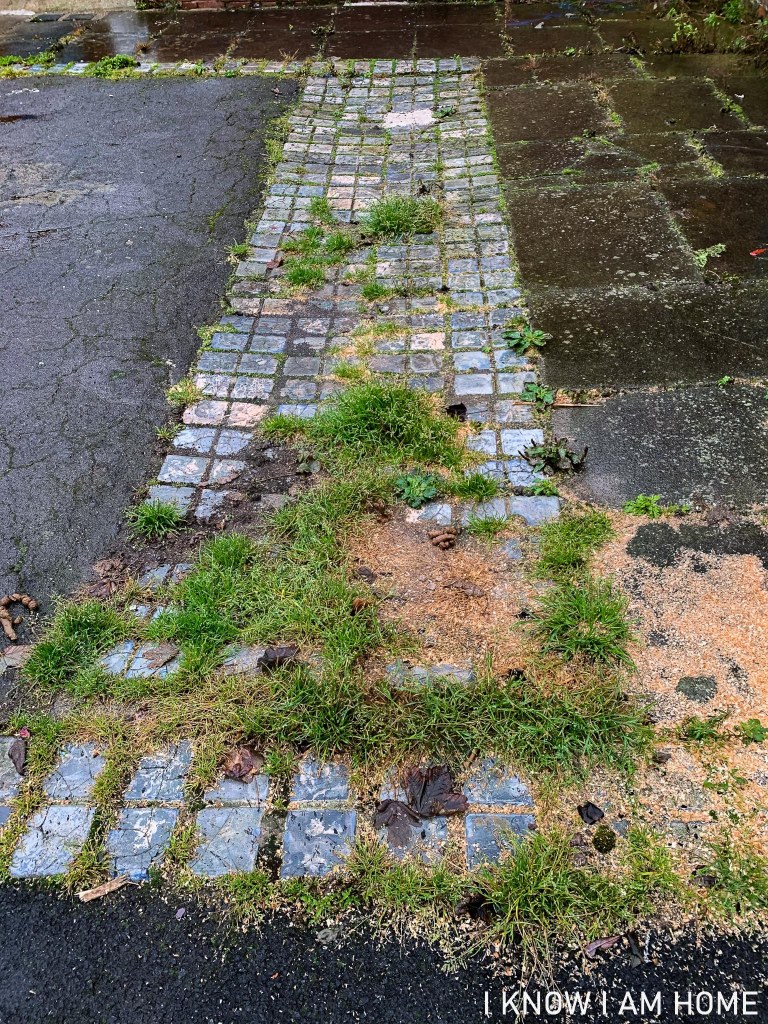
Moving further between Avon Street and Greta Street there’s further evidence of the covering of the scoria setts.

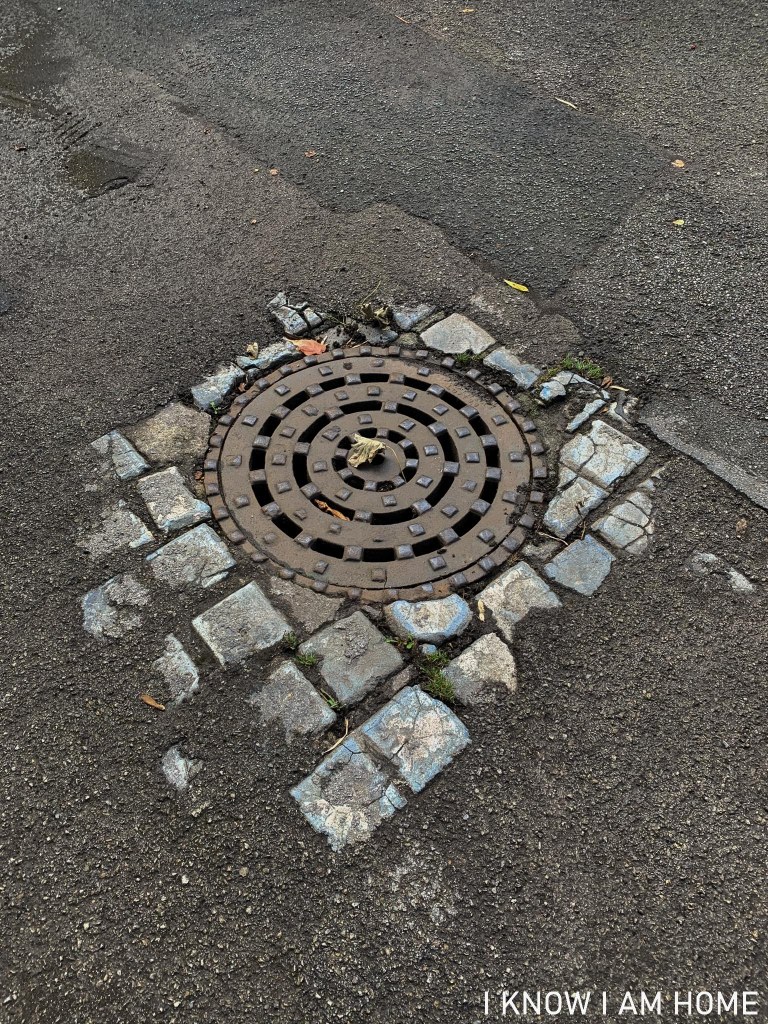
Down the drain

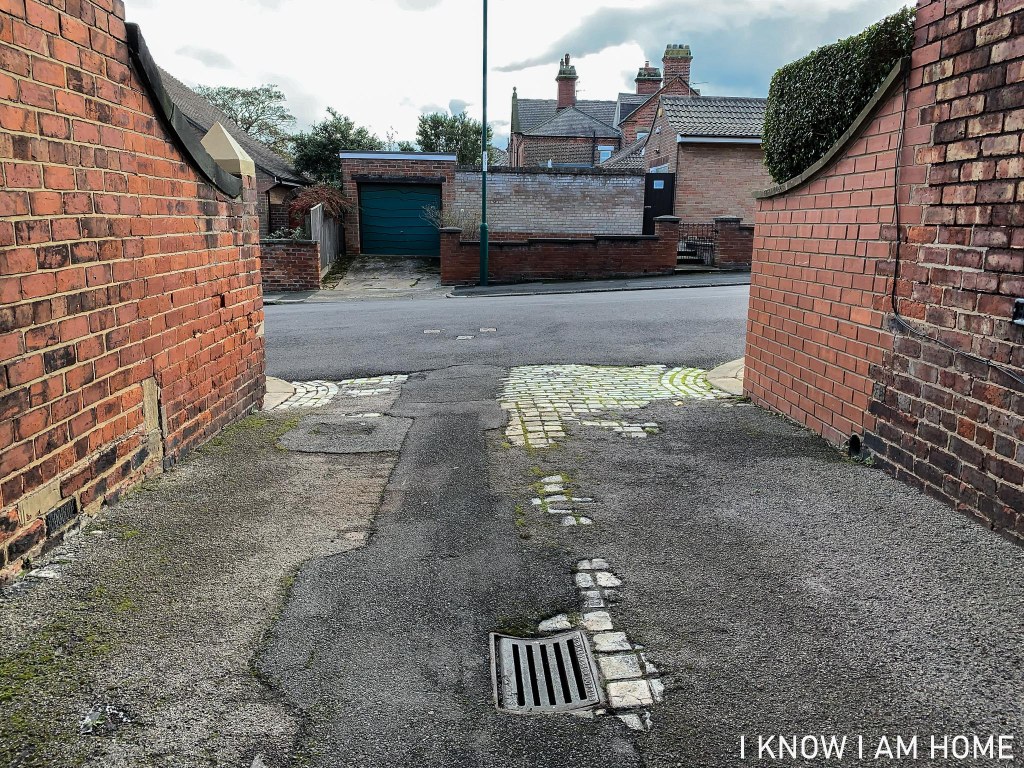
Areas of more water ingress or where access is needed to street furniture tend to betray the previous paving material.

Single divide scar
Betrayed

It is, alas, blatantly evident that the short alleyway behind Greta Street once looked resplendent with downhill sections of scoria brick.

There’s a beauty, despite being less intricate. to the plain pavers aside from there colour too.

Especially where their placement has been made sympathetic with other street features, such as here on Greta Street where they form a graceful curve following the curb.

Sadly inconsistent patch repairs on the blocks of Greta Street are evident.

Though unsightly these patch repairs were deemed necessary to retain the integrity of the highway.

Again between Avon Street and Lune Street, this complete set of single divide blocks is existent.

From the previous passageway is another back alley, with the single divide pavers and no central gutter line of plain pavers.

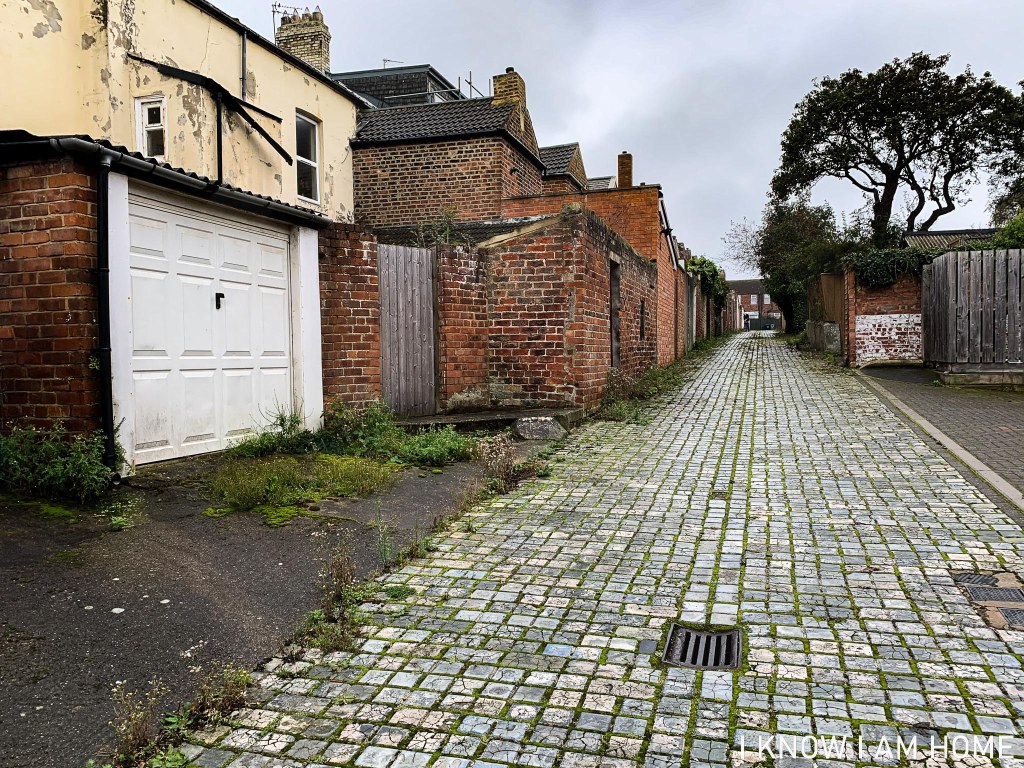
Even with relatively modern buildings and features here the reflective blue grey brick retains a character.

Heading back towards the station square, just before reaching Tweed Street this delightful scene jumped out at me. I did wonder about the dots on the bricks of the wall in the background.

The scoria bricks this side of Windsor Road end at Leven Street, abruptly.

With that, so ends the series on scoria bricks found in Saltburn by the Sea.

Other areas – Saltburn Scoria Brick No.7

As a final post for Sunday morning we look at a few other areas of scoria brick.

Randolph Street has some remaining scoria brick, however resurfacing is abundantly evident. These are the eight division pavers.

Just down from the second example published on the site are similar double hexagonal scoria bricks, in situ at the mouth of the Exeter Street, there was evidence that some plain pavers in the gutters may perhaps exist under the more modern black tar of the road.

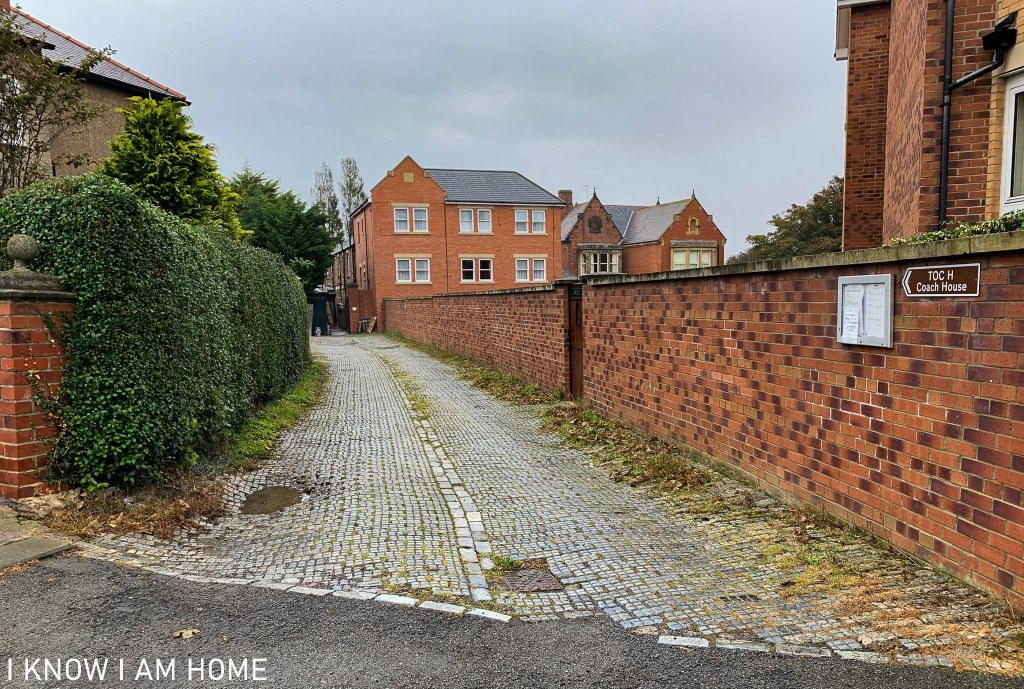
Coach House Back Lane – Saltburn Scoria Brick No.3

Another example of some quite complete sets of pavers in Saltburn.

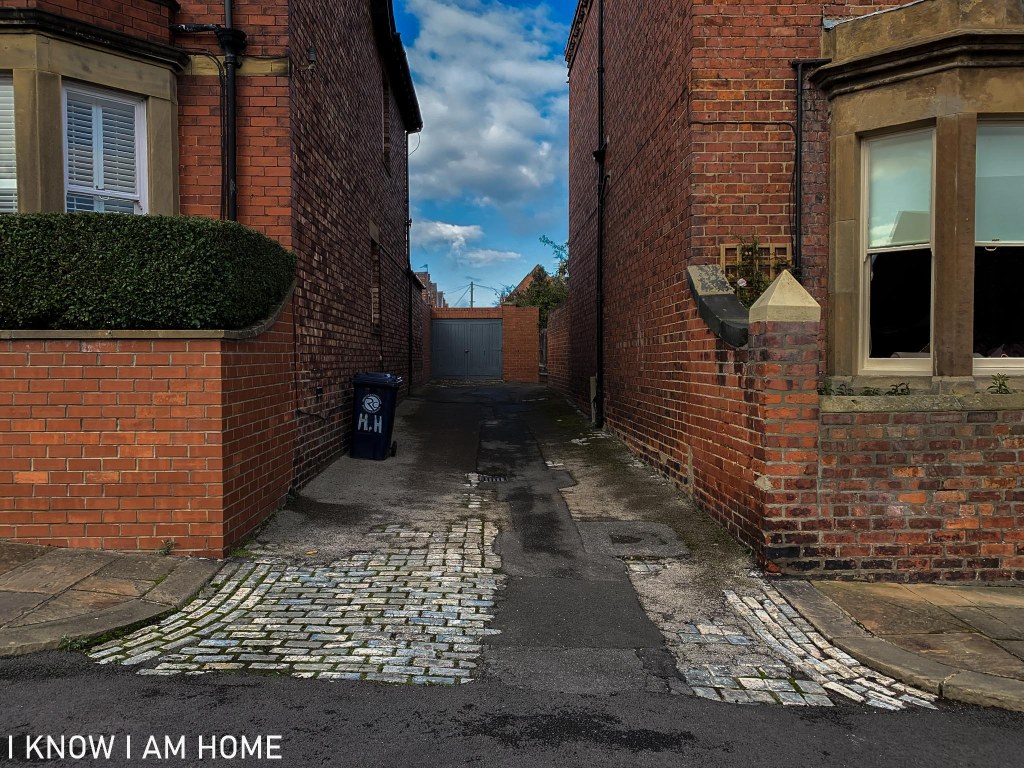
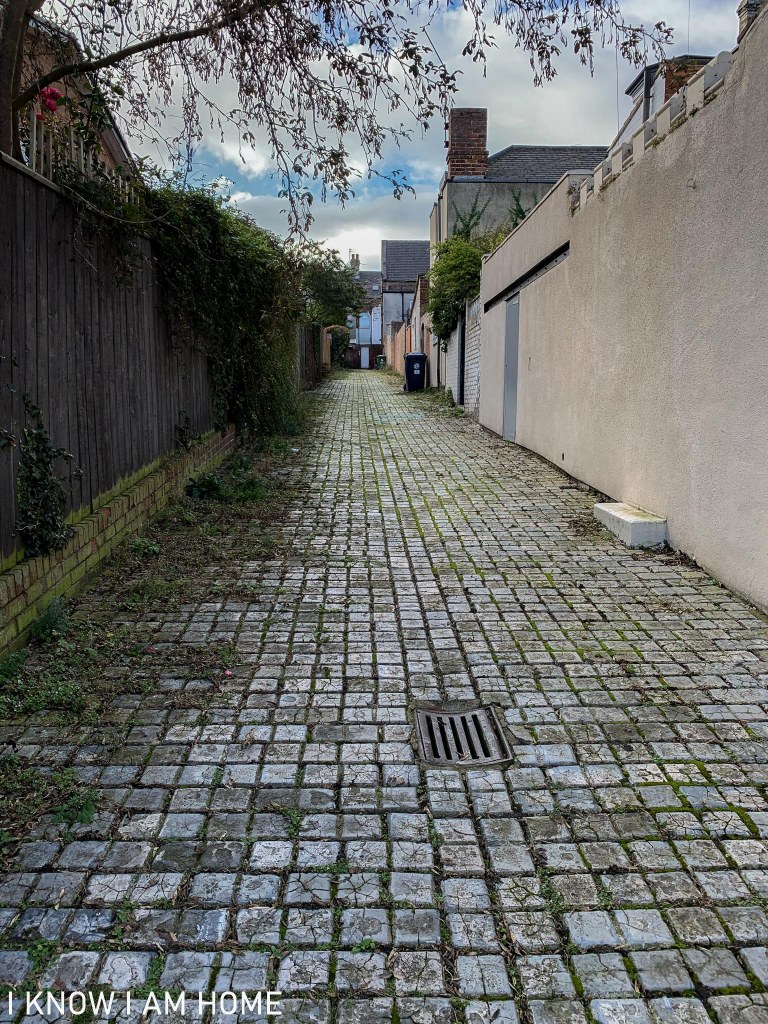
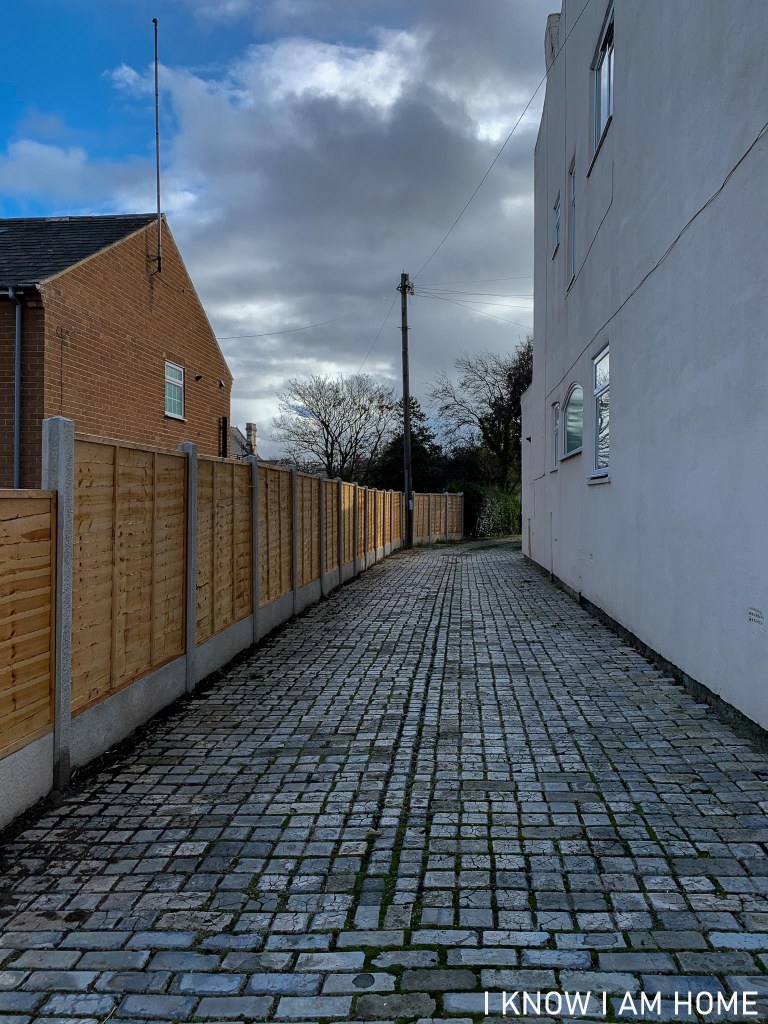
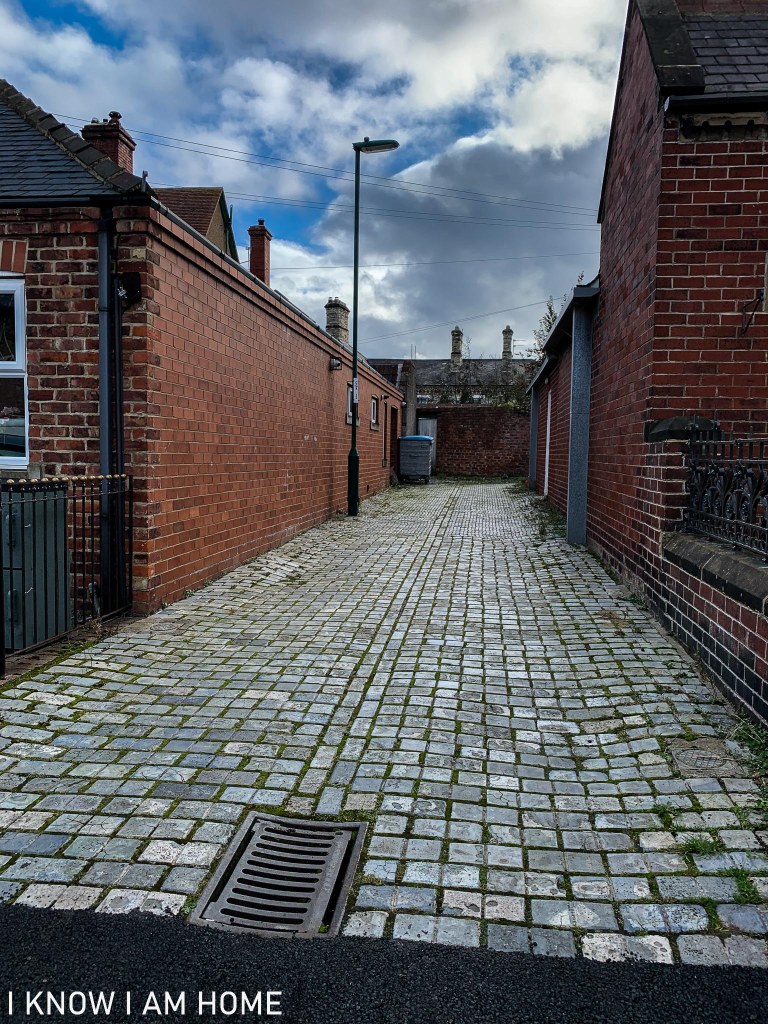
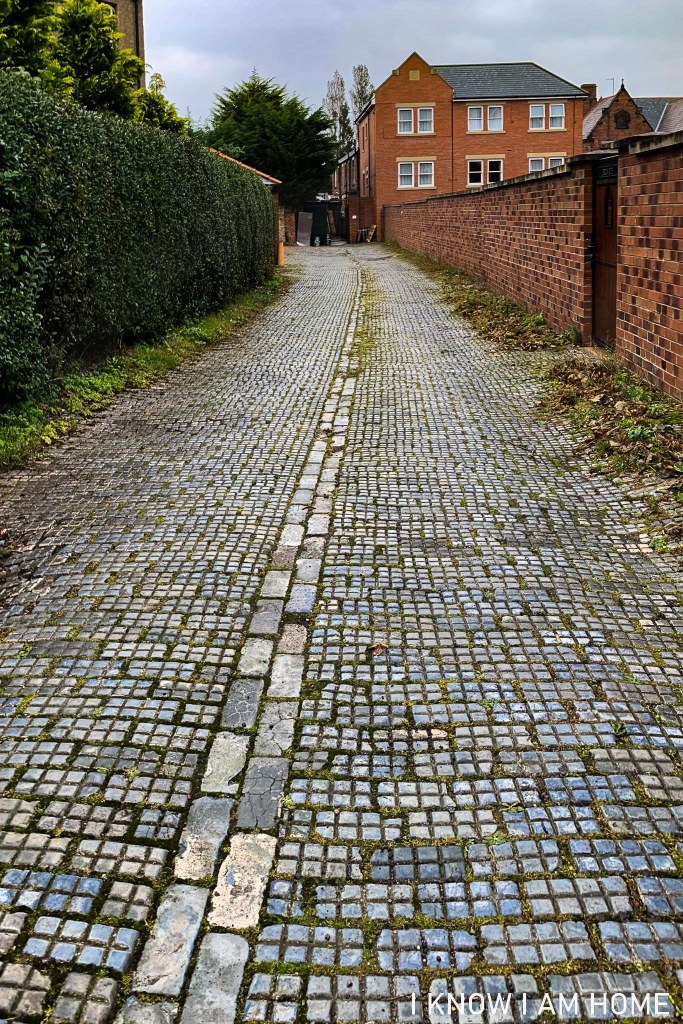
The alleyway between Albion Terrace and Glenside has two stretches of scoria brick, with a variety of designs too.

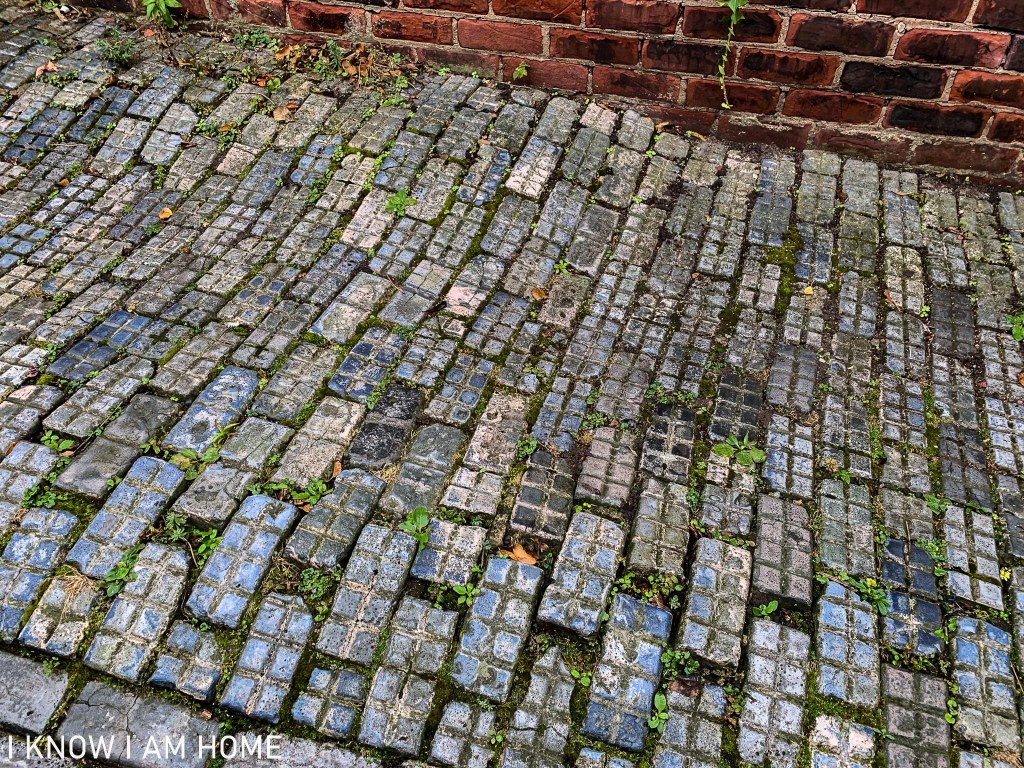
There are numerous examples of the pavers with eight divisions, here with plain pavers forming a central gutter line.

The eight division paving bricks are not without their charms, but lack the art-y quality which I find the double hexagonal interlocking pavers have, a functional beauty.

The sheer variety in the colour of these bricks is enough, however, to create an interest in even the plainest of the bricks.

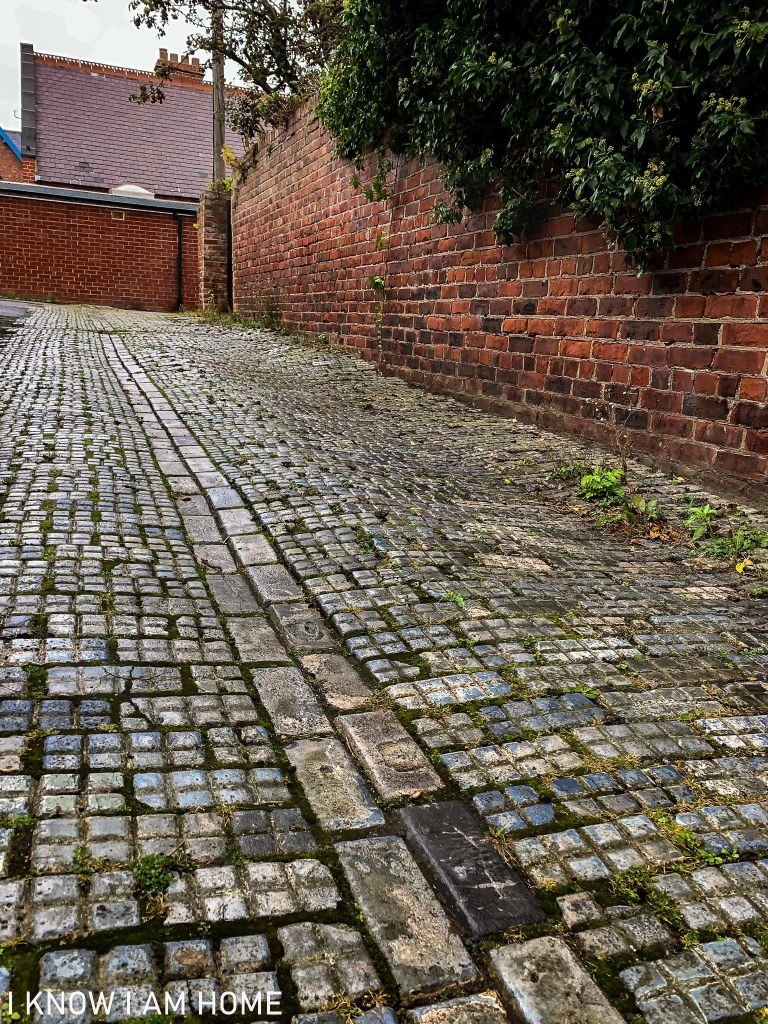
The above plain paver in the scene above intrigued me, an original feature or something added to fill a gap…?

The scoria paving, wet with rain ends as the path diverges to the left.
Here the plain pavers acting as a central gutter can be seen.

As you snake your way through the back lane, dodging puddles on your way, you reach the recommencement of the scoria brick paving. These are a mix of plain pavers and pavers with a single divider.

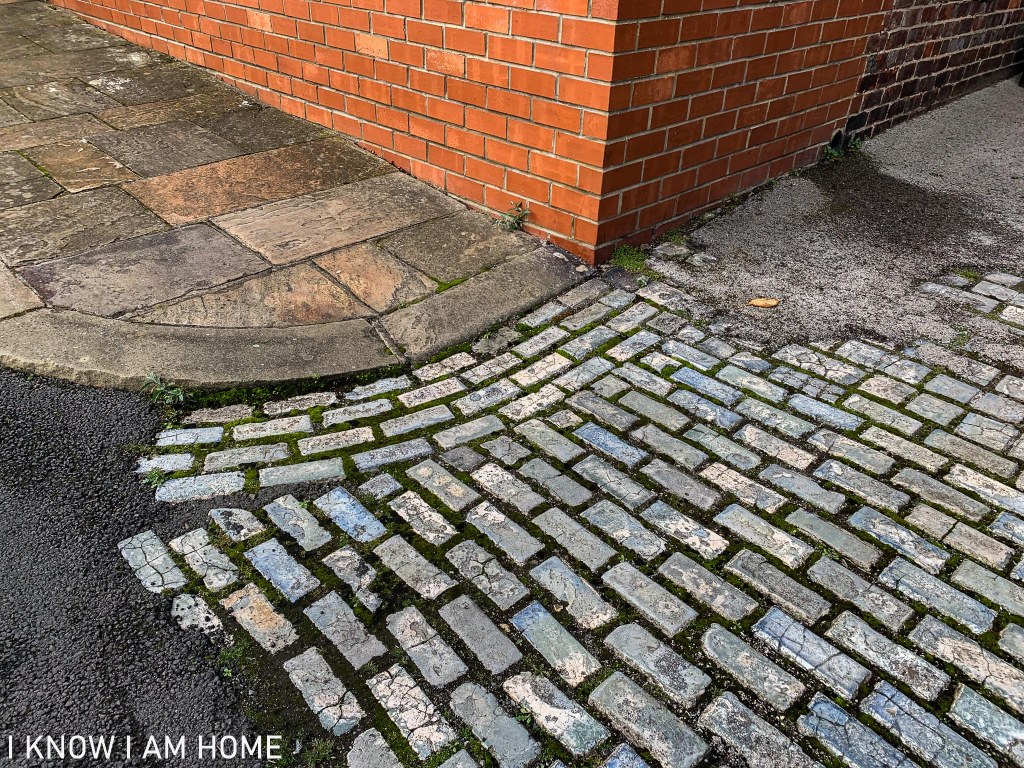
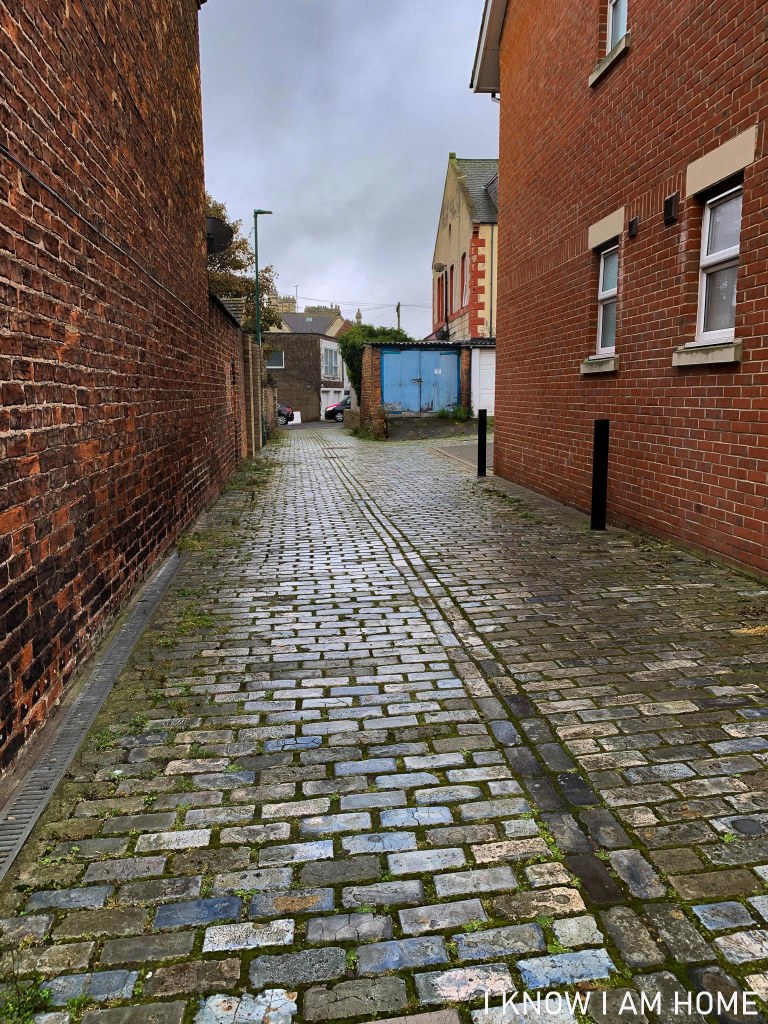
Scoria bricks become their most colourful when it’s rained, deep varied blues, contrasting with greys and with the moss, dirt and detritus in the gaps.

I’m hoping this little series might go some way to showing how what we walk upon can be just as special as a painting or building – I certainly love scoria brick, and I also hope perhaps you may pay more attention to what you’re walking on too!