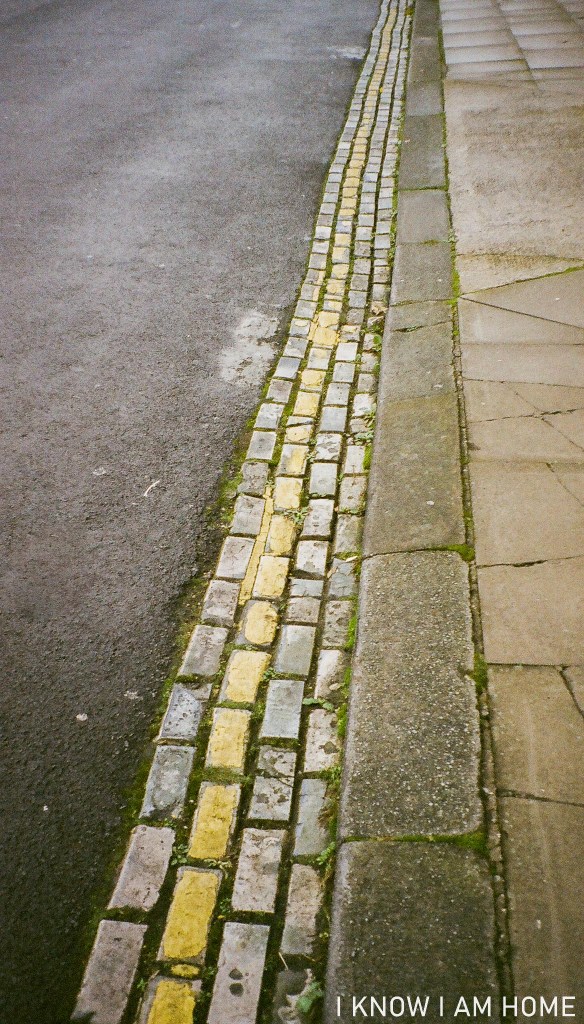
At the start of November 2020 I met with Gary Philipson, presenter on BBC Tees. I had been contacted by his producer, Lindsay, who had become interested in this site, the local history I celebrate and am passionate about, my posts, photographs and the concept of home and being in your rightful place – really psychogeography in itself – how your surroundings effect you as a person and your emotions.
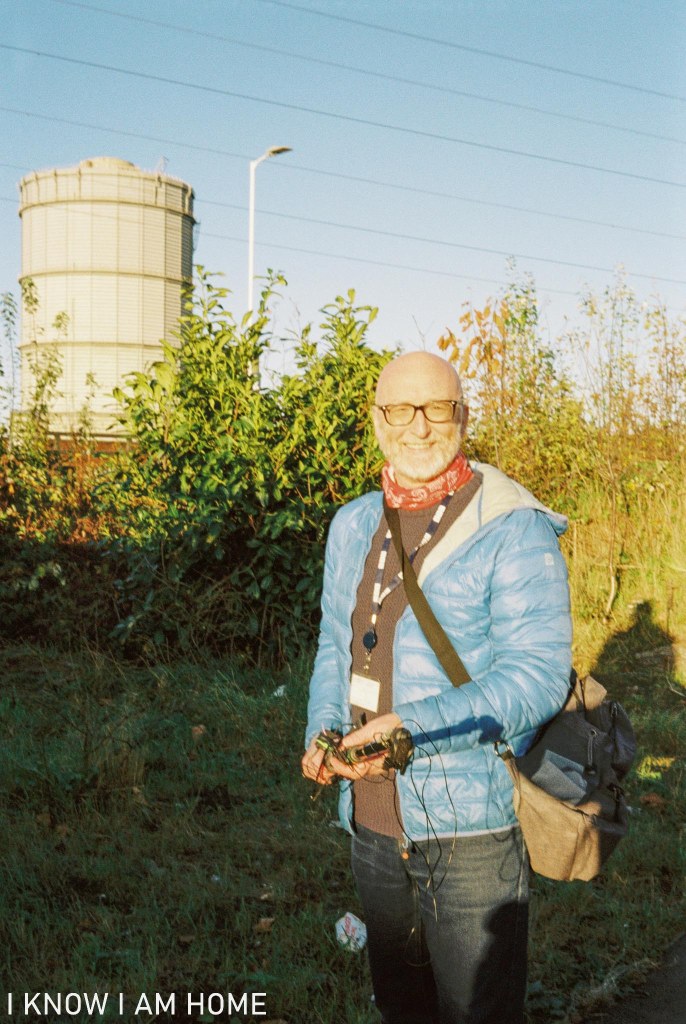
Gary and his 2 meter pole The Black Path (04/11/2020) Olympus Trip 35 Kodak Colourplus 200
So I met Gary, who we later found went to the same school as my mam, outside South Bank railway station. Then myself, him and a 2 meter pole with a mic on the end of it went for a socially distanced walk along the black path, pausing at points to natter away.
I’ve spent some time now looking around and researching what used to be a brickworks between Acklam Road and the Old River Tees in Thornaby. The brickworks was owned and managed by Henry Alcock, listed in an 1890 directory as a brick and tile maker of Bon Lea Terrace.
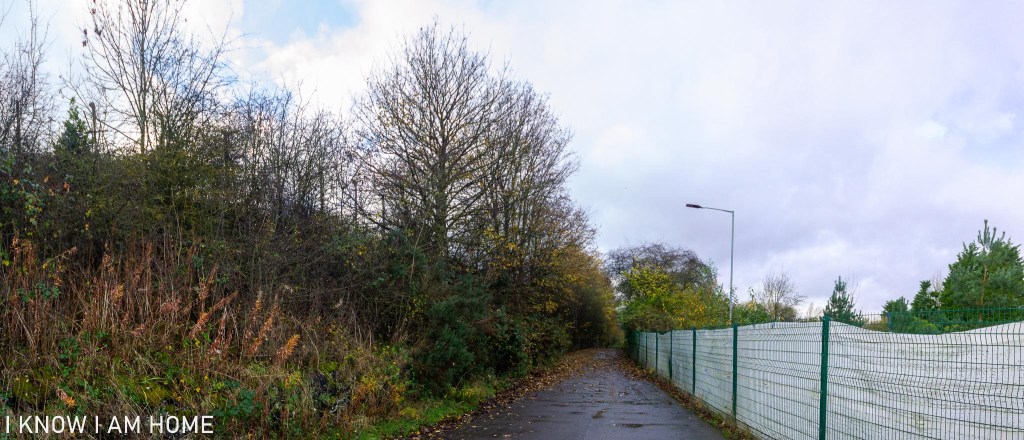
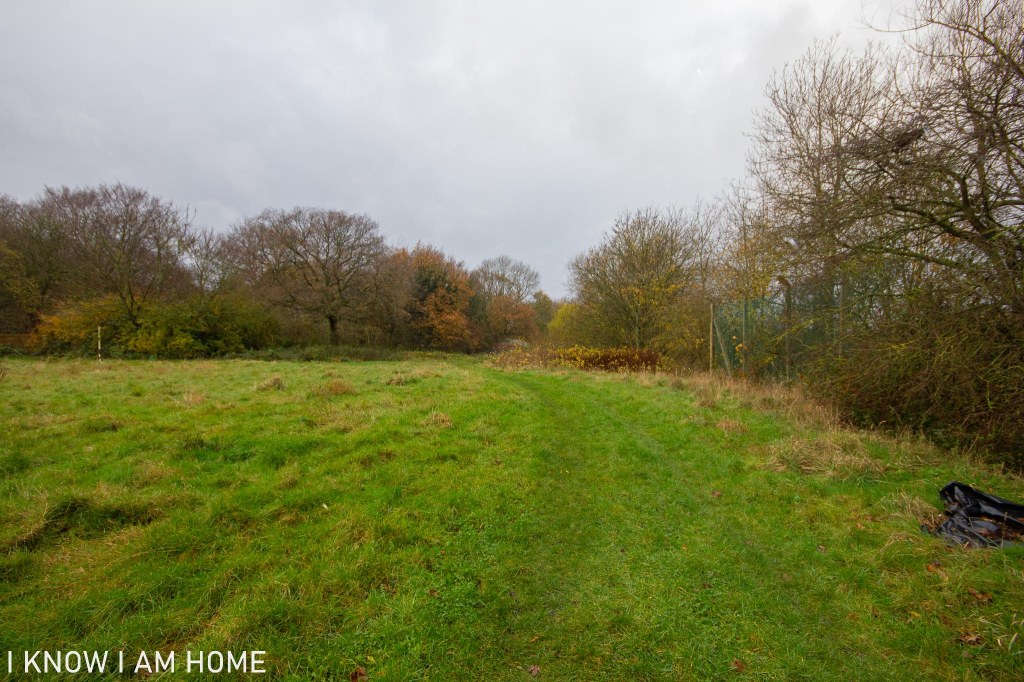
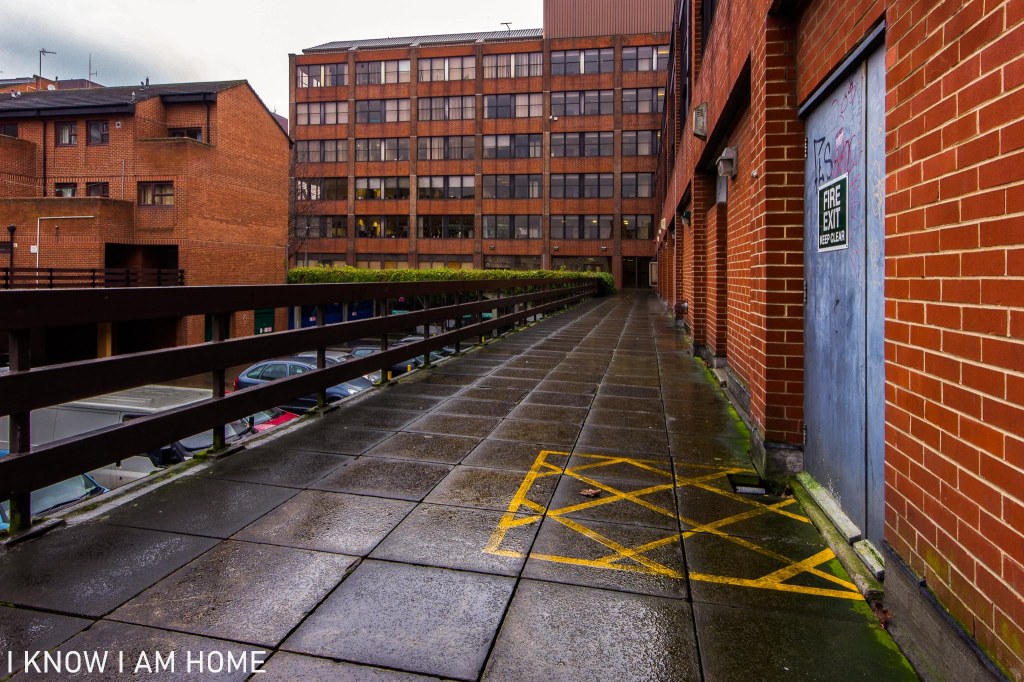
Now part of the grounds of Thornaby FC the brickworks would have occupied a site to the right of this image…
The area became part of the Head Wrightson sports ground, with tennis and football fields on the higher ground adjacent to the cemetery, and what was to become Thornaby Football Club’s stadium occupying land to the east of the brickworks site.
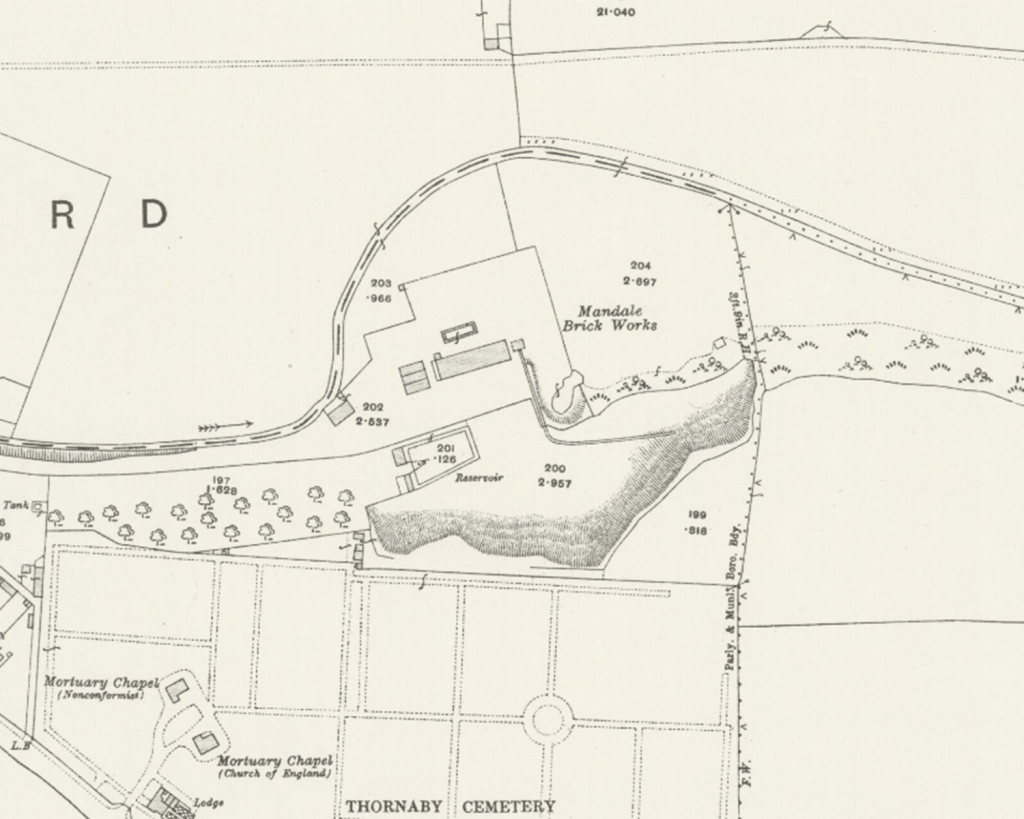
Looking at old OS maps (one of which reproduced below) it is assumed that the narrow gauge railway line must’ve travelled by some sort of gantry to an unloading point, that is unless the land to the right has been “built up” subsequently. This would place the unloading point be roughly at a point in the southern corner of the westerly extremity of the current football ground.
Assuming there was still the difference in height of land here the line may have passed over a gantry or incline roughly where the lamp post is on the right.
Reproduced with the permission of the National Library of Scotland, under the Creative Commons Attribution-NonCommercial-ShareAlike 4.0 International (CC-BY-NC-SA) licence
From there clay would have been unloaded and taken into the “factory building” to be processed and to the west of this factory building there would be what looks to be three single chambered kilns… Though there may also be a “Newcastle Kiln” on the map here behind the larger building.
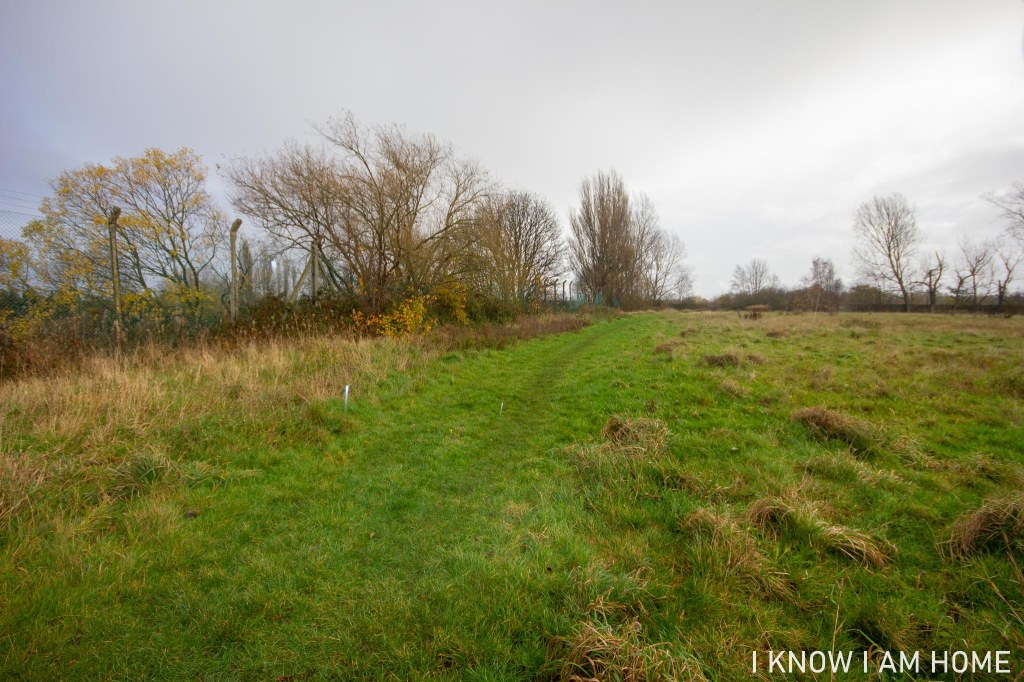
The site of the former clay pit for the brickworksLooking back towards the site of a reservoir
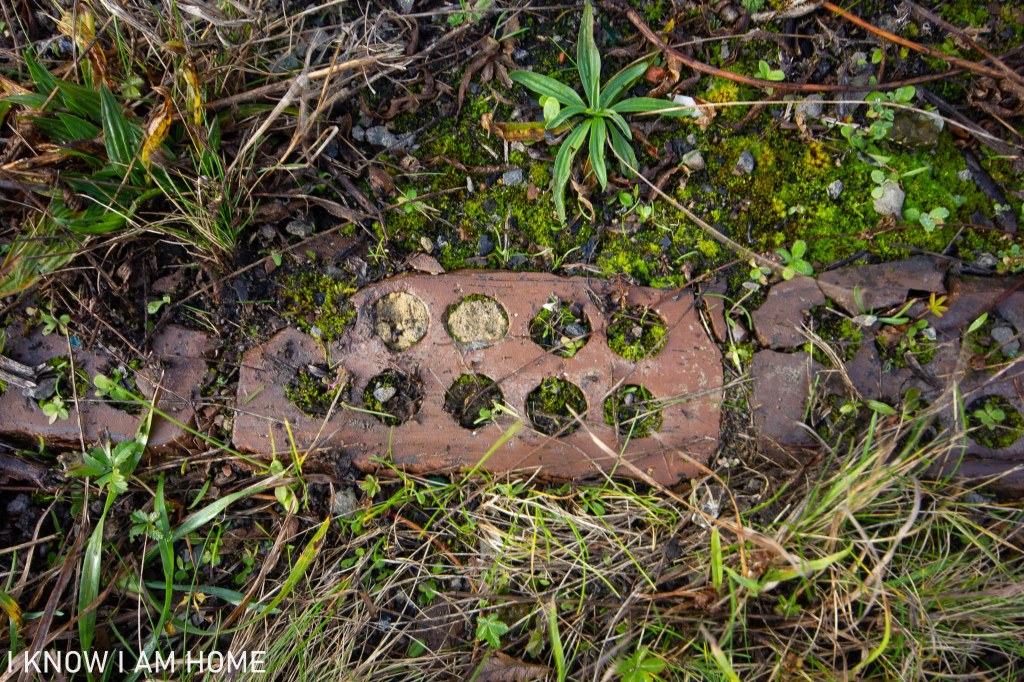
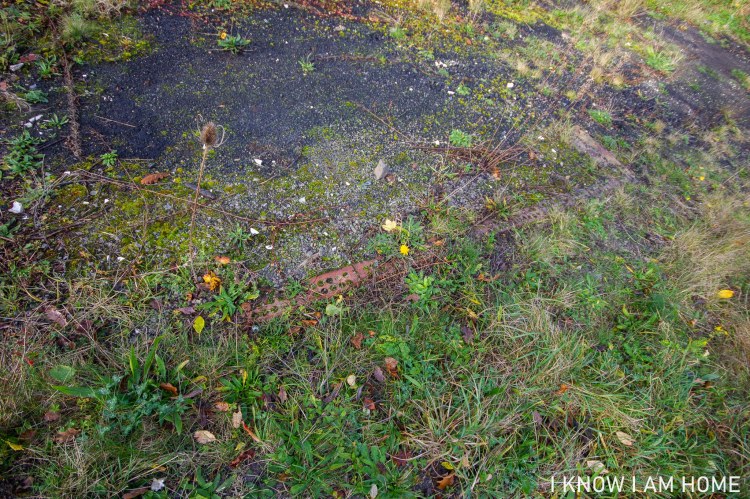
I’ve found a few things when looking about here. One of such is that there doesn’t appear to be any remains, however. I have found some bricks here (pictured) which COULD be from the brickworks buildings. However there were other buildings on this site and I am completely unsure what time period or constructions on the site these bricks relate to. Also pictured is a brick column (potentially from some sort of gantry) in the undergrowth…
The pictured bricks remaining in situ are in a location which could tie in equally to a sporting pavilion or to the brick works.
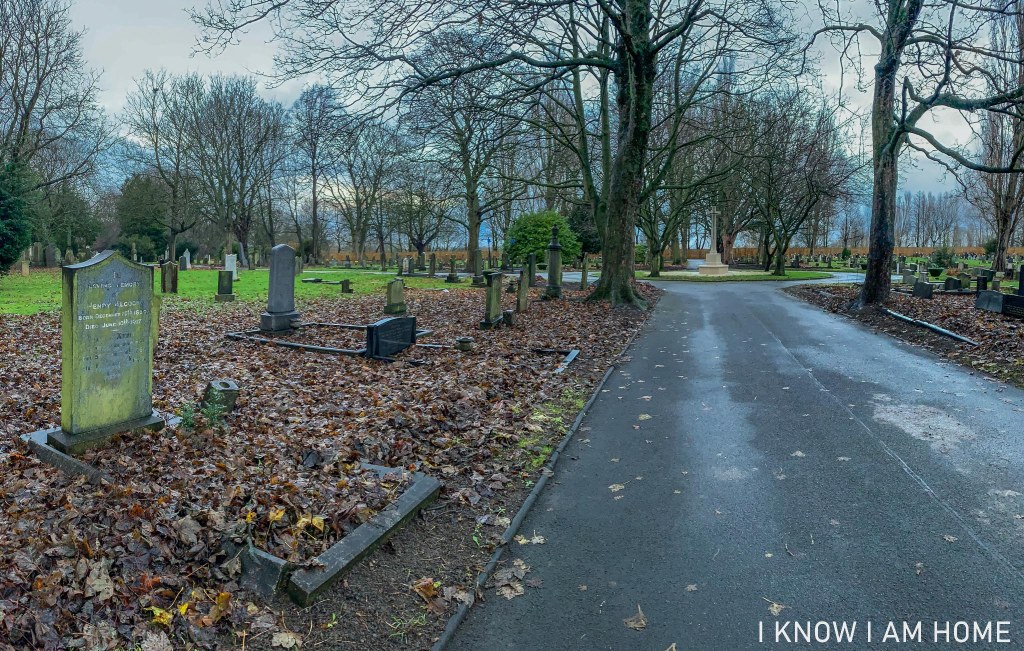
Incidentally Henry and his wife Ann are interred nearby in Thornaby Cemetery, Henry rests a very short distance from the brickworks and associated clay pit which were behind the wooden fence beyond the cross of sacrifice.
So nothing concrete in terms of remains of a brickworks but I do hope you find this one interesting nonetheless!
For a short time I used to work in a public rights of way team in a local council.
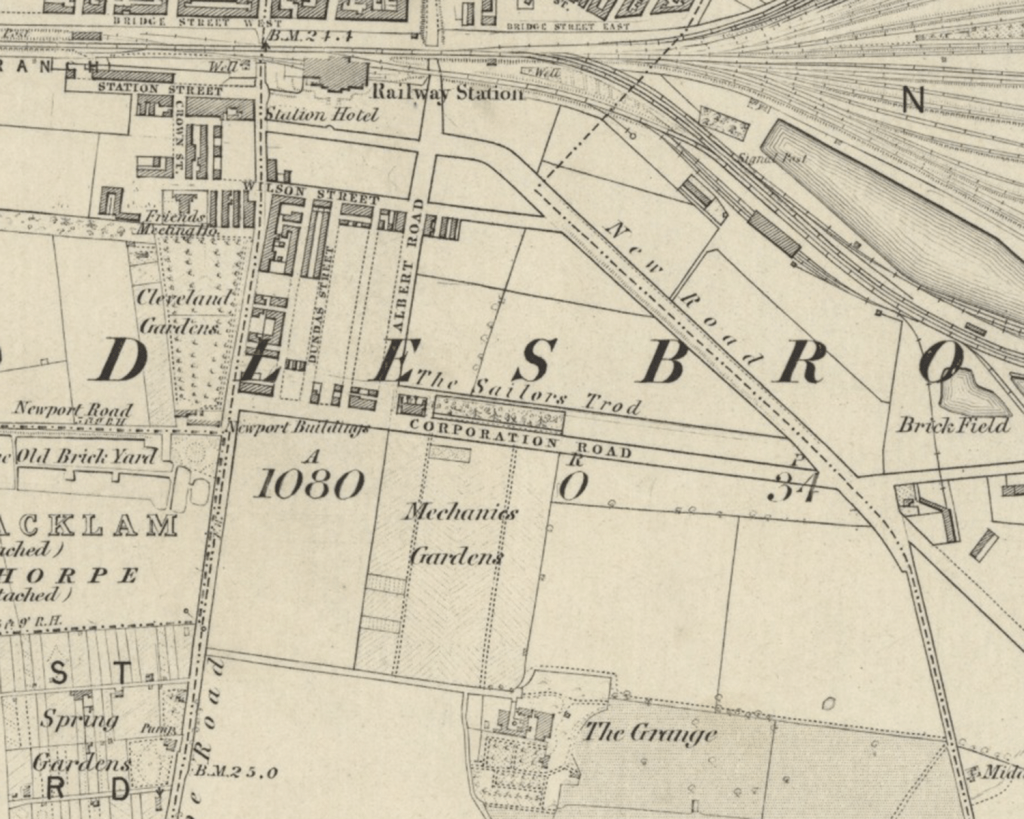
One of my pet projects when there was looking at Sailors Trods, paths marked on a few old OS maps.
Whilst digging about in the Teesside Archives, then superimposing a map onto a current mapping layer using some software, I found that a Sailors Trod was marked on a line which looked to be right behind the office I worked in. I took my camera out to take a photograph, sad I know!
Surveyed: 1853 Published: 1857 Reproduced with the permission of the National Library of Scotland, under the Creative Commons Attribution-NonCommercial-ShareAlike 4.0 International (CC-BY-NC-SA) licence
The Sailors Trods were paths which allowed river pilots and other people linked with shipping and boats on the Tees to walk between Cargo Fleet (or Cleveland Port) and a point near what is now Newport Bridge, and indeed from either destination to points beyond.
Branching out the scope of the website a little I though I’d share something with you all. This item is from another place which I hold dear, Dumfries and Galloway… But I promise I will post some Teesside & North Yorkshire relevant items soon!
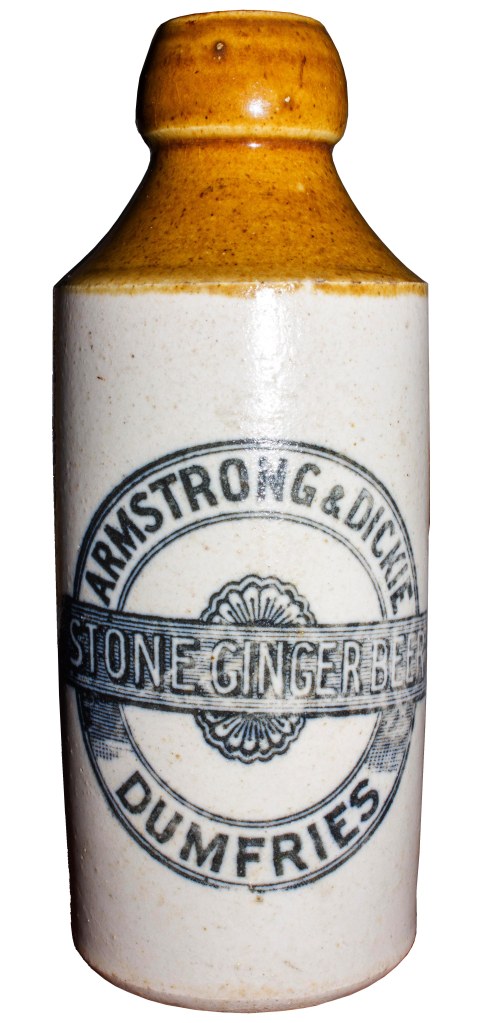
There’s lots of little items which hold meaning and have connection to localities… One such are bottles, which more often than not contain a branding of what was in them and who produced it…
In Dumfries there’s a grand looking building on the Whitesands, next to a pool hall. It’s fallen into disuse now but this building was the aerated waterworks of Armstrong & Dickie. The works was built around an artesian well in the Dockhead area of Dumfries. It was designed by Dumfries architect Wilfred Fitzalan Crombie, they were so proud of the building they used its likeness on their bottles for a while too. The water works eventually passed to the Workington Brewery Co Ltd…
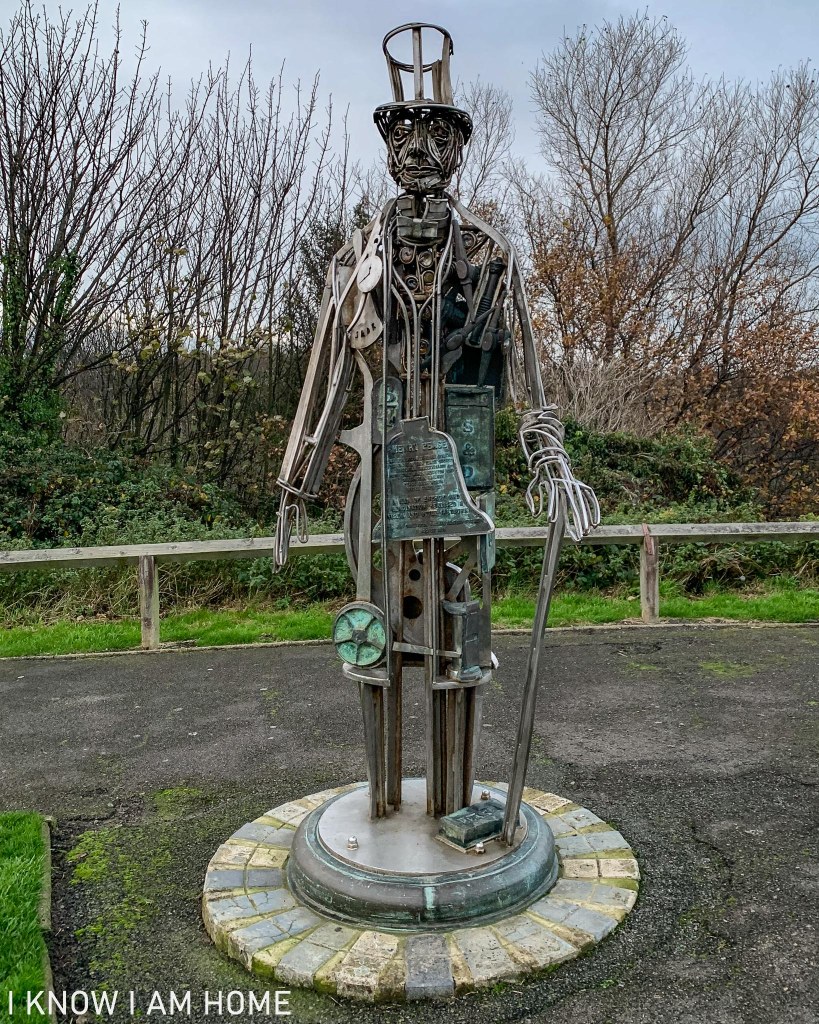
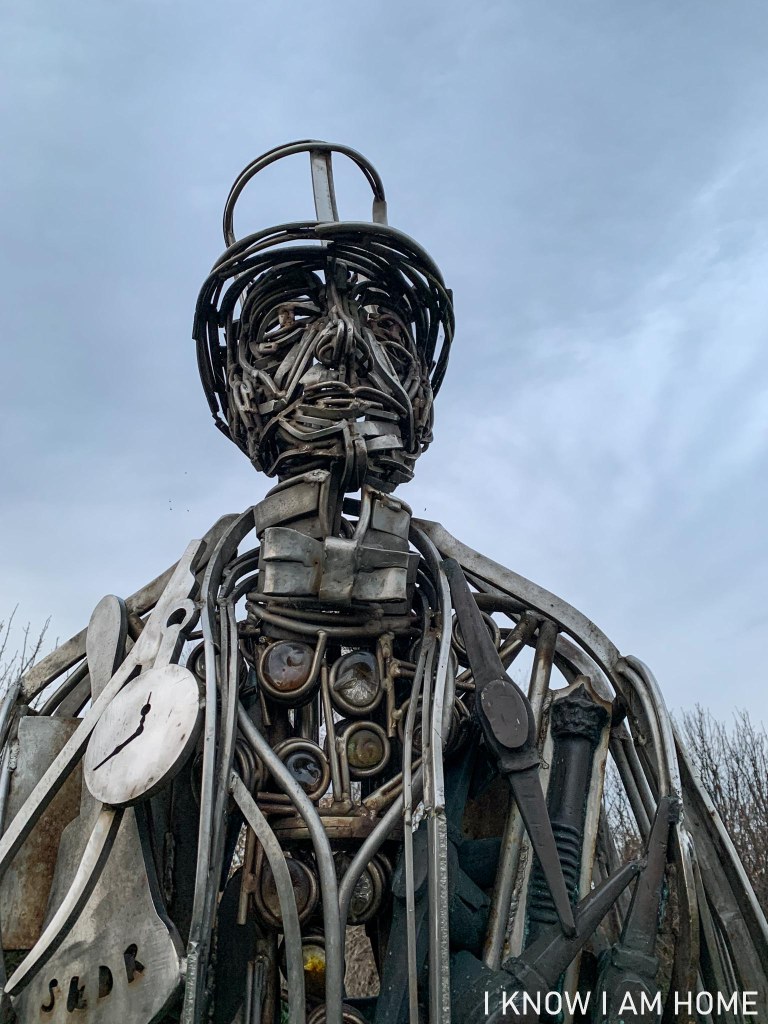
This sculpture made up of representations of parts of Henry Pease’s industrial interests sits on Marine Parade.
Quaker’s aren’t ones for vanity so I do wonder how Henry would’ve felt about his likeness being on display here…
Statue
Industry Interests
As an aside, as well as Pease brick at the foot of the information board, the statue itself with a metallic representation of a Pease brick is circled by, you guessed it Scoria blocks!






 I KNOW I AM HOME