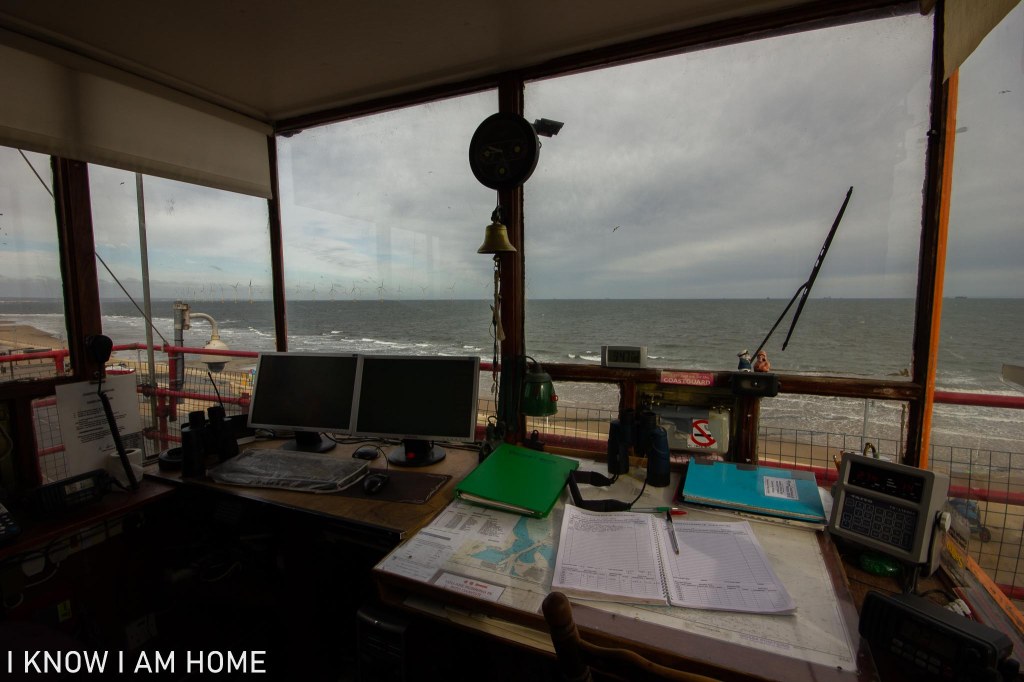
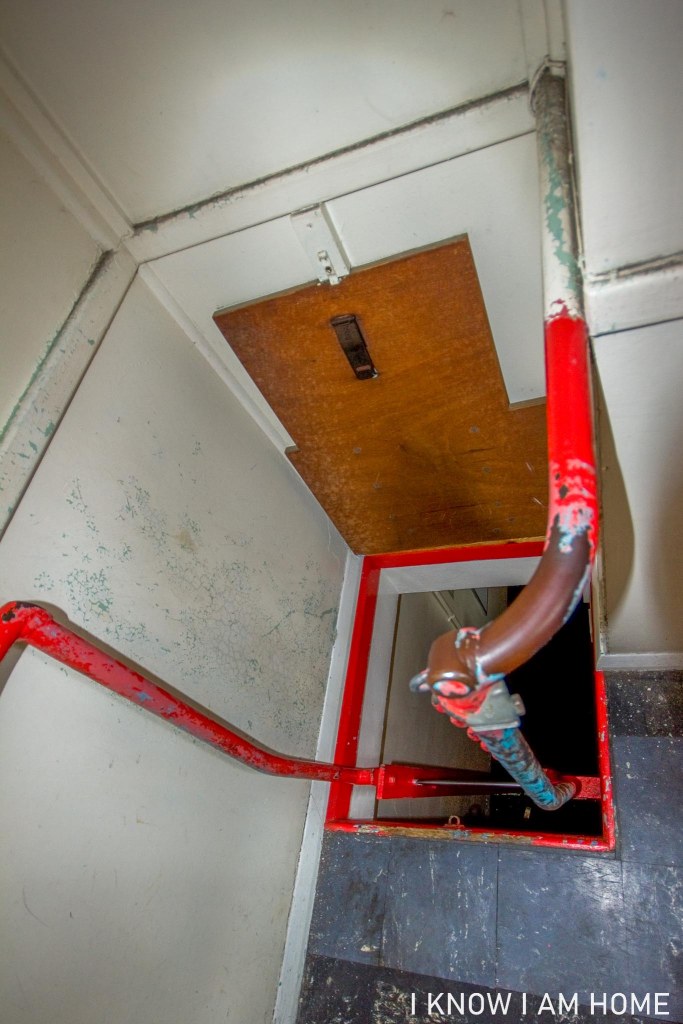
The Coastwatch station at Redcar occupies the top floor of the Zetland Lifeboat Museum. Until the mid-90s the station was part of the HM Coastguard network. However the nearest Coastguard Operational Centre is now Bridlington.
These images are from the coastwatch lookout before refurbishment.
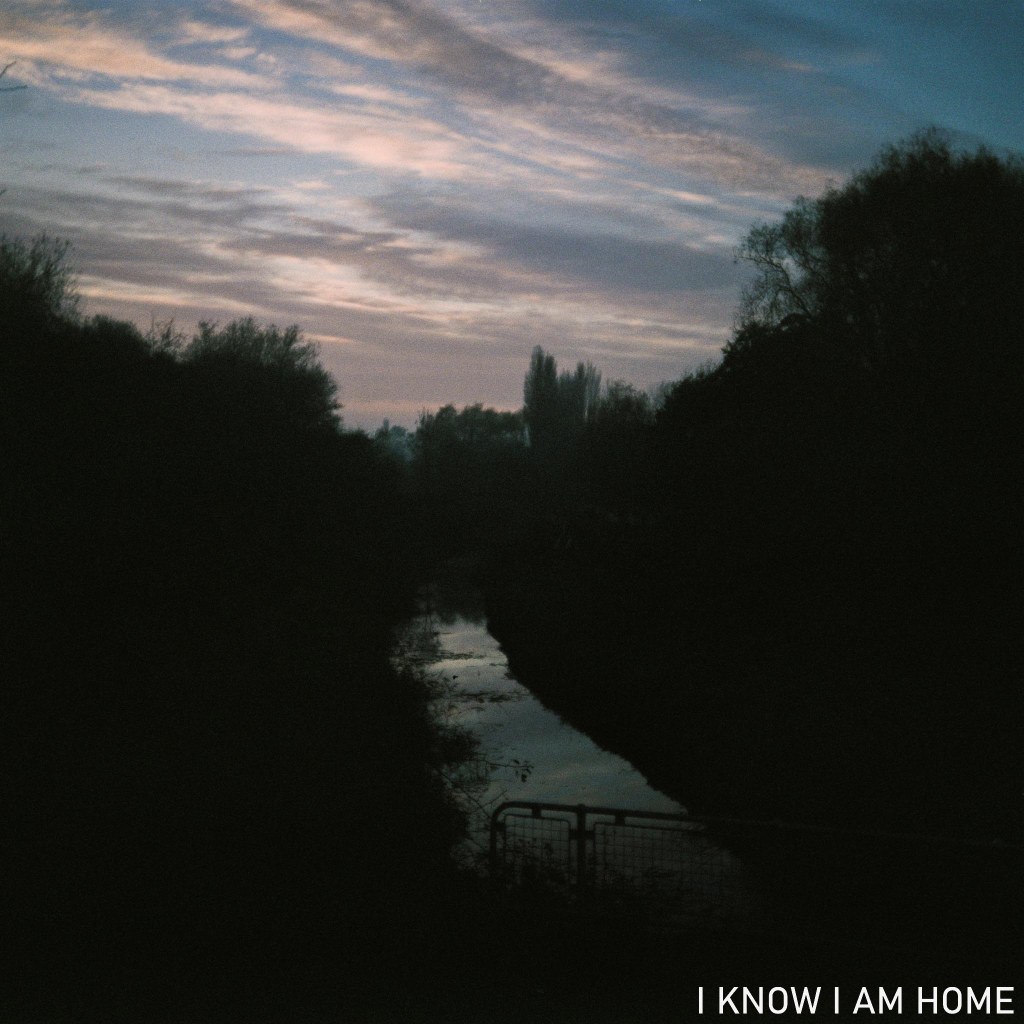
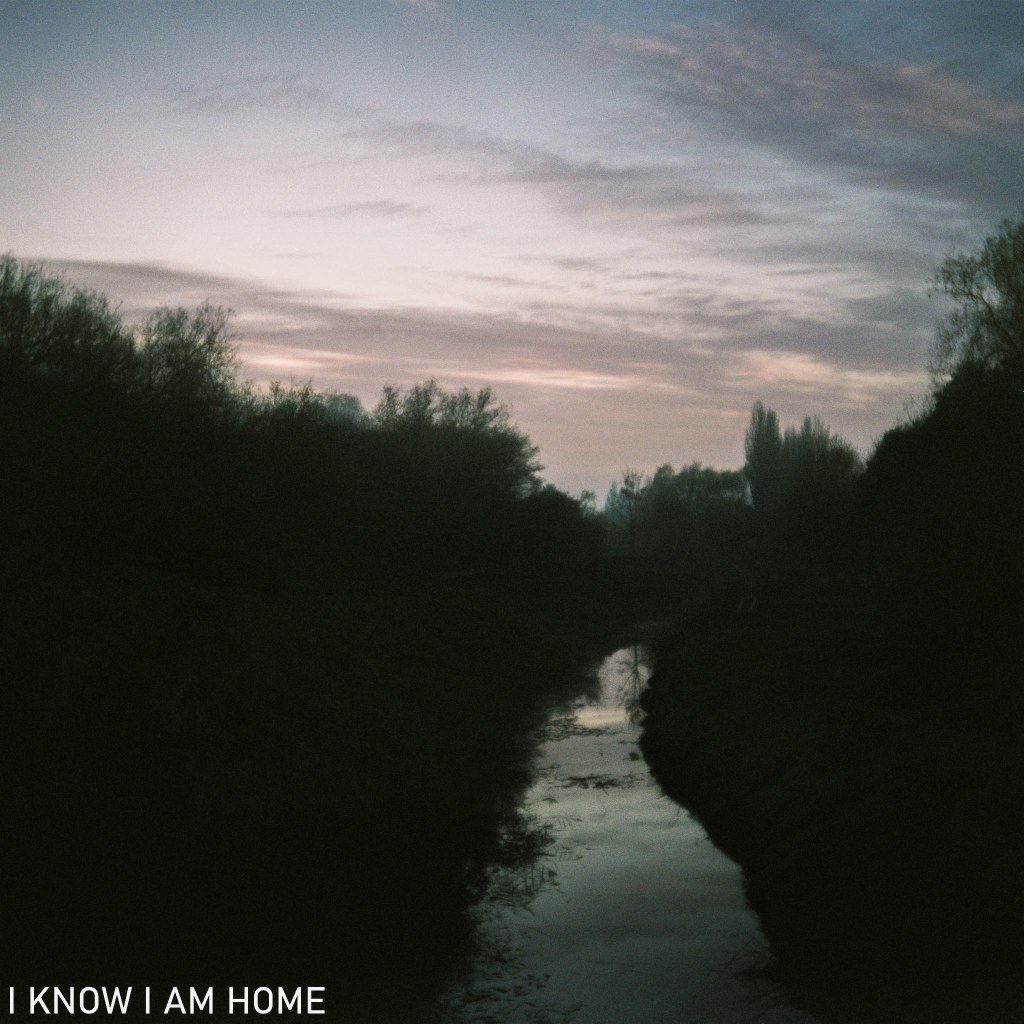
November (06/11/2020) Balda Bünde Baldixette Fuji NPH 400
These images were taken using a medium format camera, the camera used in particular takes photographs in a square format. It’s quite interesting to be honest to rethink composition in terms of a square, rather than a more rectangular view.
I chose a demanding situation to take these images in, but I did want a more moody subdued look. For that I also chose an expired roll of Fuji’s NPH 400. I shot the roll as if it was ISO 200, however with the limited functions of the Balda camera I was using it was very much aiming to get the best composition and hope for the best…
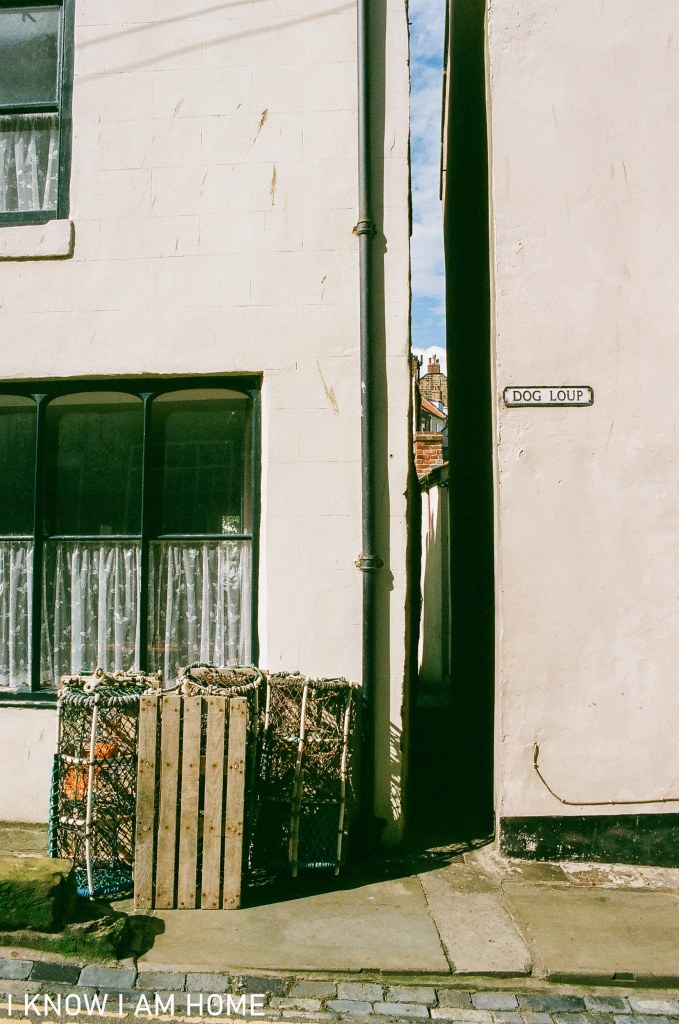
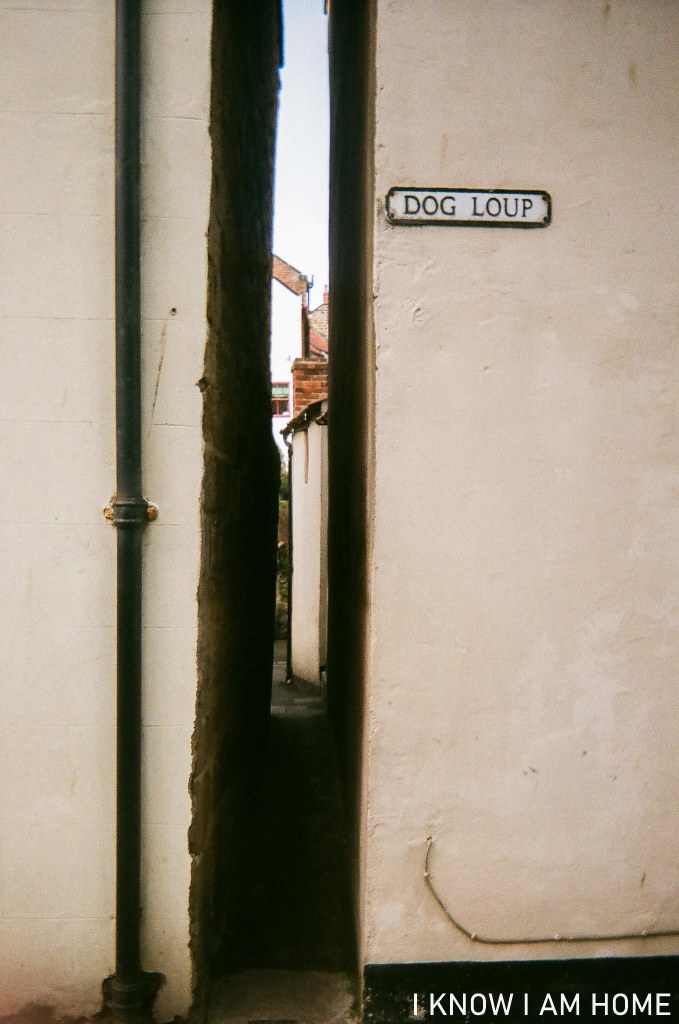
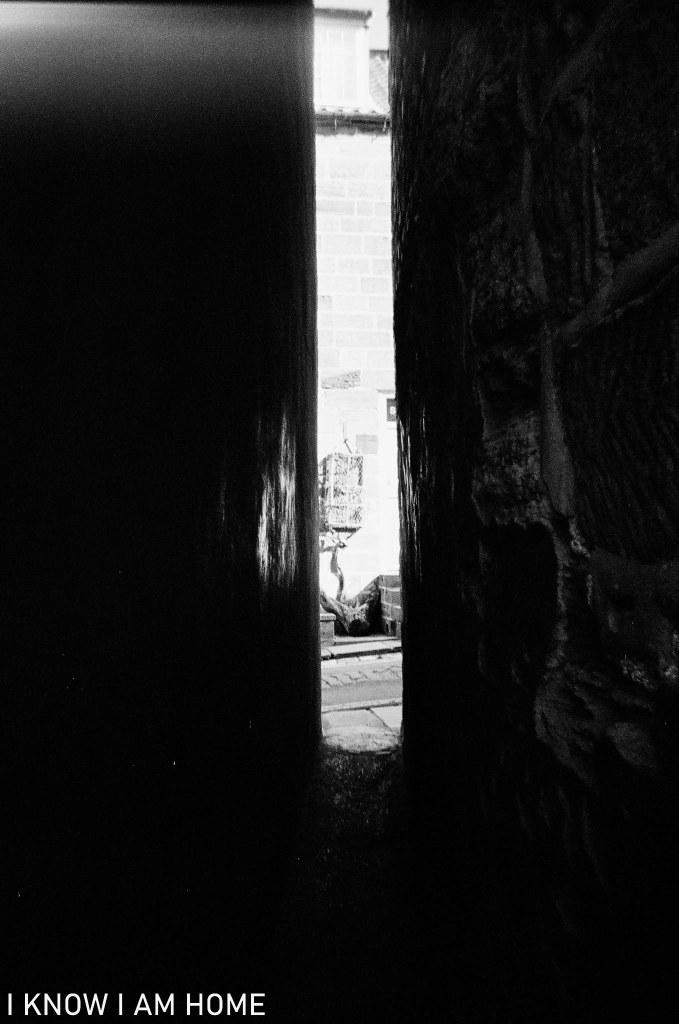
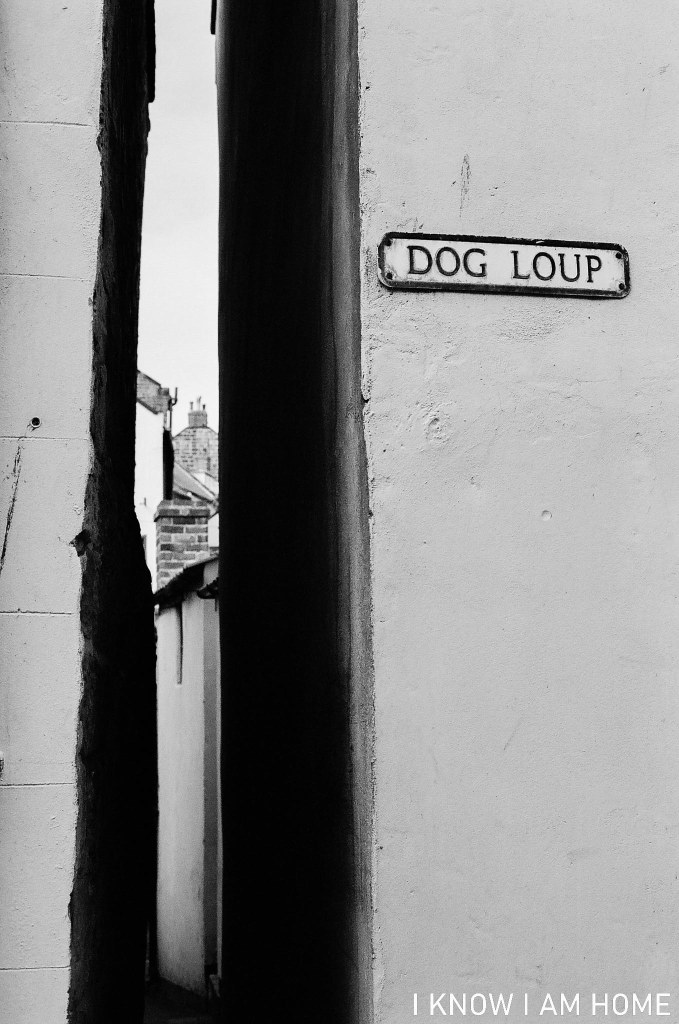
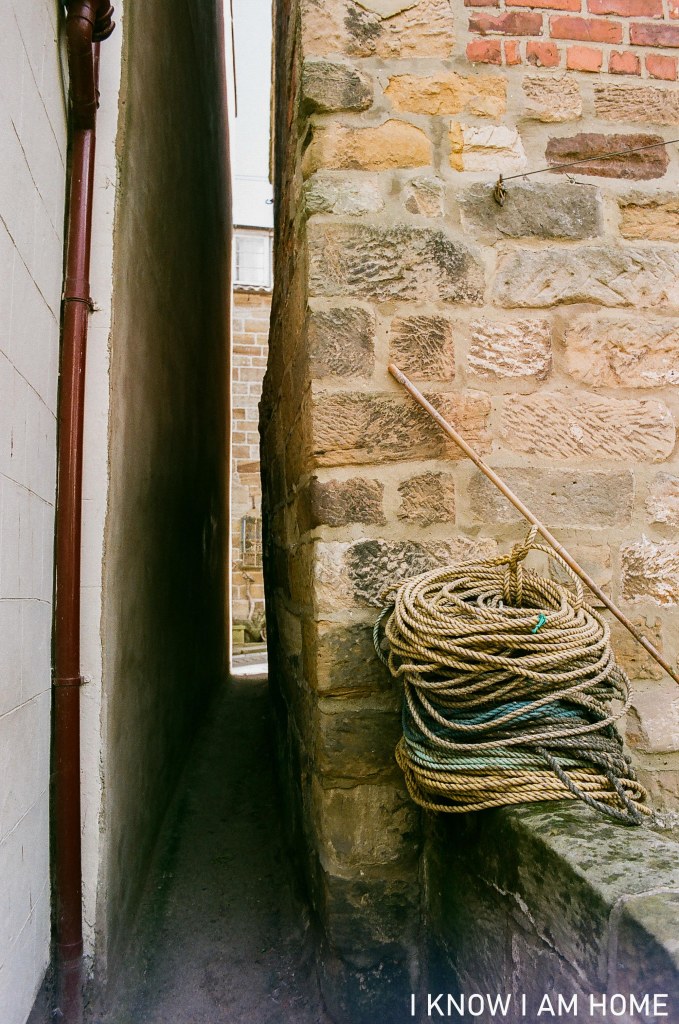
Dog Loup is a narrow passageway between two dwellings in Staithes, taking you from the main Church Street to Gun Gutter, which in turn leads up steps to High Barrass.
Lobster Pot Passageway Staithes Minolta X-300, Photax Super Paragon 28mm Lens Fujifilm Superia X-Tra Colour ISO 400
Myself and a friend have measured the passageway here and found at some points it’s as narrow as 17 inches, however it’s often quoted that 18 inches is the narrowest.
Down pipe, down alleyway Staithes Disposable Camera
Obviously the usable space for walking differs as buildings are rendered or maintained.
In the midst… Staithes Ilford XP2 Disposable Camera
Sometimes it seems like you couldn’t walk along the passageway. Almost everyone has to shuffle sideways.
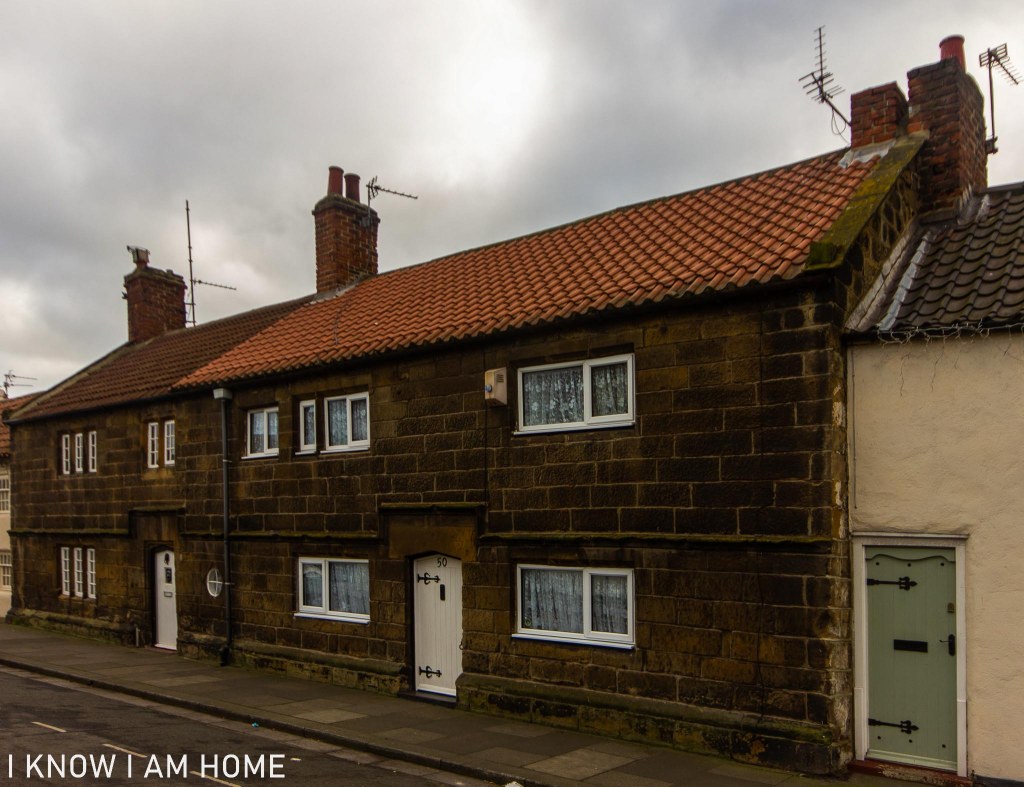
Grade II listed in 1983 48 and 50 High Street West (formerly Coatham High Street) are dressed sandstone cottages built c.1698 (number 48 is dated as 1698).
These cottages were built when Coatham was in decline, the salt industry in the area had dried up (excuse the pun). They’ve seen wars, declines in other industries too both old and new, and still stand.
I can’t help but look at these cottages and the others on the street and imagine that they were, in the 1700’s and 1800’s, hives of activity for smuggling…
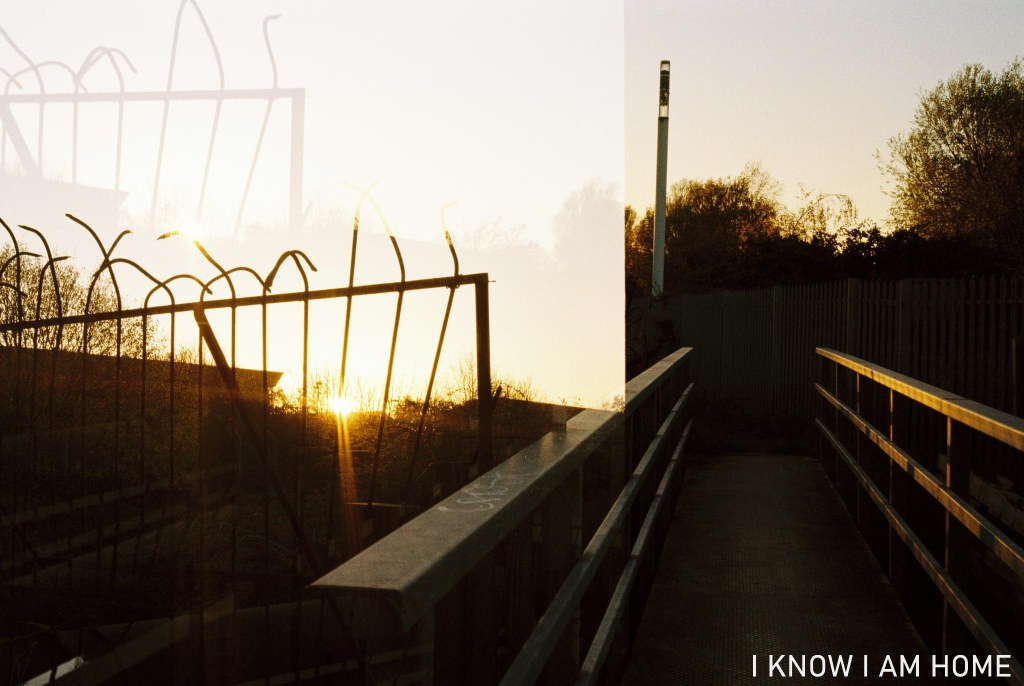
In film photography a double exposure or multi exposure is where intentionally or unintentionally multiple images are captured on the same piece of film. This usually works best with a lower light sensitive film thus allowing more exposures.
Anyhow this is a little different, this is an overlapping exposure, where the film was only advanced part way, to create an overlapping image effect. Here the original image was taken to ensure there would be some darkness to the lower left, then a guessed advance of the film made (with the winder disengaged for some of it), then I lined up an image that would hopefully expose again in the darker area of the first image.
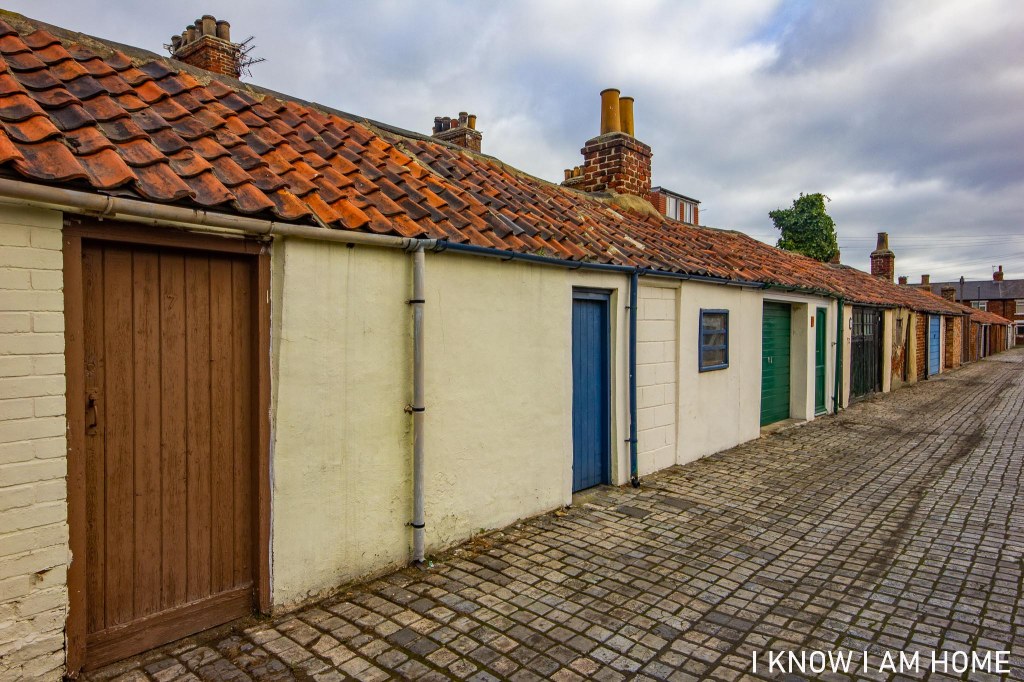
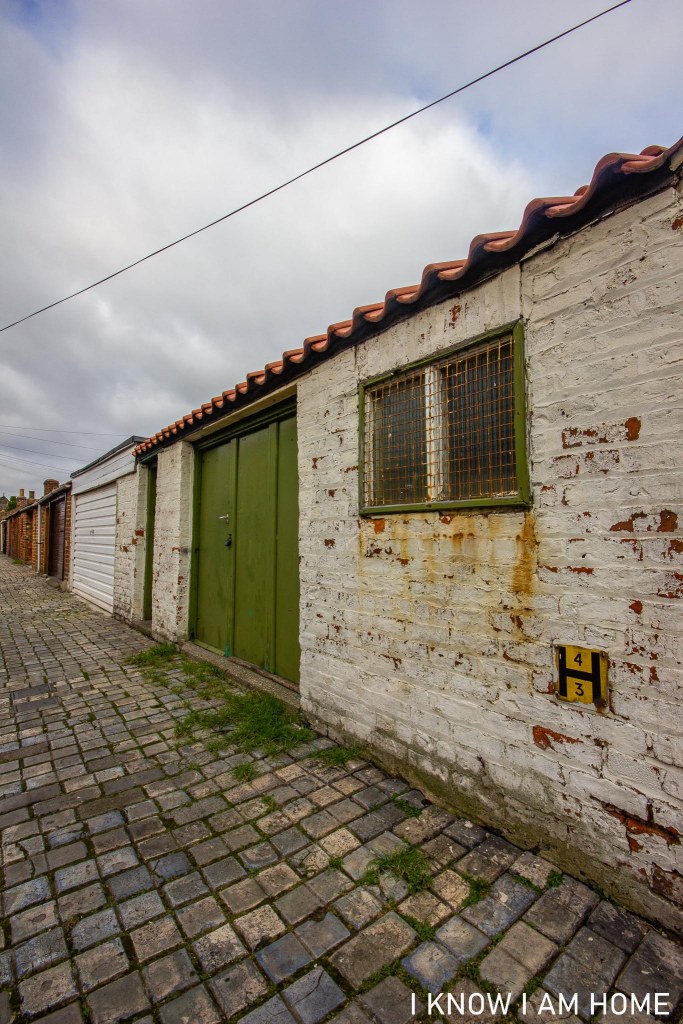
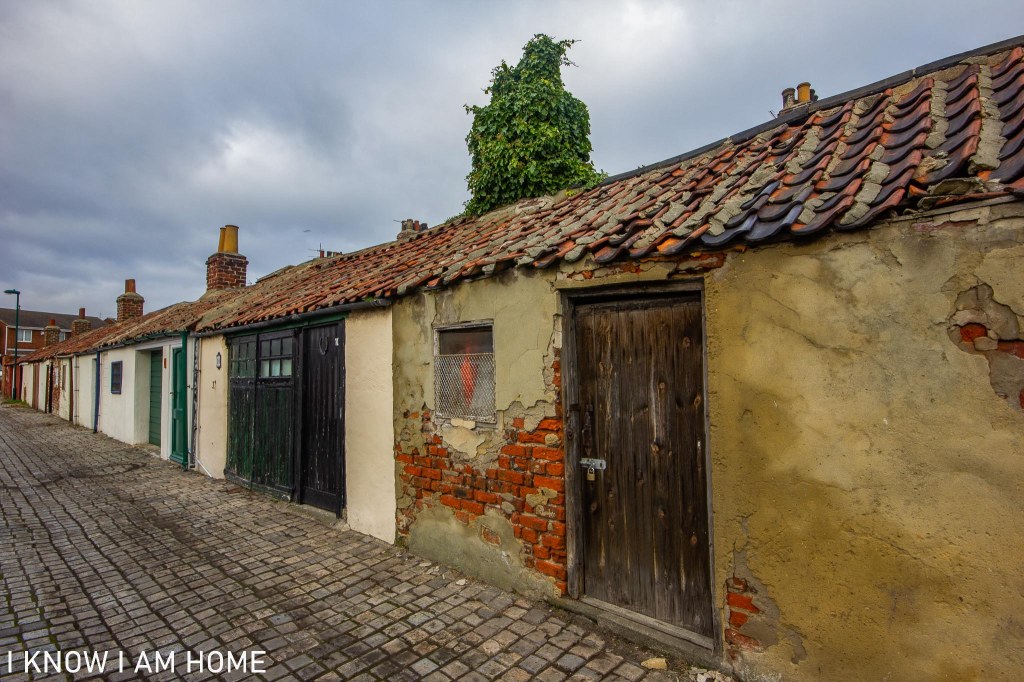
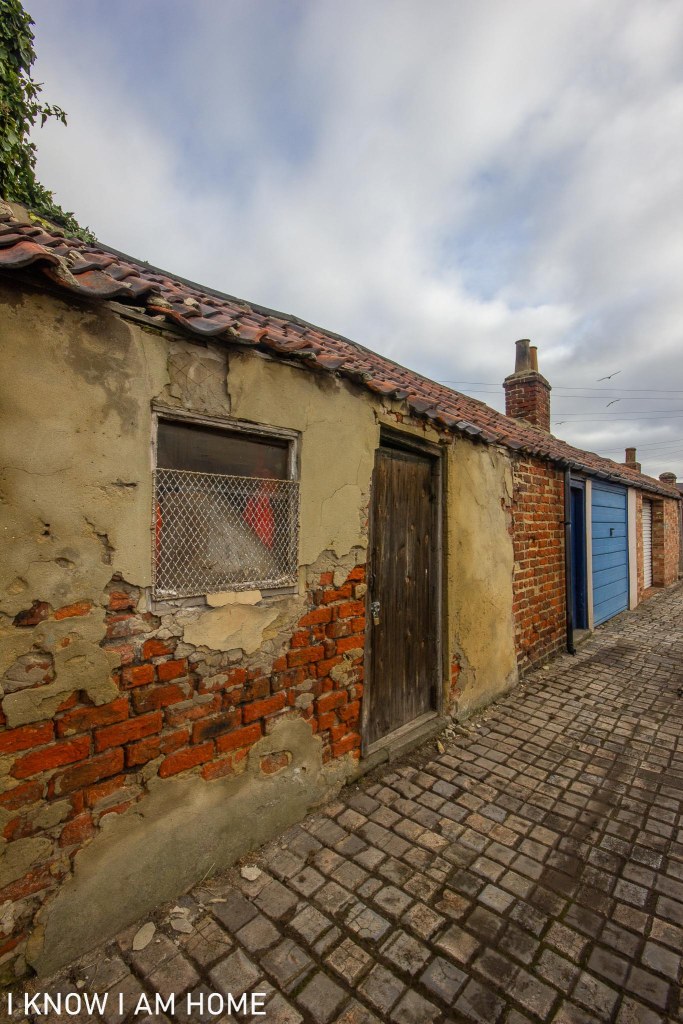
Behind South Terrace in Redcar, and the area known as Fisherman’s Square, there is a back lane, paved in the scoria blocks with waves emulating the sea. Lining one side of this lane are single story sheds, these were for many years bait-houses for the fishermen of the town.
Weathered and irregular pantile rooves, chimneys, colourful doors are a visual feast.
These buildings would’ve been used by the fishermen to store their gear, to bait hundreds of hooks on long lines and mend lobster pots and nets.
There’s something so charming about this “street” of bait-houses. The scoria setts, pantiles forming patterns like breakers on the shore.
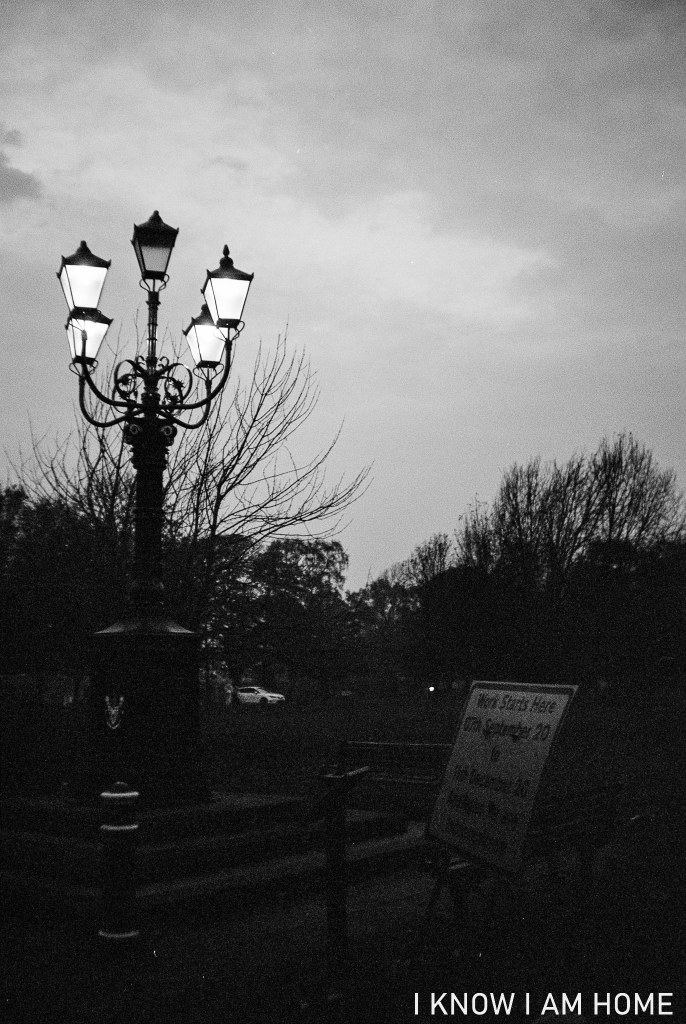
The Five Lamps, Thornaby (08/11/2020) Minolta AF-DL Ilford XP2
Thornaby’s five lamps were originally situated on the junction of George Street and Mandale Road, the original was removed to make way for the construction of the A66. The lamps, lit then by gas became a focal point for community life. Meetings would be held here, political rallies, religious gatherings etc…
Following the building of the A66 a replica of the lamps (built at nearby Head Wrightson LTD) was installed to an area on Westbury Street. Years of vandalism (I know, how times change and attitudes too…) lead to the lamps being removed, restored and placed near the junction of Mitchell Avenue and Acklam Road.
But why the five lamps…
Well the story goes that Robert de Thormodbi (you’d be right in thinking that surname sounds an awful lot like Thornaby) was wounded in the Crusades, he promised that if he survived his wounds he would create a shrine to the Virgin Mary. As such five sanctuary lamps were placed and lit in St. Peter’s Church on Thornaby Green.
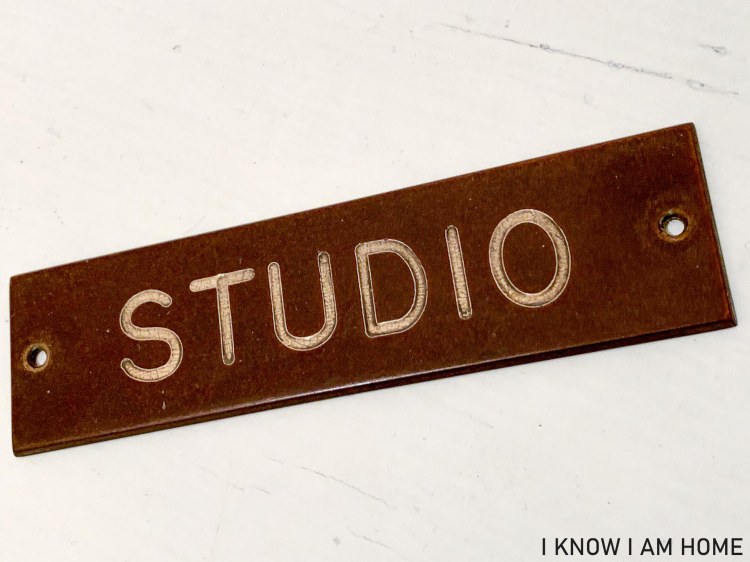
A day or so ago I posted a studio sign, here is more information on the origin of the sign.
This sign used to grace the door of Lilian’s studio on High Barrass, Staithes
Lilian Colbourn (1897 – 1967) was an artist known for her energetic and expressionist paintings and drawings. She spent happy years living and painting in the North Yorkshire fishing village of Staithes.
Painting in a few studios in the village, one being Sunnyside in Elliot’s Yard in Staithes.
Lilian’s paintings have been exhibited in London at Messum’s, with the last exhibition in 2004. Reaching acclaim in the 50’s and 60’s, because of a lack of gallery or individual promoting her work, she then slipped into relative obscurity.
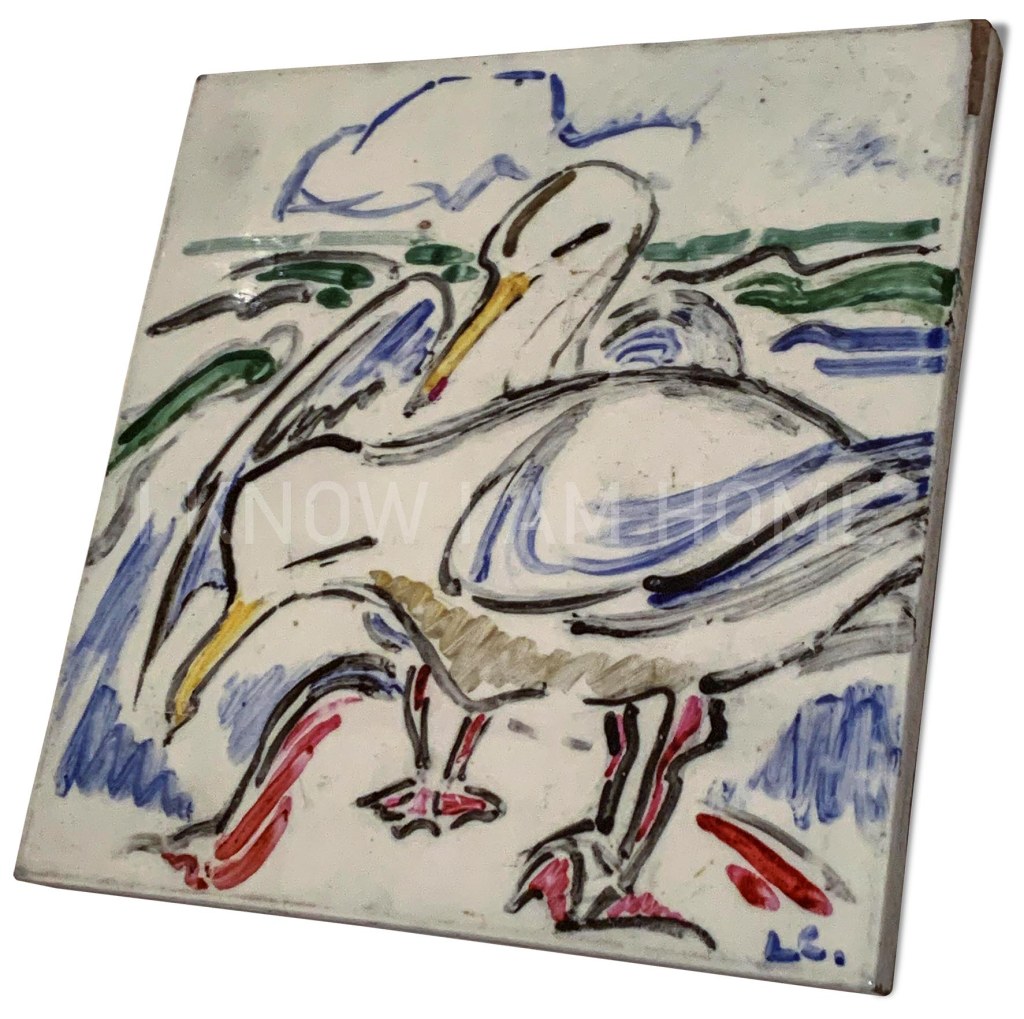
I am privileged to be friends with Lilian’s daughter, and to have been able to look at some of the many items she retains of her mother’s work, including emotional oil paintings and sketches, and items relating to her life. I illustrate some tiles which were painted by Lilian in the village.
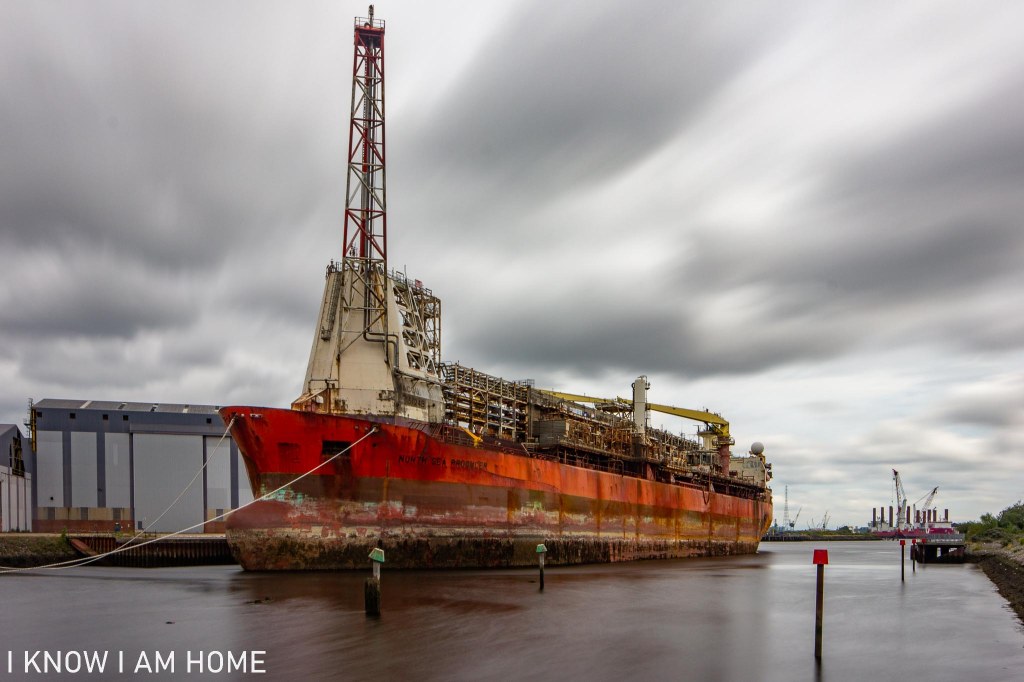
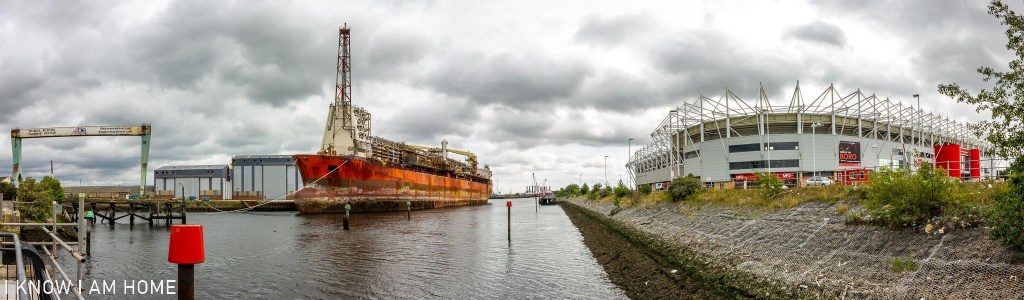
Floating Production Storage and Offloading (FPSO) vessel North Sea Producer returned to the River Tees, after an 18 year absence, in 2015. Previously Dagmar Maersk it was completed in 1984 as a product carrier. It came to this point on the Tees in 1996 to be converted into an FPSO. Becoming a prominent sight to those attending football matches at Middlesbrough’s Riverside ground, even appearing on the coverage of a match. UP THE BORO
In 2015 however the future was uncertain, the ship owned by a partnership between Maersk and Odebrecht was redundant when her work was done in the McCulloch oilfield.
By no means do I support or not support any assertions made on these sites, but I do believe that when a proven company such as Able UK were a stones throw from the Tees, who have dismantled a number of ships and oil platforms and associated materials it would have been the obvious and safest choice, especially if the end game for the North Sea Producer was recycling. It would have also enriched local employment.
Considering there is independent evidence that child labour is used in the shipbreaking yard in Bangladesh, I don’t feel profit should ever be put before lives.

 I KNOW I AM HOME