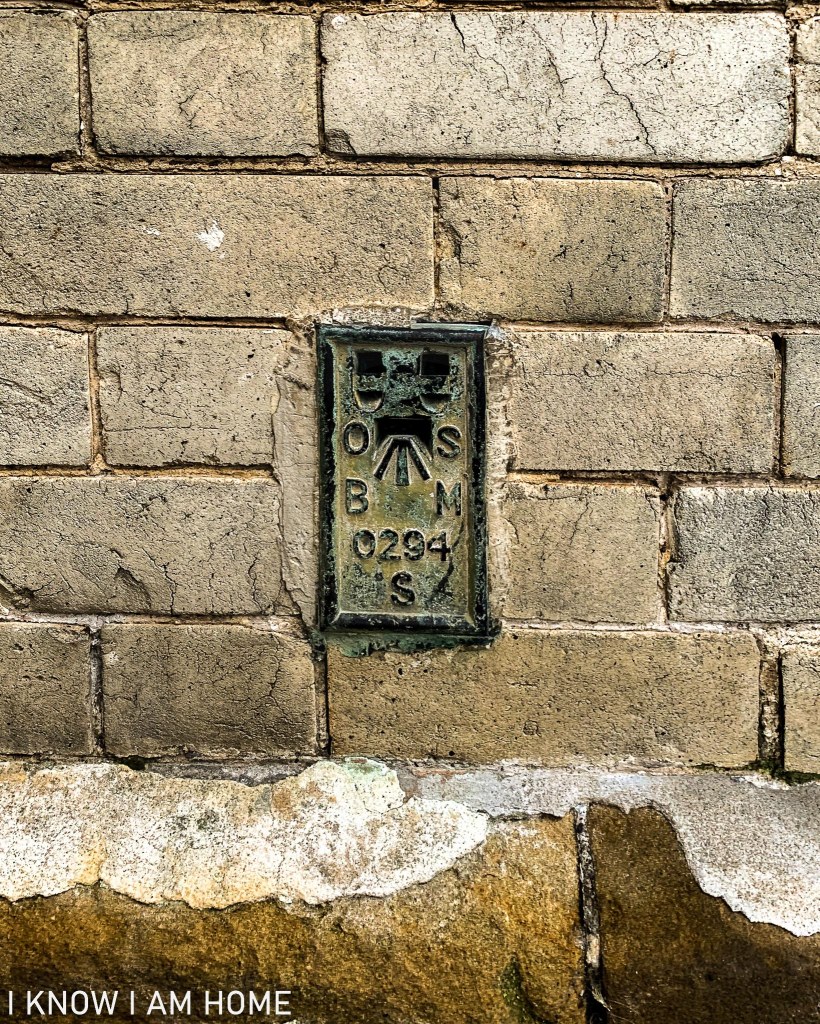
This is a flush bracket (so called as they sit flush with a building or post) OS benchmark, the benchmarks were a means of marking a height above sea level. Surveyors made the marks to record height above Ordnance Datum Newlyn (ODN – mean sea level determined at Newlyn in Cornwall).
This quite rare survivor is on the walls of Saltburn Railway Station. Modern cartographic techniques and a digital mapping system have rendered these benchmarks all but obsolete.
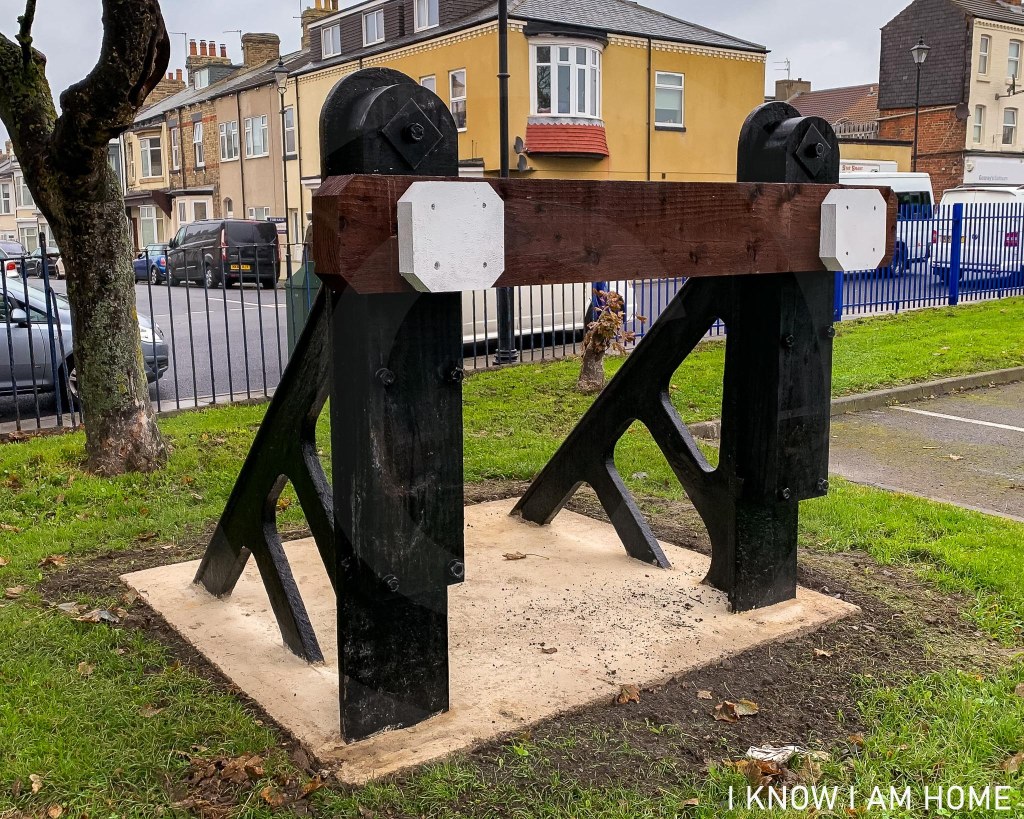
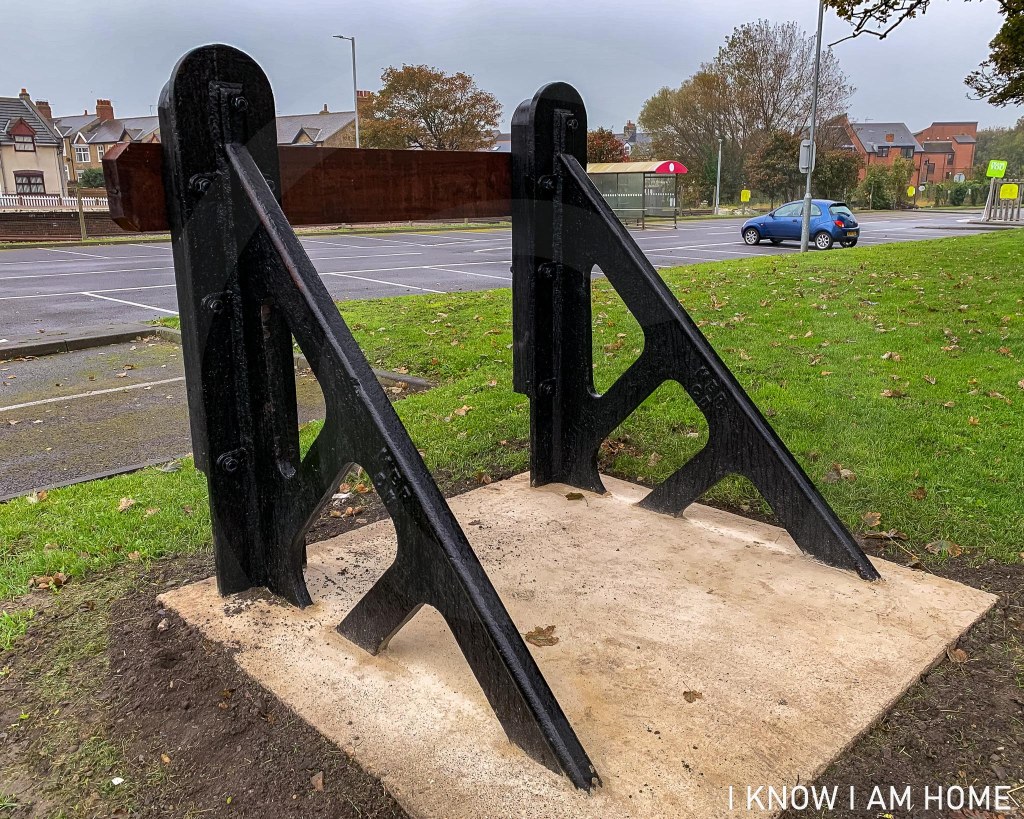
Quite recently in the car park of Sainsburys in Saltburn the North Eastern Railway (NER) buffers which were adjacent to Dundas Street and the current platform have been set in concrete. I had wondered where the metal castings had got to when Network Rail were conducting work on the tracks here a while ago. Saltburn in Bloom have been key to them being restored, by Marske Fabrications, and have been placed here as a memorial to the railway heritage of Saltburn.
These castings date from around 1861, NER buffers started to be constructed from rail after this date.
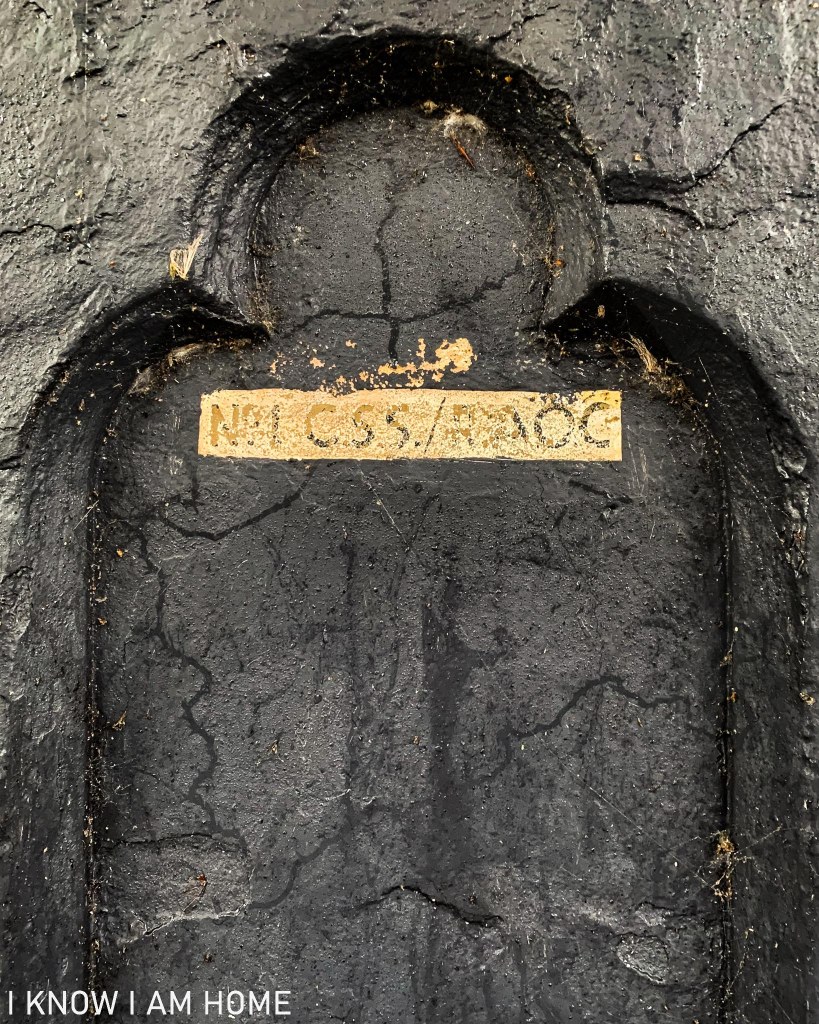
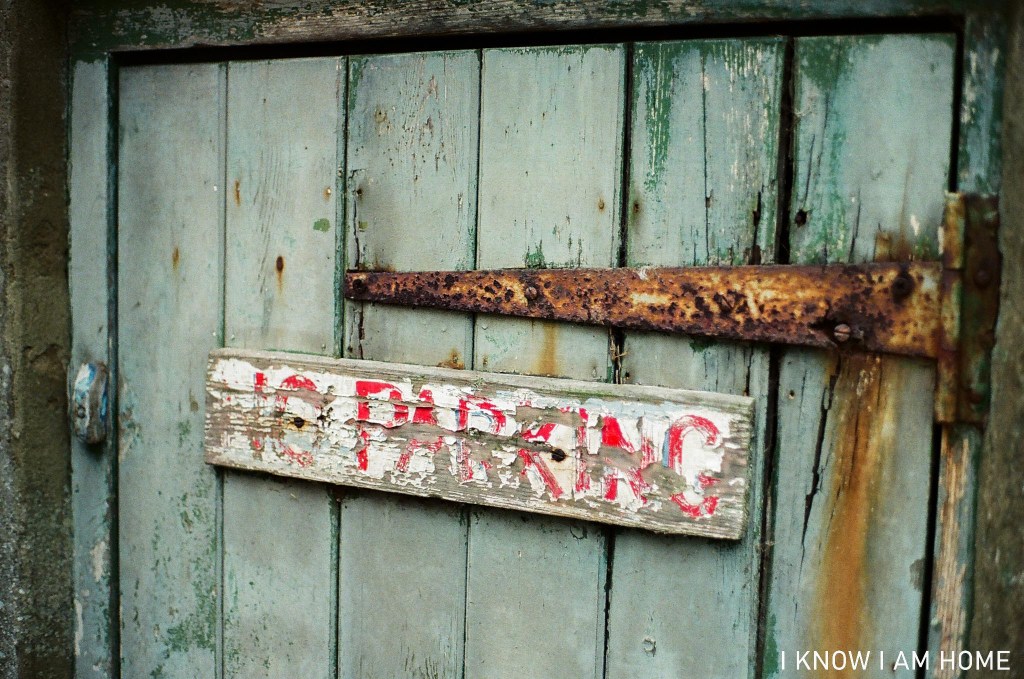
A few years ago a change of ownership revealed this on a shop on Durham Road in the Newtown Area of Stockton.
Ralph Spark & Son’s is perhaps more known for the marvellous art deco “Daylight Bakery” office building on Bishopton Avenue which is now converted to flats.
The images in this post from a wander along The Black Path were taken on the unusually rated Washi D film (ISO 500), this film’s origins are that of Russian surveillance film.
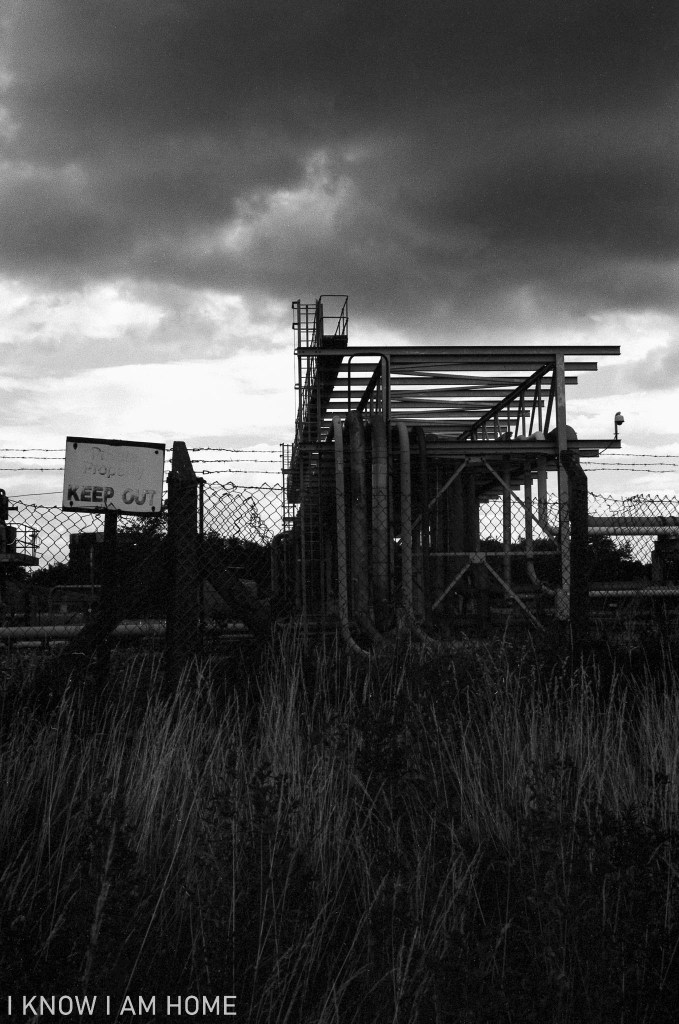
Unwelcome, The Black Path Minolta X-300, Minolta 45mm lens Washi D ISO 500
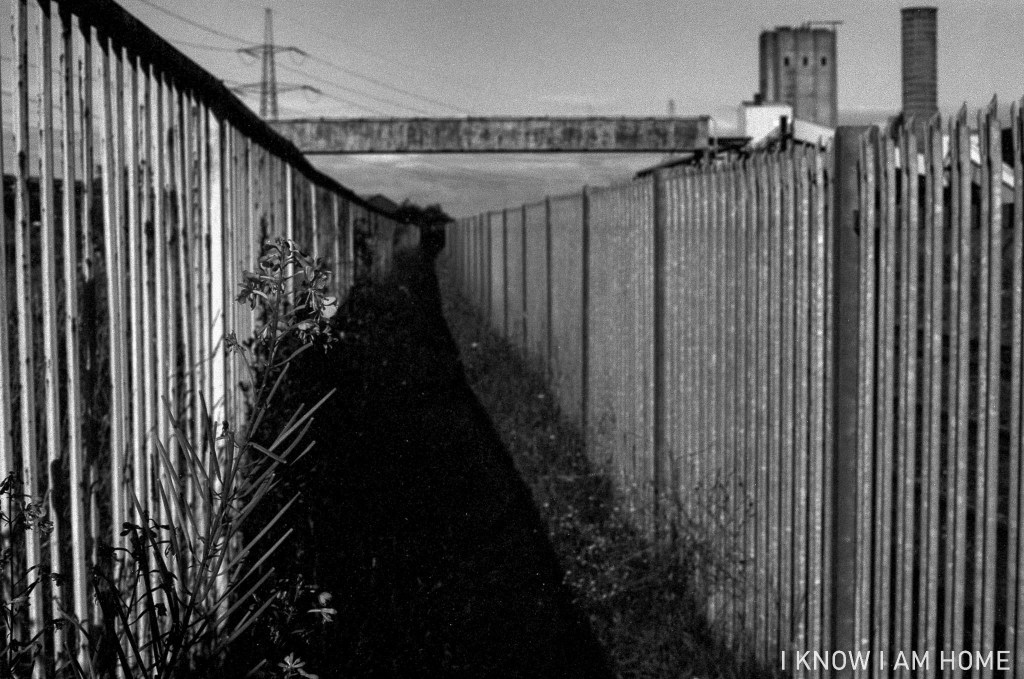
The high contrast and grain of the film lends itself perfectly to the feeling you get wandering along The Black Path.
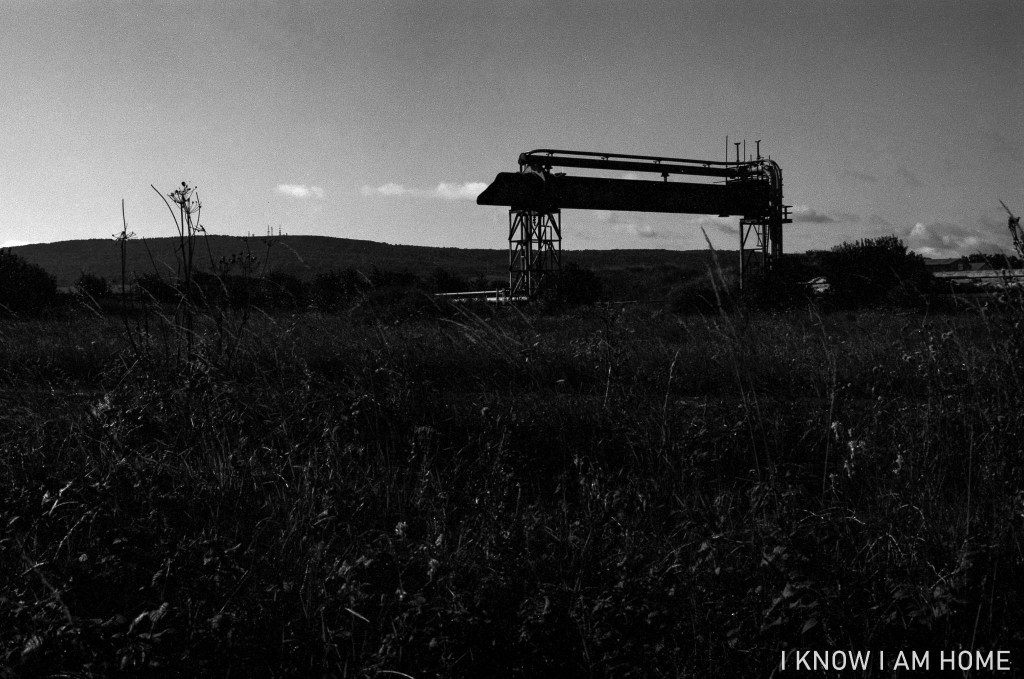
You’re walking, most of the time, with pipes accompanying you…
From nowhere, The Black Path Minolta X-300, Minolta 45mm lens Washi D ISO 500
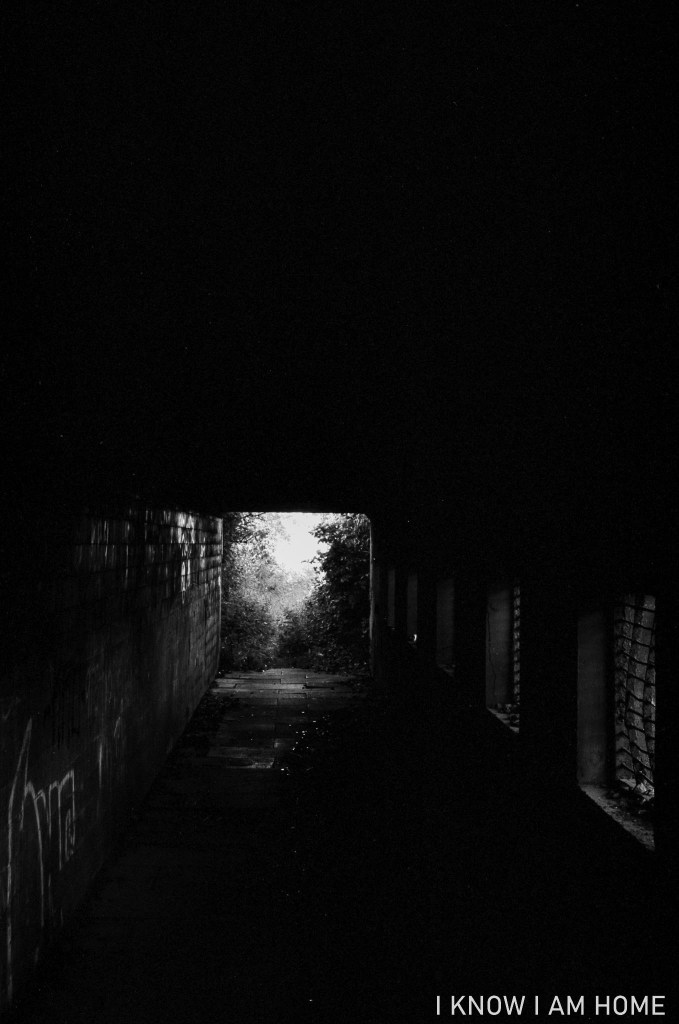
Some of the darkest places are the tunnels by the railway line, with heavy goods vehicles clattering overhead. The sense of many footfalls before yours heading to work in one of the many industries which line the hinterland of the Tees.
Frenzied apprehension. The dark envelops me. Inky shadows. Eery stillness. The Black Path Minolta X-300, Minolta 45mm lens Washi D ISO 500
You’re walking, most of the time, with pipes accompanying you. Covering ground with you, from wherever to wherever.
Broken, The Black Path Minolta X-300, Minolta 45mm lens Washi D ISO 500
Decay is something that follows you around. Be it walls graffiti adorned or barricaded passageways and buildings. It is sometimes the crunch of stone underfoot, and avoiding muddy spots of the path keeps you going.
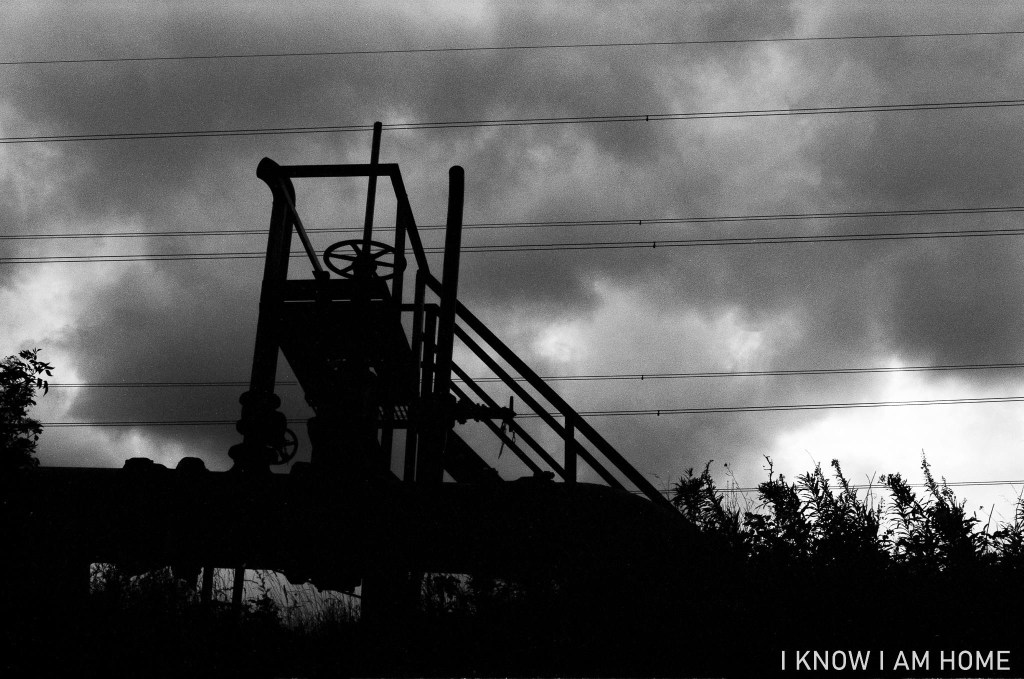
Valve, The Black Path Minolta X-300, Minolta 45mm lens Washi D ISO 500
You’re kept away from some areas by fencing and stern warnings of dangers.
Fenced in, The Black Path Minolta X-300, Minolta 45mm lens Washi D ISO 500
Beauty is here though.
You don’t even have to look that hard for it.
Nature in the summer months proceeds your stride. With moths and butterflies heralding your influx into their habitat, fluttering a few paces ahead, only to do the same again as you progress along the path.
Rosebay Willowherb, grasses and other wildflowers line the pathway. Butterfly bush and thorny plants brush and graze your extremities as you try to make the pass.
The Black Path Minolta X-300, Minolta 45mm lens Washi D ISO 500
There’s just something about Staithes as a place. It’s a place that has captivated me since I was younger.
It’s a magical place and a place where I’ve spent an awful lot of time.
One of the many wonderful things about Staithes is things that may seem unattractive in some places take on a whole new artistic and delightful quality. Purely and simply down to, I think, the nature of the village. Such as this scene taken on film in early 2020, before the lockdown.
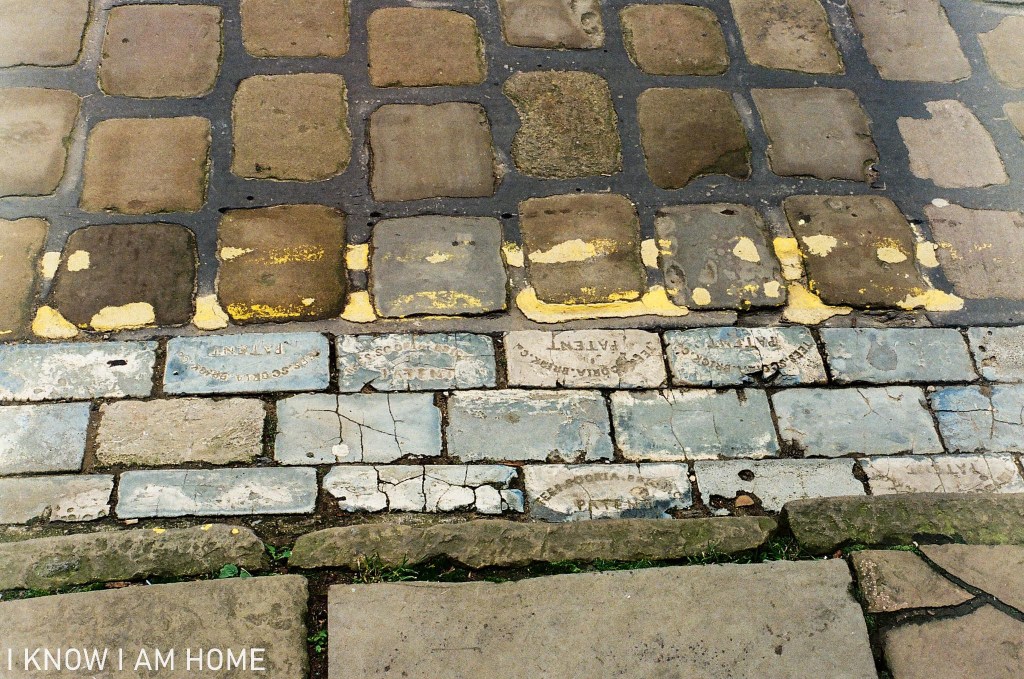
Created from the slag produced in the steel making process, the waste at the bottom of the blast furnaces was initially used in order to create land mass in the more boggy areas of a burgeoning industrial Teesside. Then it was removed and used to create walls on the River Tees.
It was then used to form a rudimentary insulating product.
Darlington’s Joseph Woodward in 1872 formed the Tees Scoria Brick Company and was turning the slag into these distinctive shiny grey-blue bricks. They were fired for three days and formed the durable, waterproof and chemical proof bricks which still line many roads in the Tees Valley.
These bricks, from the company are some of the more plain items produced, there were some beautiful ornate designs including double hexagonal designs which locked together.
The company went bankrupt in the 1960’s and was wound up formally in 1972.
This is certainly the most stamped bricks I’ve seen in a “gutter” setting, and they sit opposite the former Post Office in Staithes, now the Kessen Bowl.
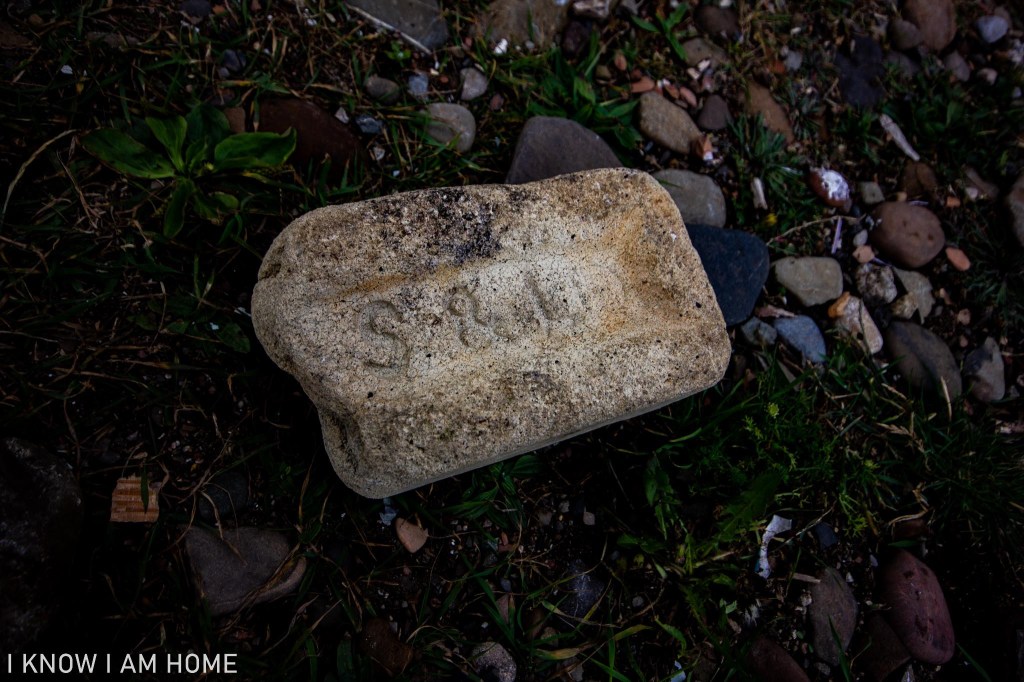
I found the water smoothed remains of a ‘white’ facing brick today whilst wandering on the shore.
This one was manufactured by Strakers and Love from the Brancepeth Colliery Brickworks in County Durham.
Strakers and Love had collieries at Brancepeth, Brandon, Willington and Oakenshaw. The partnership between Strakers and Love not only encompasses the collieries but also brick and tile works.
Indeed the transportation of the coal was also part of this concern. Joseph Straker owned an eponymous ship, sadly lost in 1875.
Strakers and Love despite being part of the Durham coalfield in the late 1800’s were headquartered in the Collingwood Buildings in Newcastle, and Joseph had took up residence in Tynemouth.
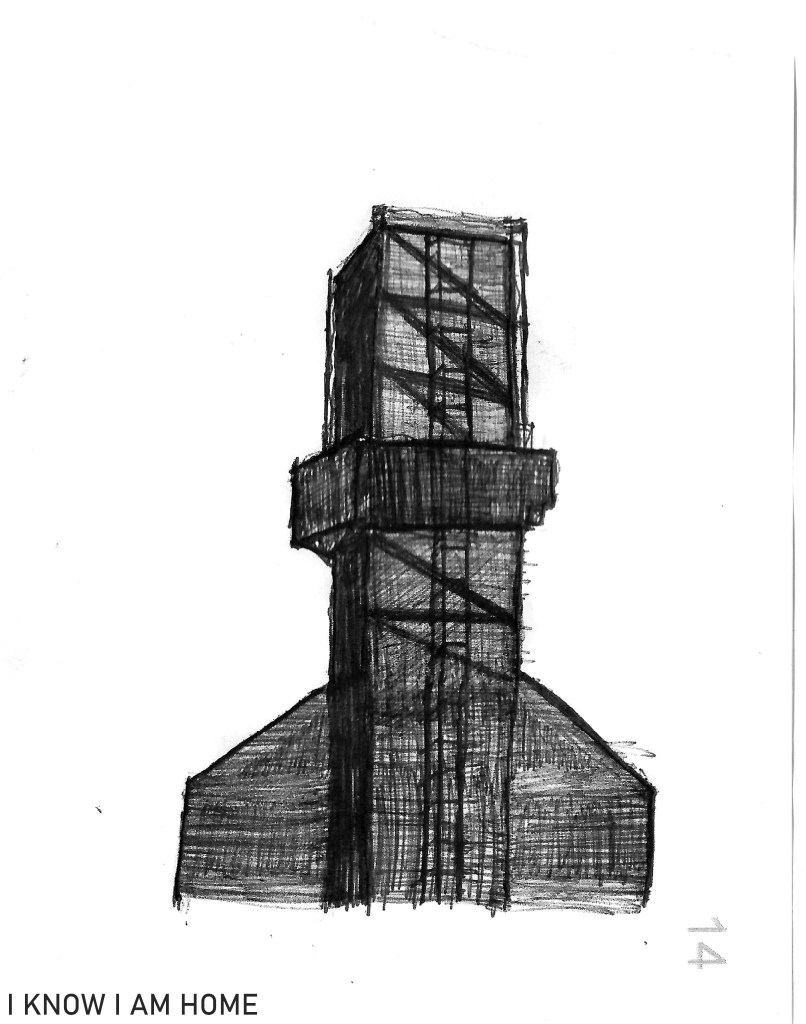
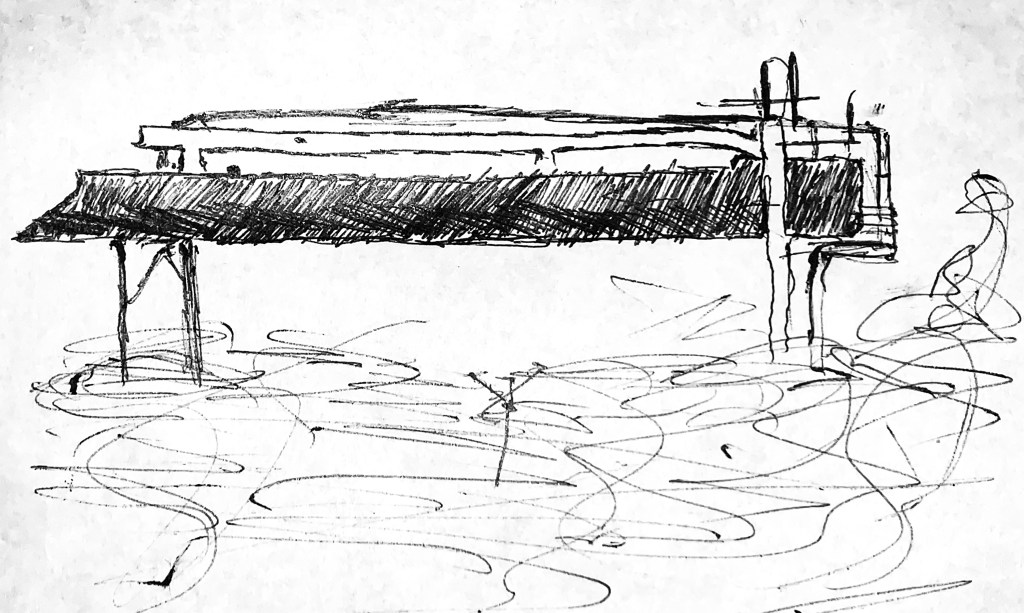
Daft as it may seem, on the railway line between South Bank and Grangetown I have a favourite bit of pipe.
Weirdly shaped and standing quite tall and isolated, it sticks in my mind for some reason. Almost like some long backed lumbering creature, making its way through the industrial land.
So I did a quick doodle one day when I was walking along the Black Path.
It was on the back of an old style “duplicate book” receipt…



 I KNOW I AM HOME