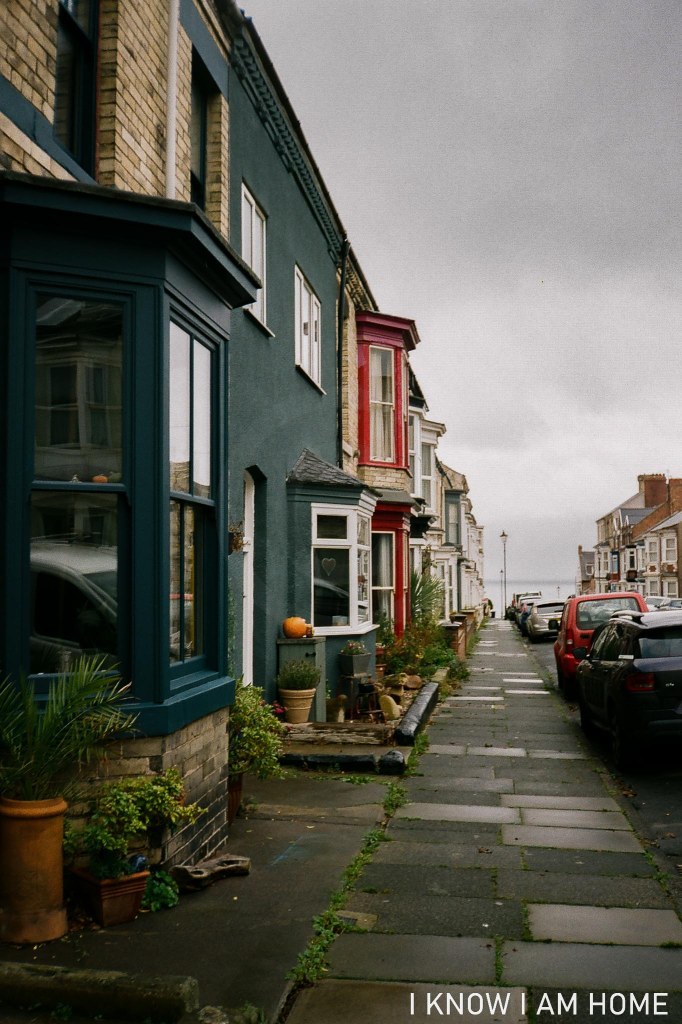
Saltburn by the Sea (18/10/2020)
Minolta AF-DL
Fuji Fujicolor C200
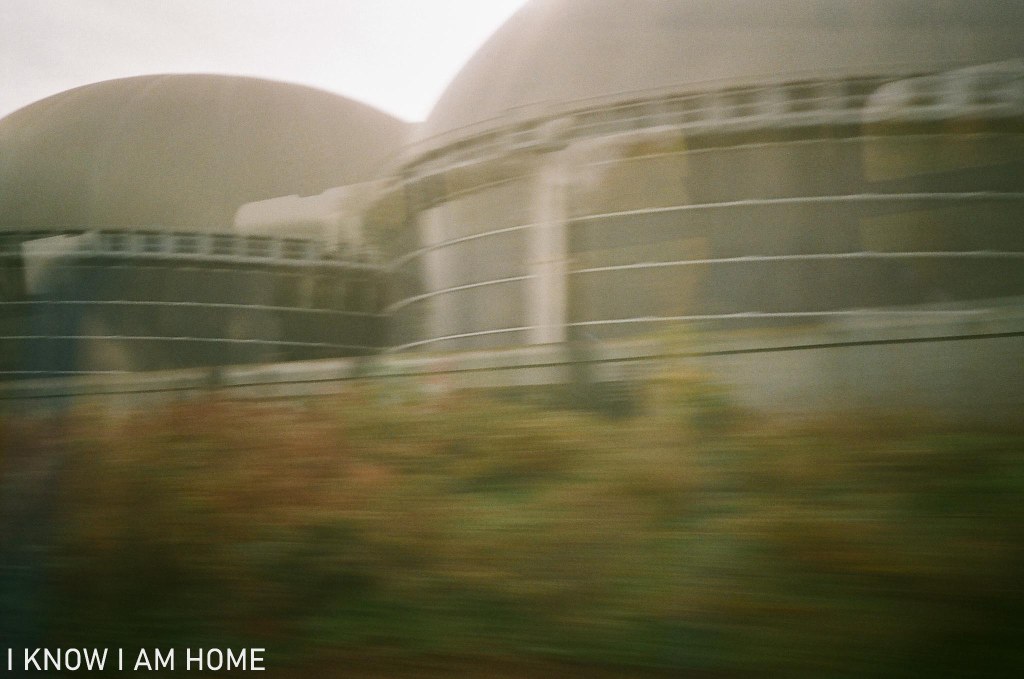
The vantage point afforded by the train, leaving the conurbations, is higher than walking the path. But the scenes are more short lived, your view constantly changing. Your vision darts from one feature to another, with some tall and overpowering features becoming like lumbering beasts. Setting out along the landscape, seeming to keep up with the train for a while, before slowly losing the race…
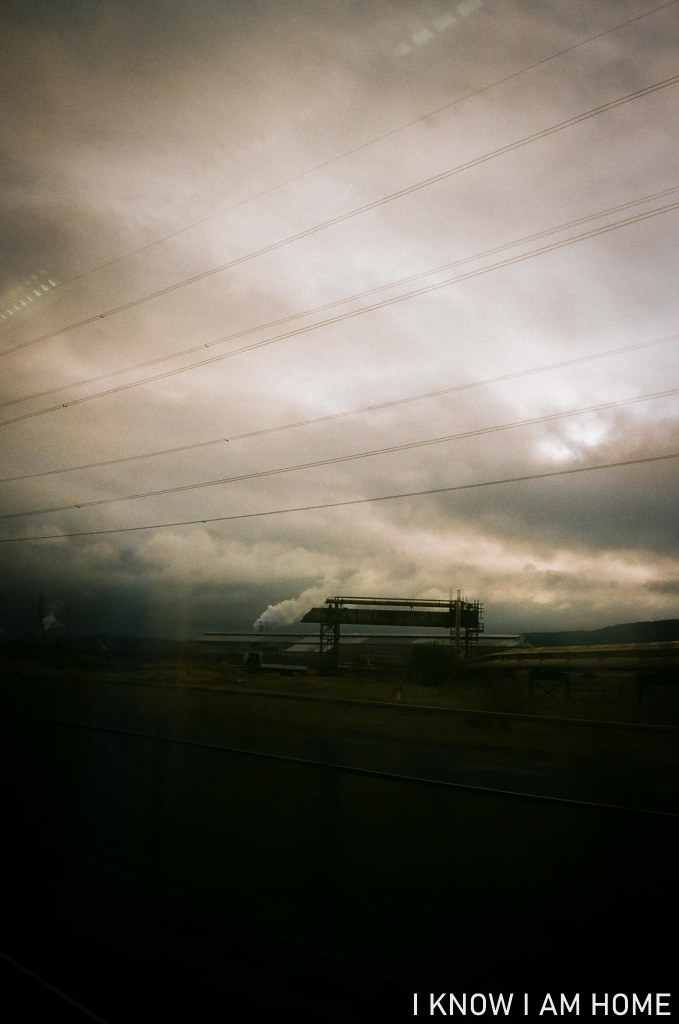
Passing the Black Path and the industrial hinterland of the Tees on the train is how most people see it, a blur…
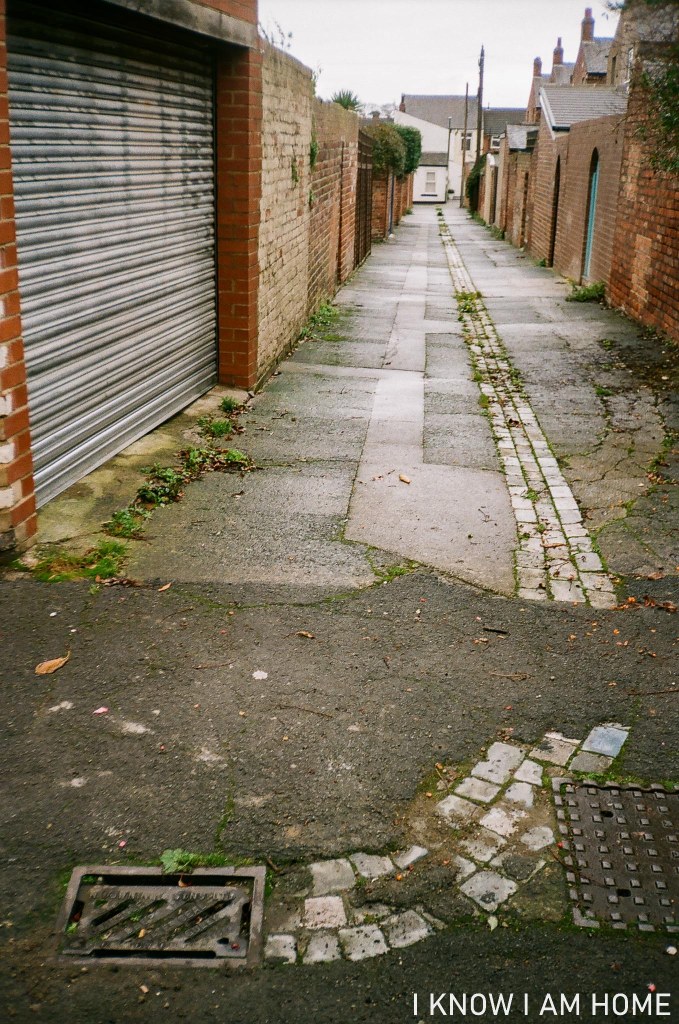
This blue grey brick,
underfoot, under loved.
The court house had 8 cells all on the lowest floor level. The cells were linked by corridors and steps to two of the three court rooms.
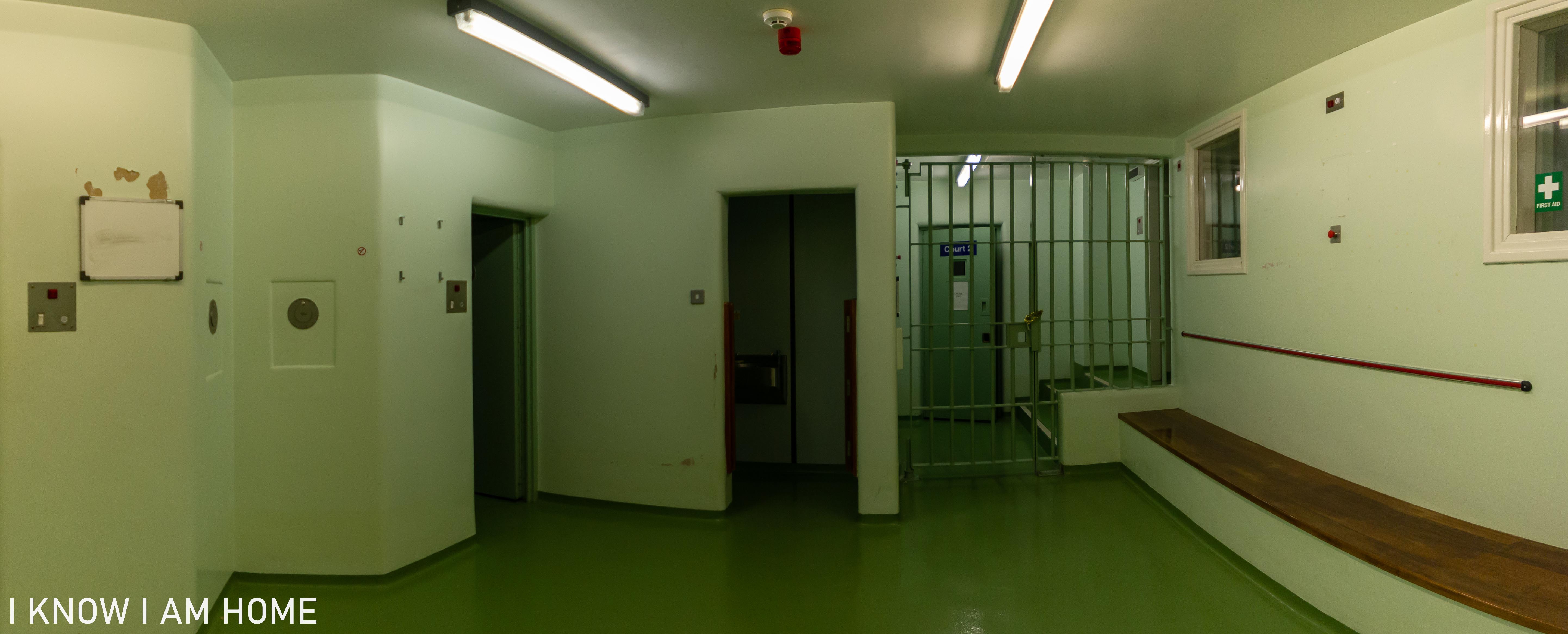
The cell area, with its emergency alarm push strip to the right…
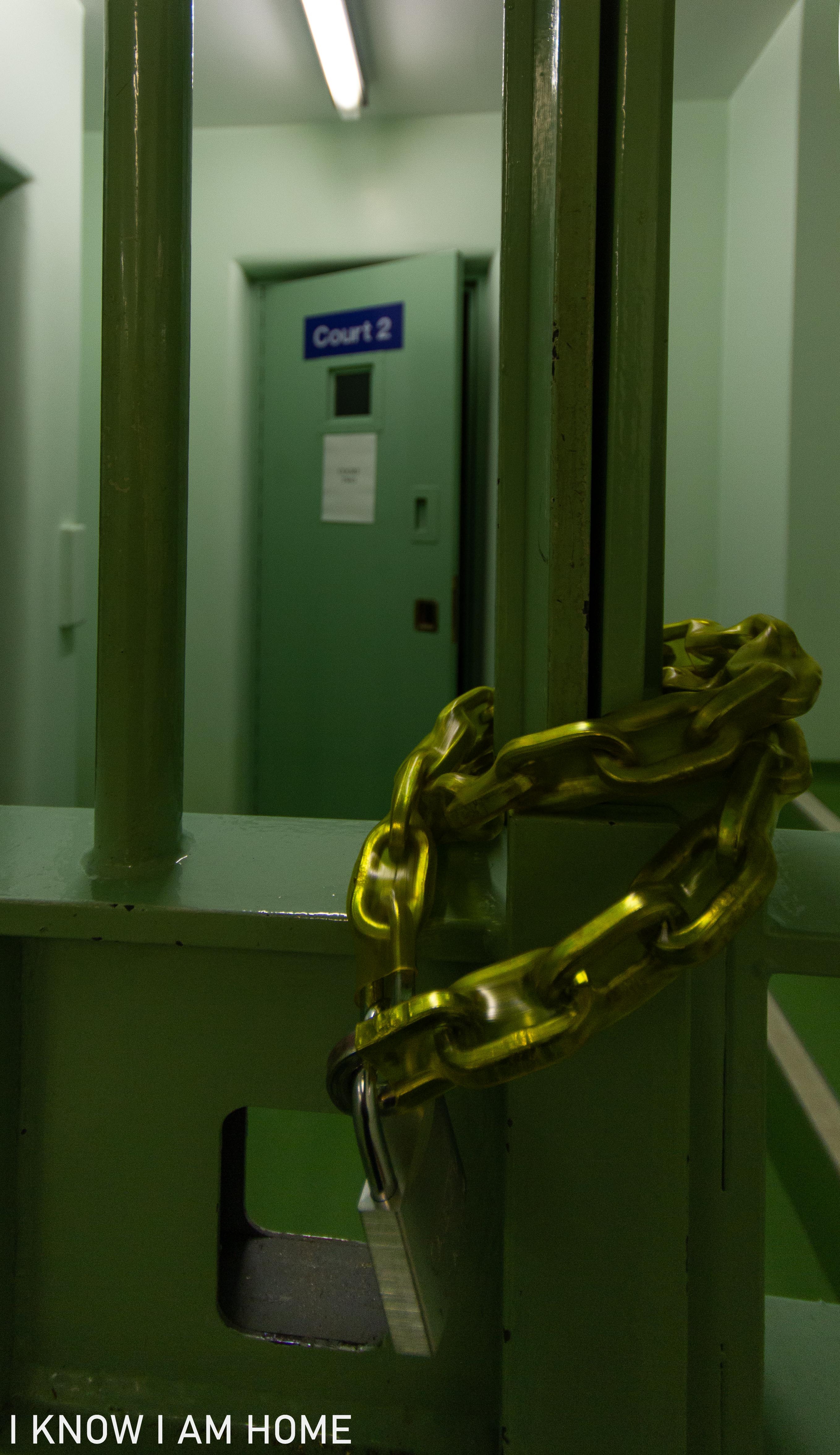
The cell area directly connects to two of the court rooms.
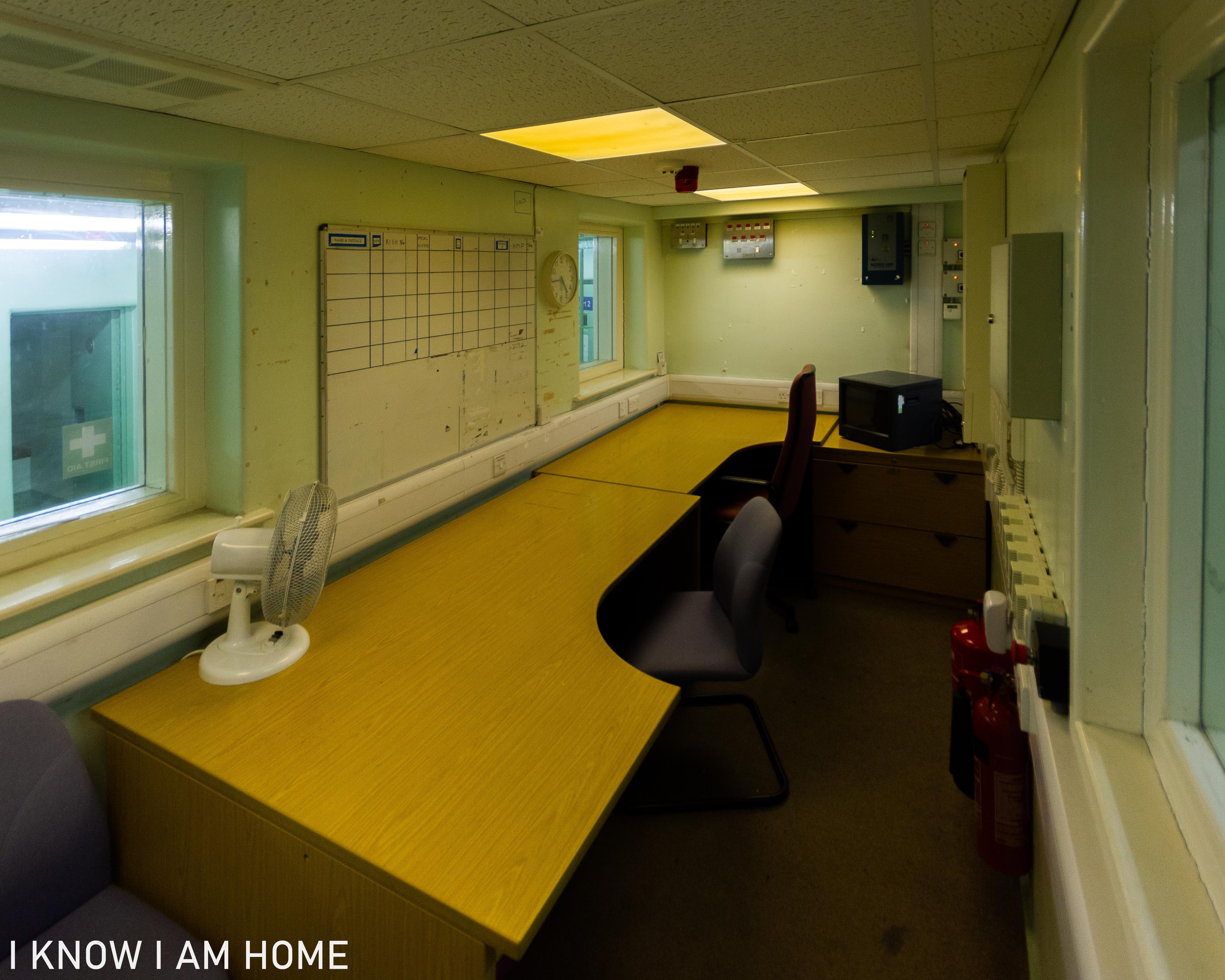
The cells could be observed from this room, again the signs of former use abundant with wipe board, and emergency push button.
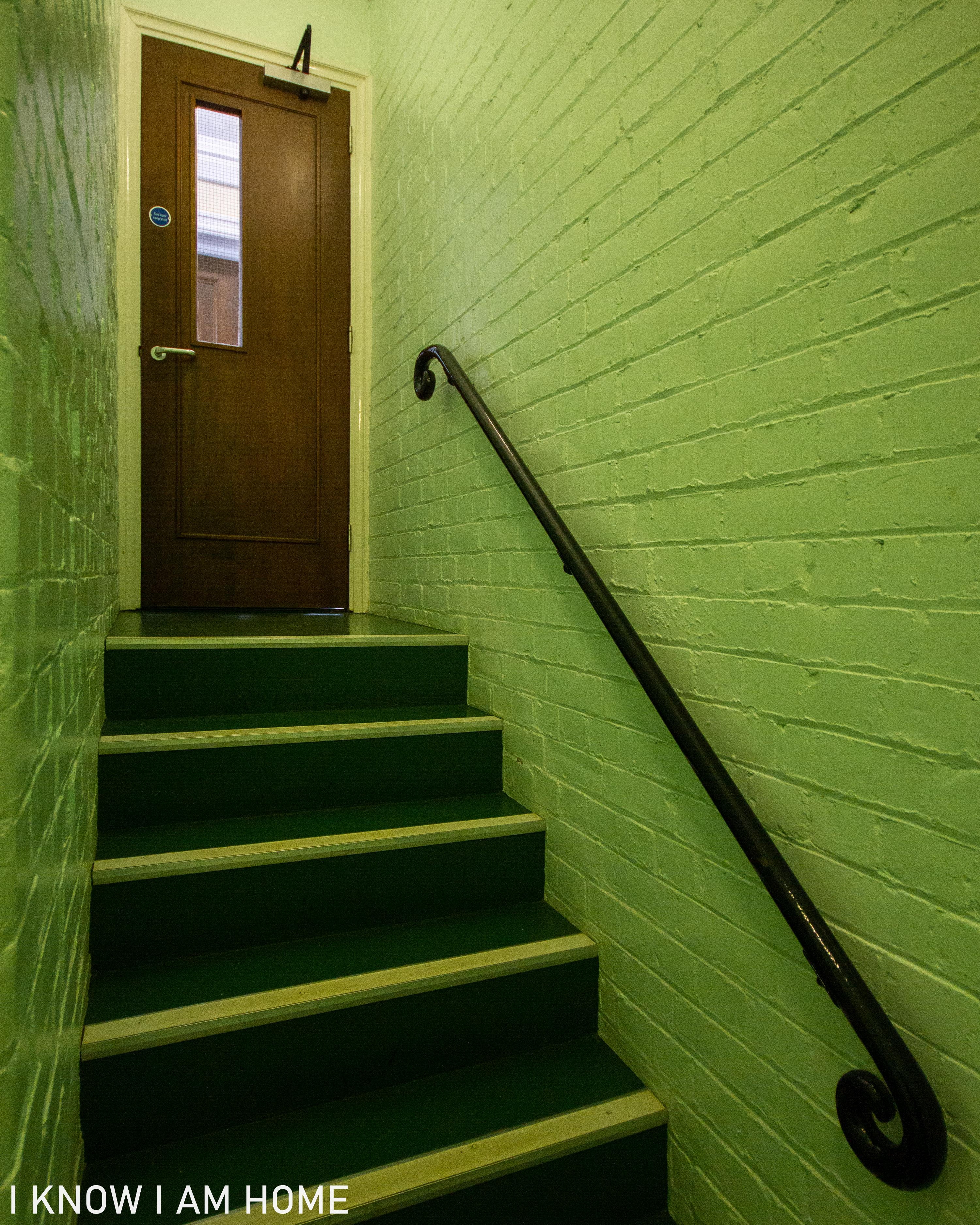
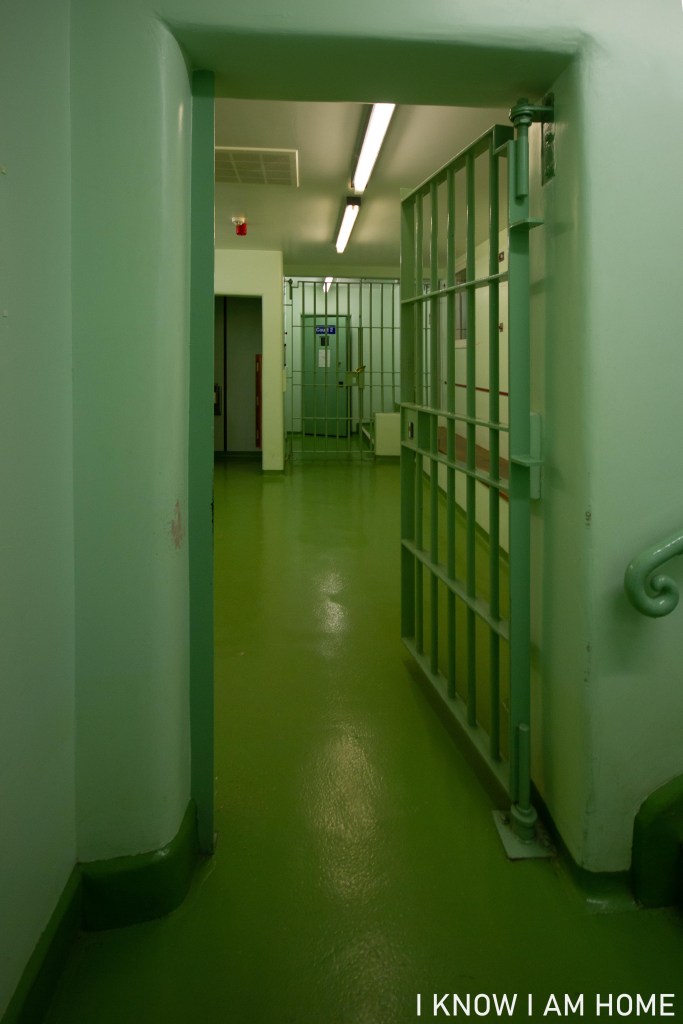
The green colour scheme, almost reminiscent of avocado bathrooms (remember those!) continues in the stairwells and corridors of the building too.
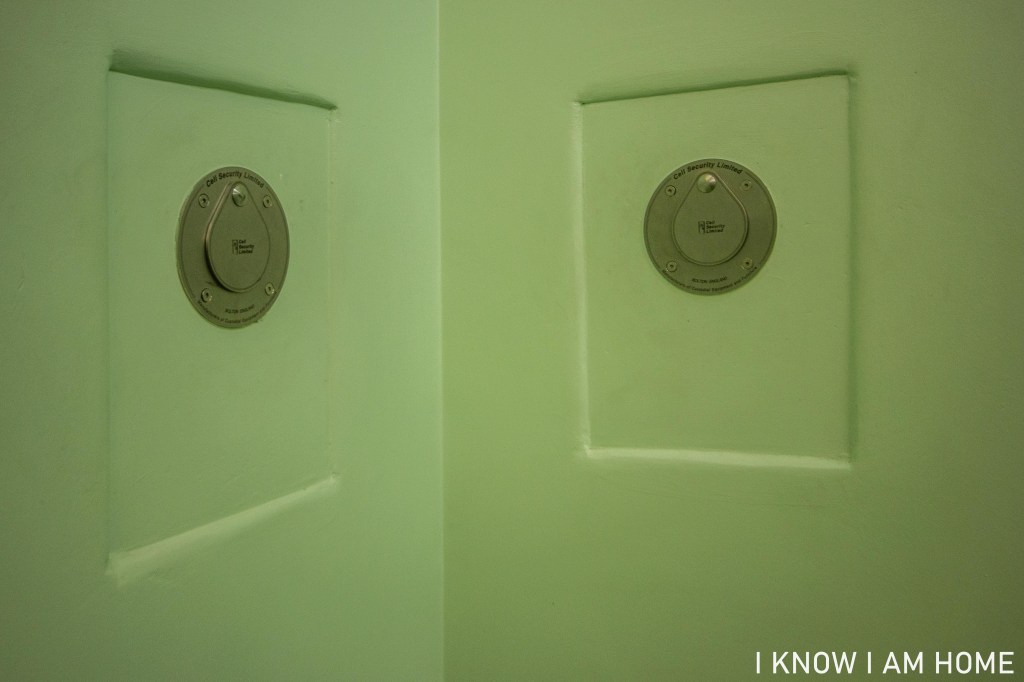
The cells area with green walls and green floor were quite oppressive feeling. But then I suppose they were never meant to be nice.


The main courtroom in the building is mostly original. However above the door and public gallery to the rear there was another gallery.
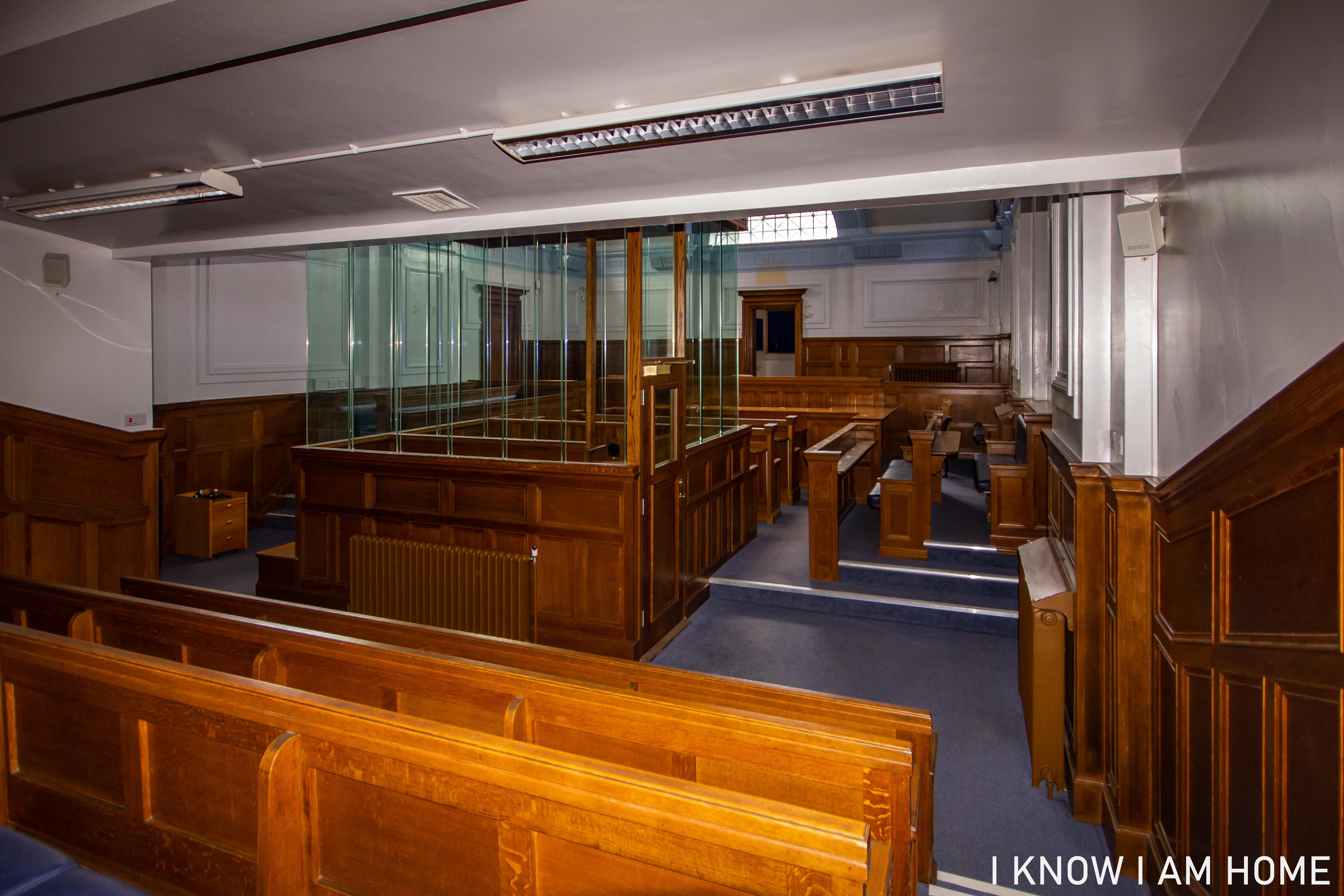
This area of the building wasn’t just used for court hearings however. Special Constables and other Police Officers were also sworn in with ceremonies here.
In the next and final post we will look at the green walled cell area of the court house.
Built in 1936 and opened in 1937 the Court House on Racecourse Lane replaced an earlier magistrates court at the prison site.
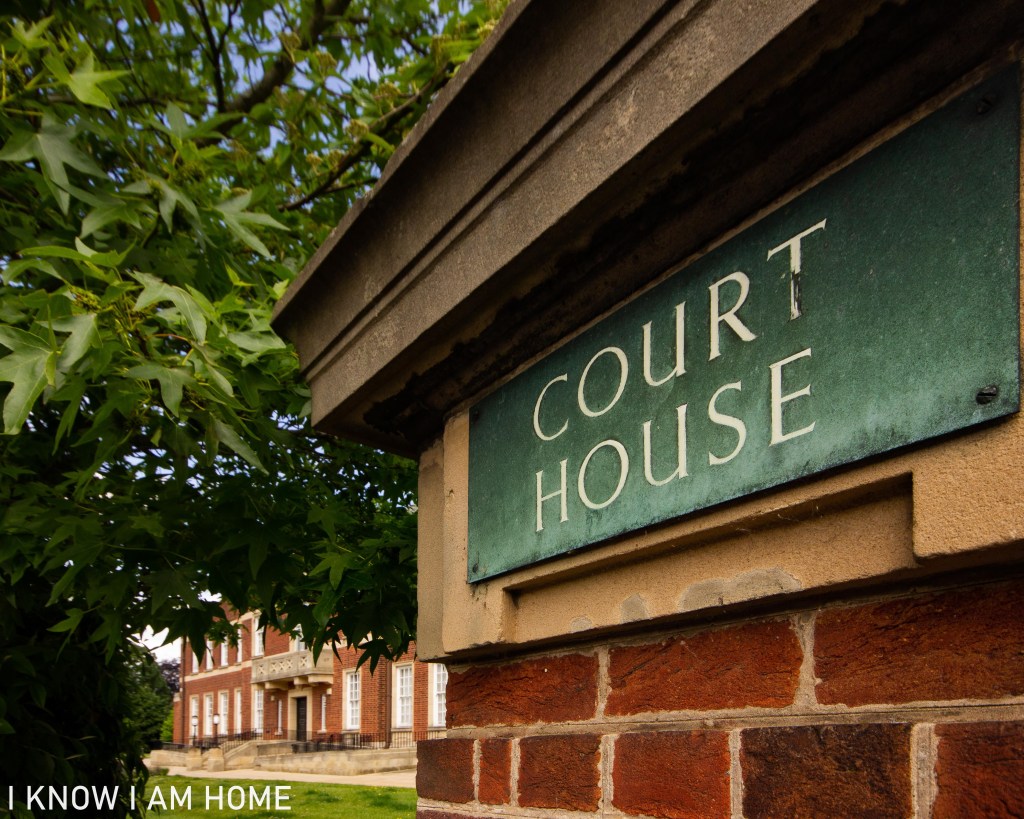
Court Sessions were held here until 2018 when the Ministry of Justice, as part of the modernising of the justice system, decided to close the court here.
Following closure in May 2019, North Yorkshire County Council acquired the building in order to allow for refurbishment of the Grade II listed County Hall which is adjacent on the opposite side of Racecourse Lane.
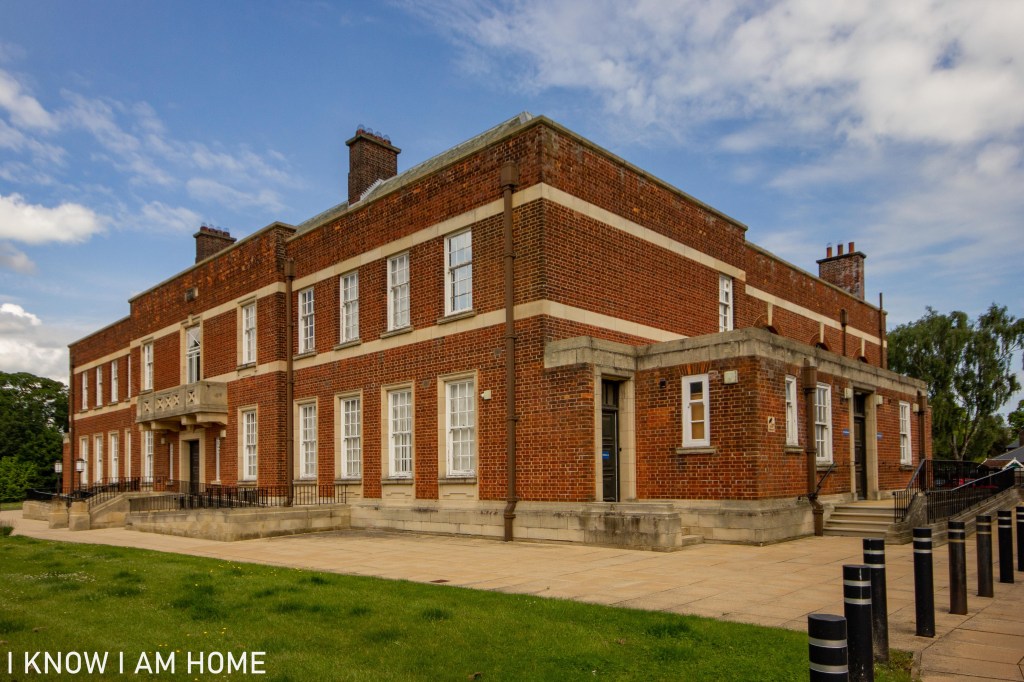
The Court House itself has a certain Art Deco aesthetic from the outside. However inside some delightful interior features betray this more!
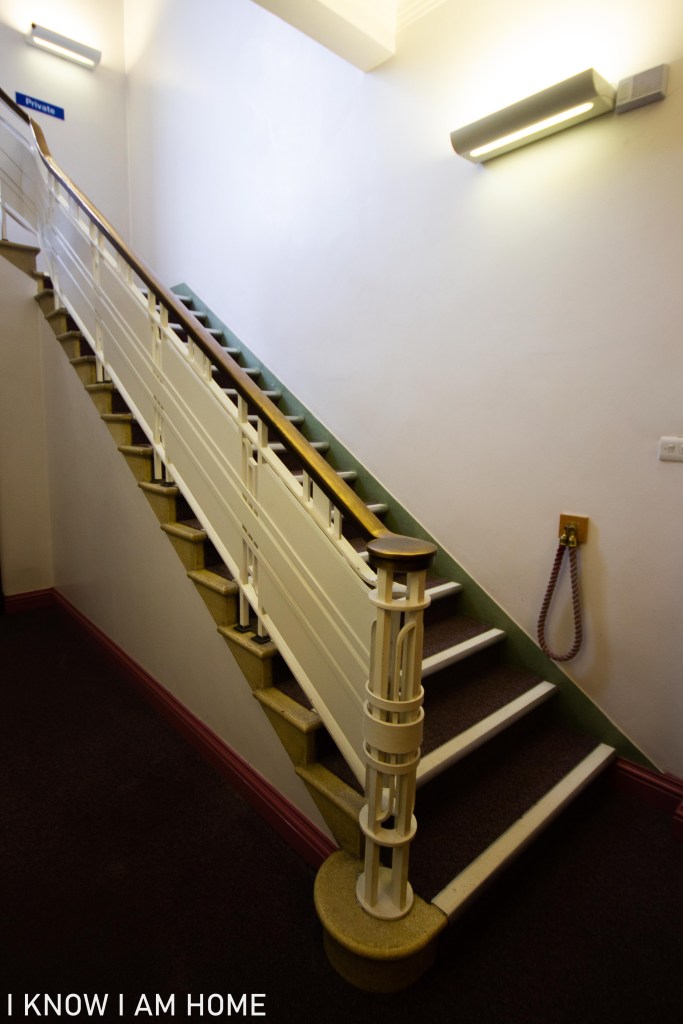
The staircases at the front of the building are a mirror image, and their balustrades with in keeping designed modesty panels with design continuing to the newels typify the lower key Art Deco design principles which were used in such buildings.

The newer addition to the building here can be seen, with the roller door “unloading area” which in this case allows for speedy and safe transportation to one of the Court House’s eight cells.
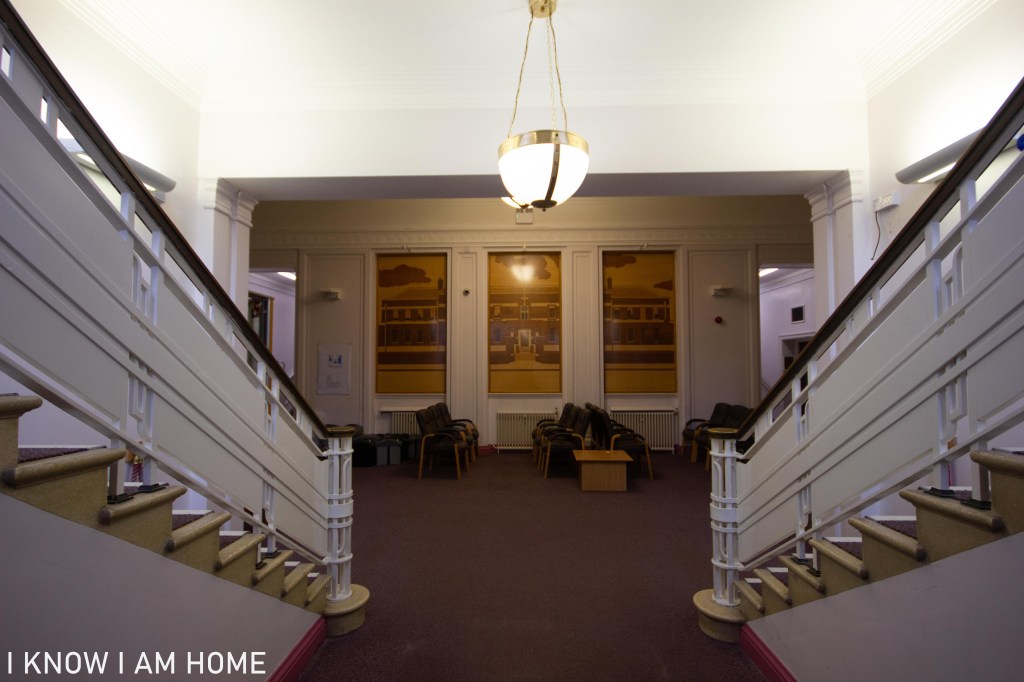
If the “secure” way in looks uninviting with the sterile environment of a roller door and isolation, the main entrance with lead-in lines of twin staircases is the opposite.
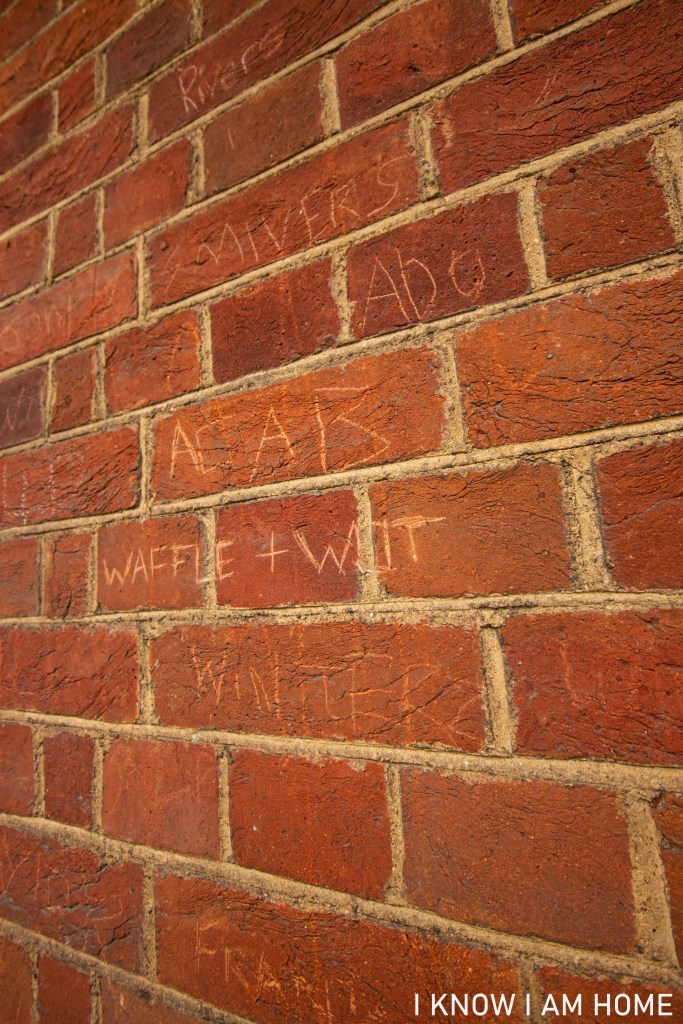
Obviously a lot more reminders of this buildings past remain, aside from remaining signage at the time of the images (before the County Council had moved in) and the above names etched in brick beside what I assume would’ve been the smokers door when court was in session.

In the next post we’ll stay on the inside of the court building – taking a look at the main court room.
Some images from a while ago taken using a disposable camera from the retailer Boots. Though aimed at the ‘vintage loving’ corner of the market, I thought I’d give it a go.
I’m not exactly sure of the film which is being used in the camera. It has 27 exposures, the slight green cast in some lighting leads me to believe it is Kodak film probably ColourPlus 200 or similar.

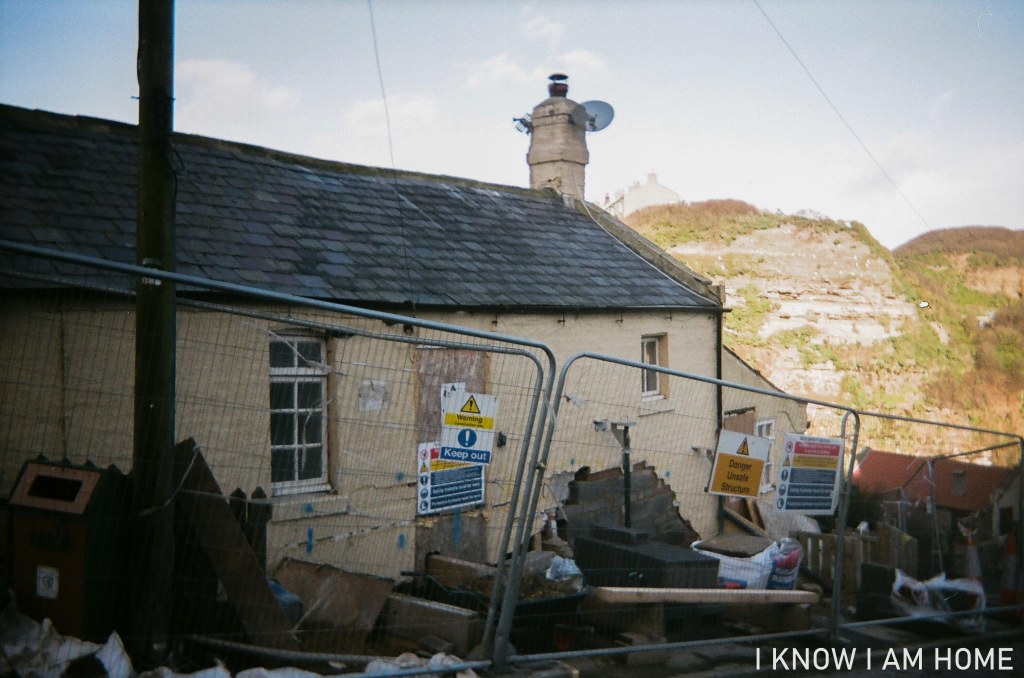
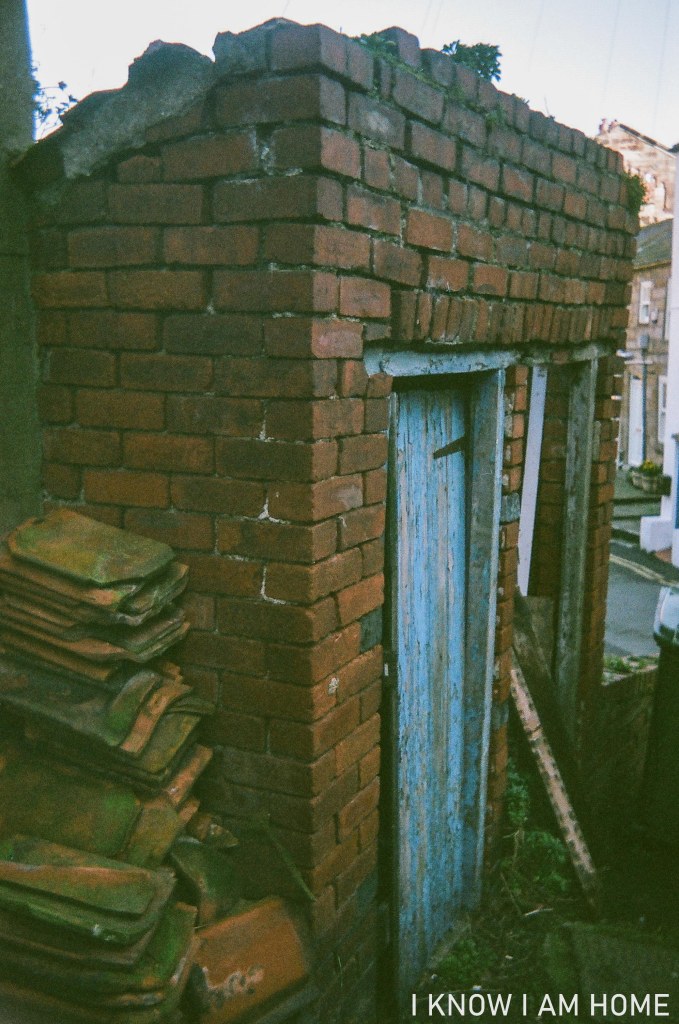
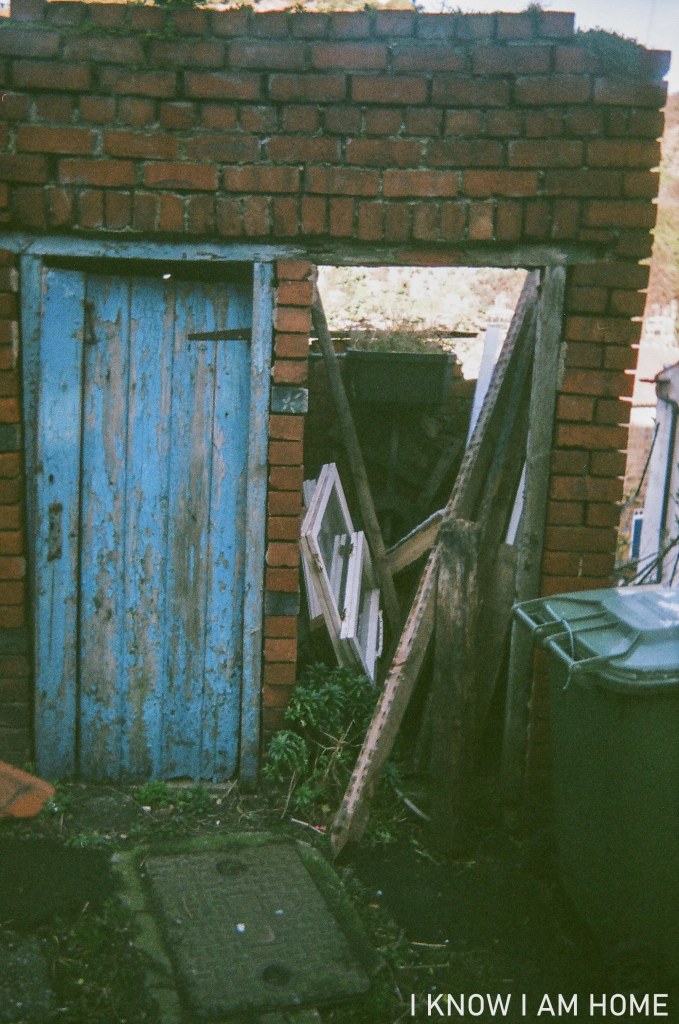
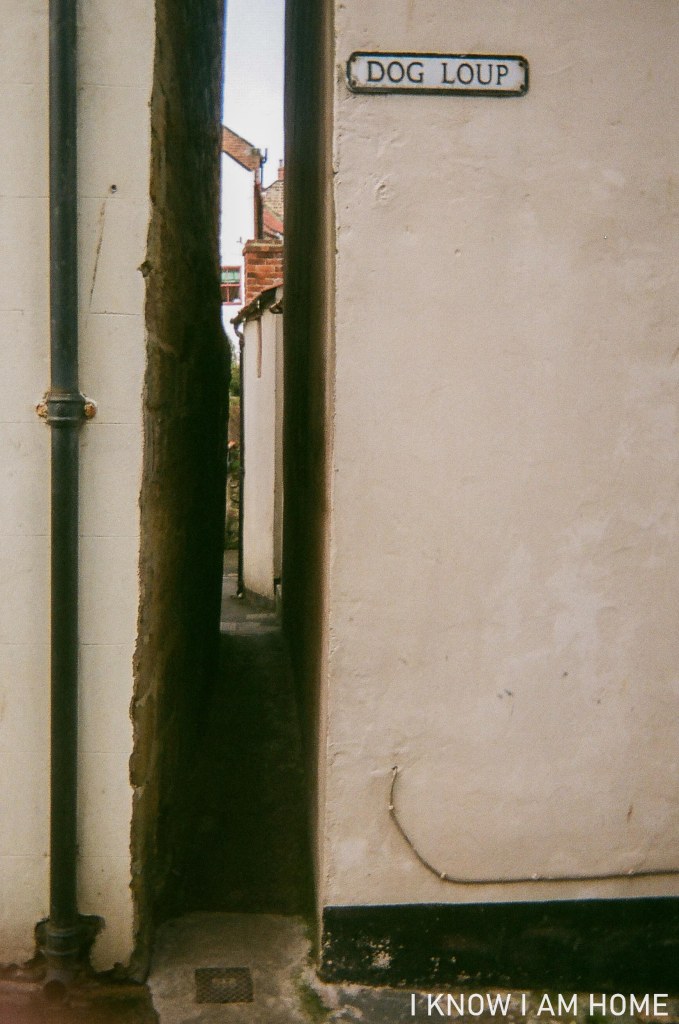

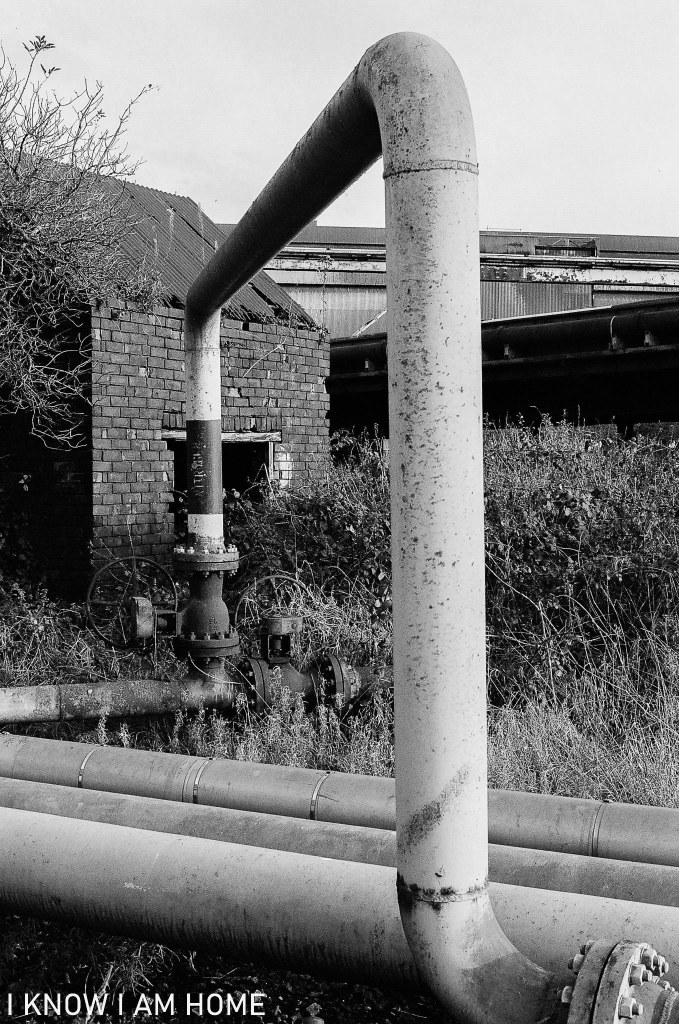
The area which the Black Path forges through has been in the news a lot of late, with talk of dilapidation, demolition and redevelopment.
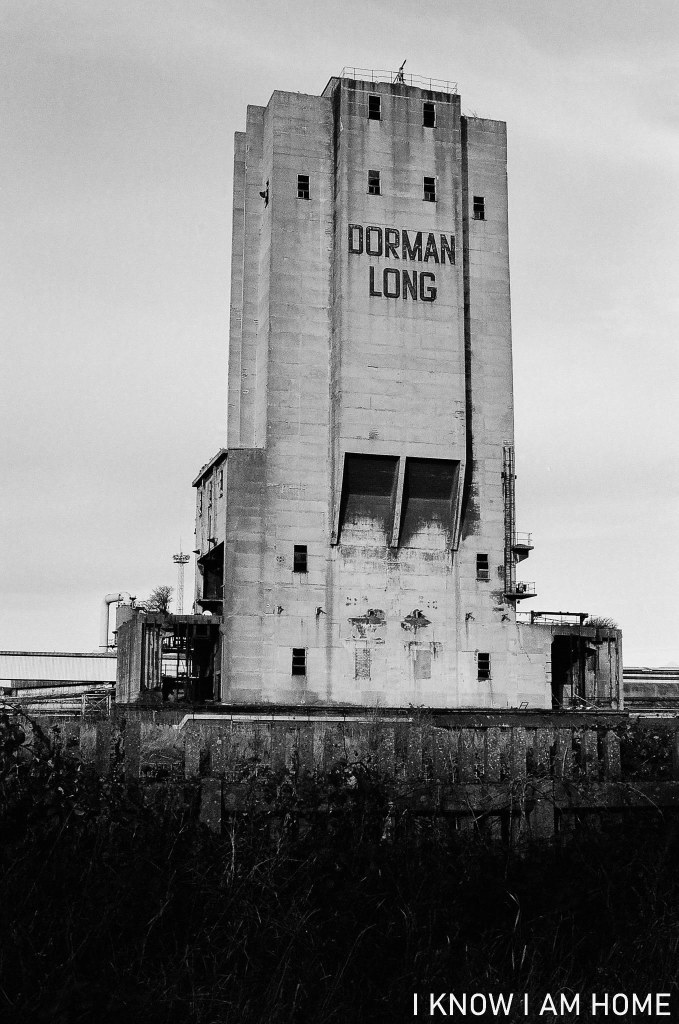
One of the main points is the iconic but dormant tower of the South Bank Coke Ovens. The Dorman Long tower as it’s known is a brutalist icon.
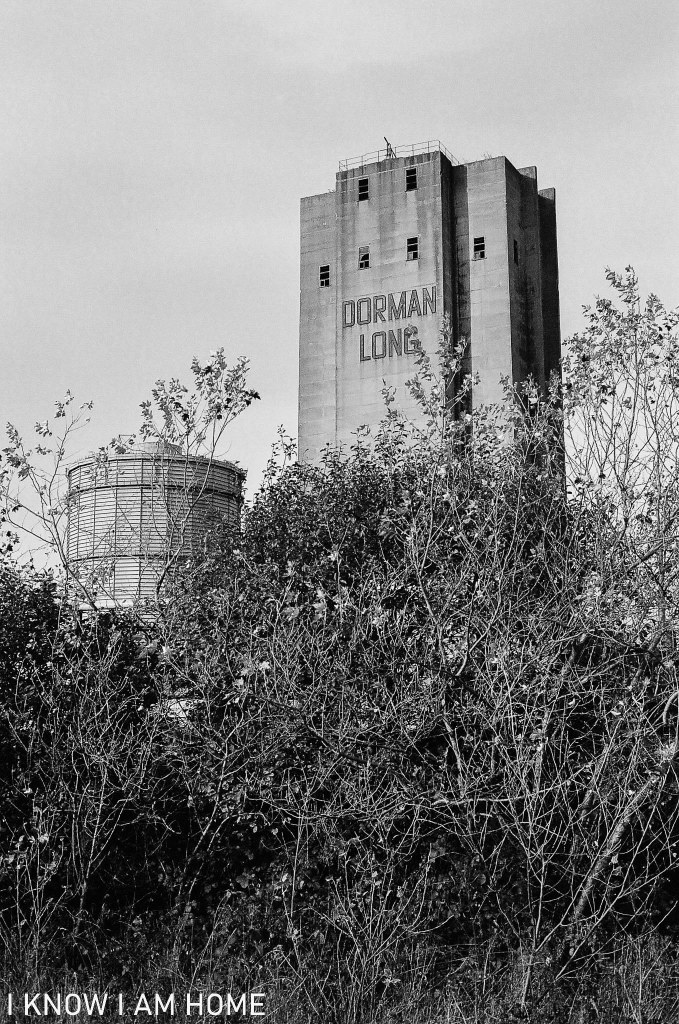
Disused since the late 1970’s this prominent feature of the landscape was a bunker, used to store coal to be turned into Coke. Coke is produced by heating coal in large airless coke oven batteries to remove hazardous composites; the resulting coke is a tough, but absorbent carbon that is used for reducing the iron in a blast furnace. By-products of the process are coke oven gas, tars, and oils. Which in this case was transported from the ovens to nearby locations for processing.
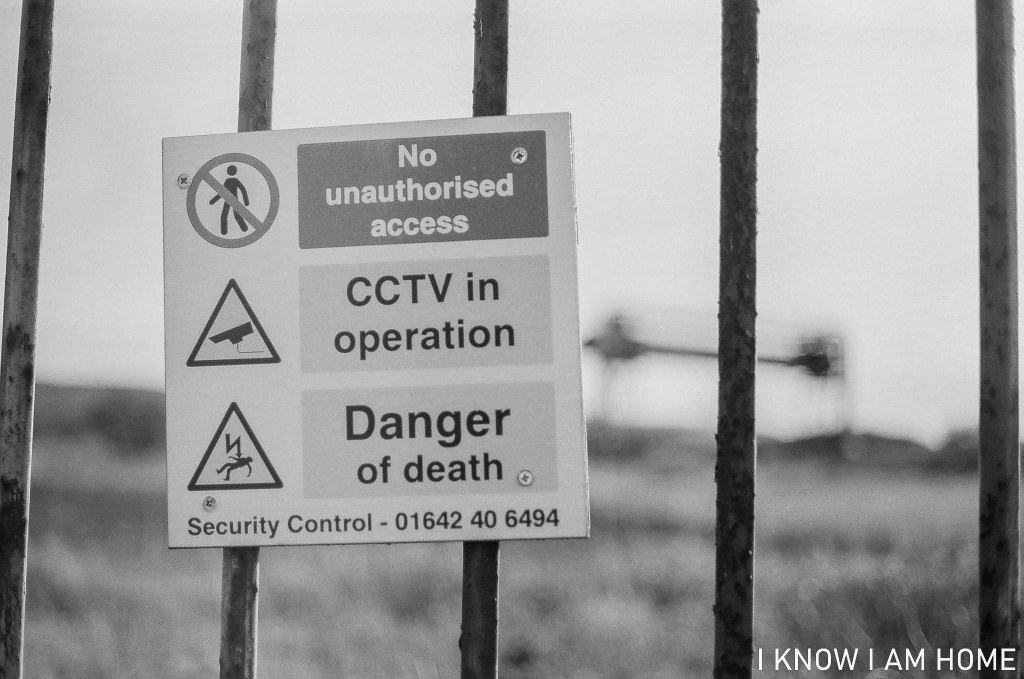
Many people have walked this path, going to and from work.
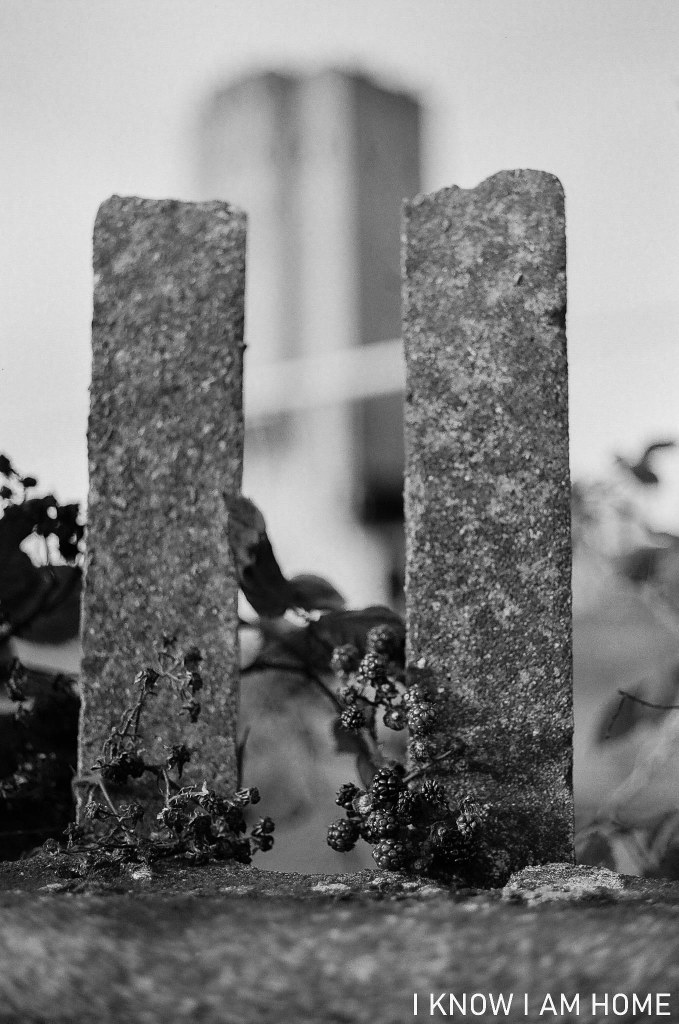
I wonder how many stopped to pick some berry’s on the way home…
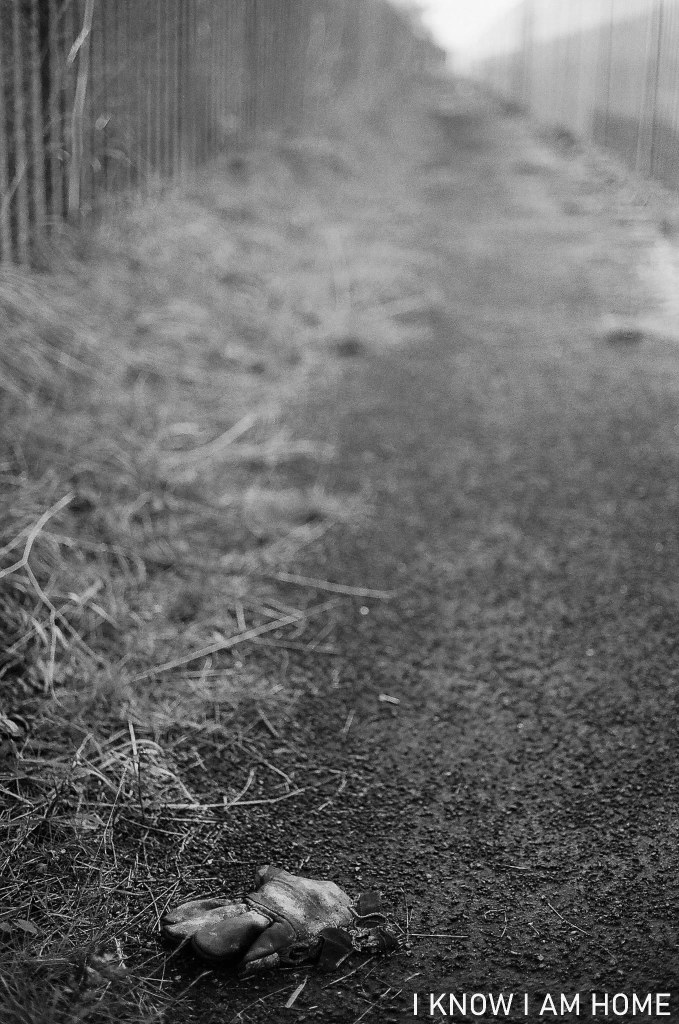
The pipes which lead you along this landscape form a maze, some joining, some ending abruptly, there must be miles and miles of pipework here.

I have a certain small amount of sympathy for those that want all of this gone, that want to move on. I can’t ever put myself in that camp. Something needs to remain of our industrial heritage to remind us of those who made Teesside what it was…

The Black Path and it’s environs are a feast for the senses.
 I KNOW I AM HOME