So I couldn’t ever cover all of the examples in just a post a day.
I’ve also had another walk about and found (thanks to some who’ve commented on my posts when shared on social media) some more alleyways of bricks.
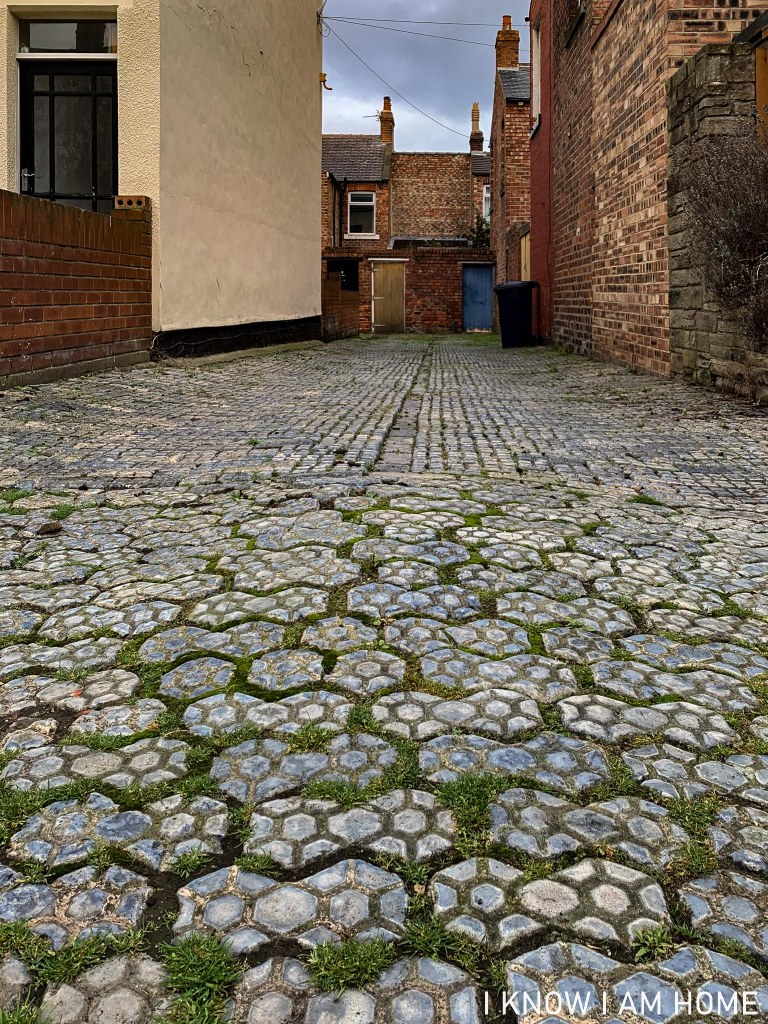
Around the Montrose Street area the back lane between the terraced houses of Oxford and Montrose Street has an abundance of bricks, with the entrance paved in the double hexagonal pavers, and mainly eight division pavers, with a central gutter line of plain pavers.
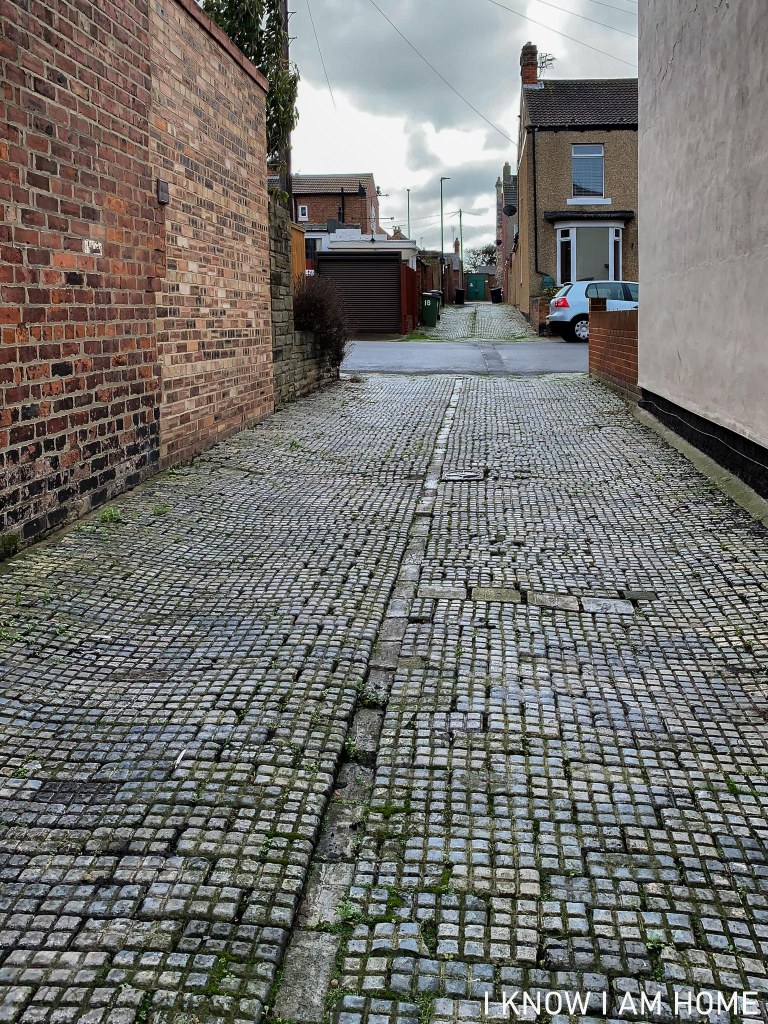
The paving here is quite complete.
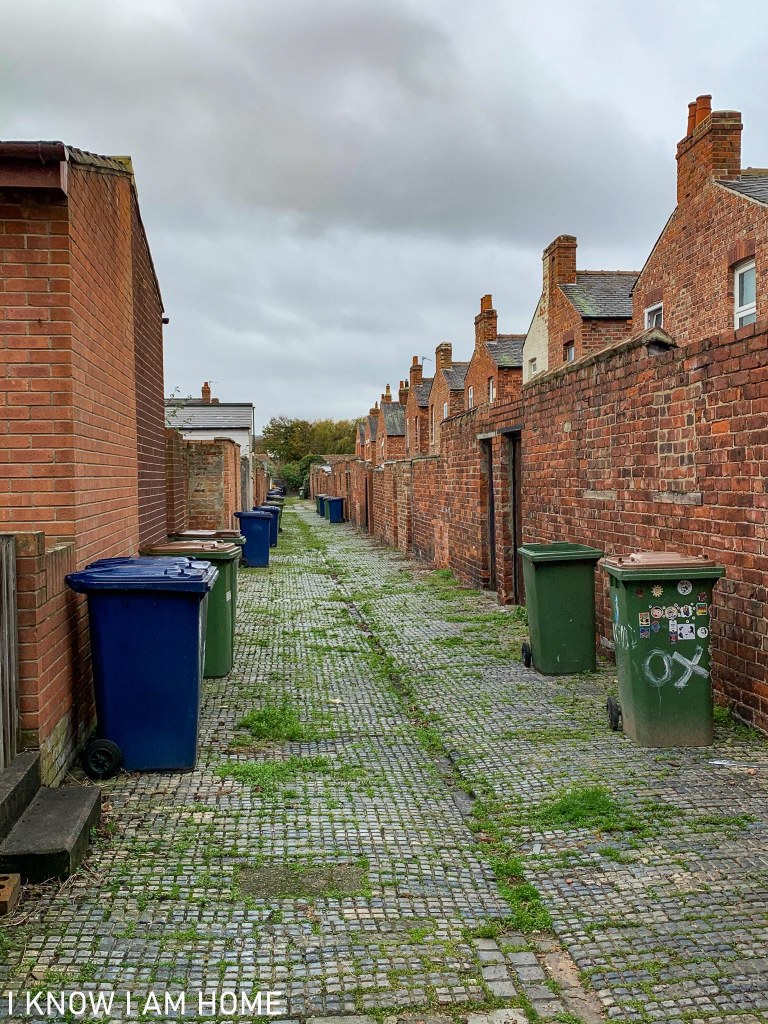
As said, this remarkably complete (albeit with a few sections patched) section of bricks last until the last through passageway with Oxford Street.
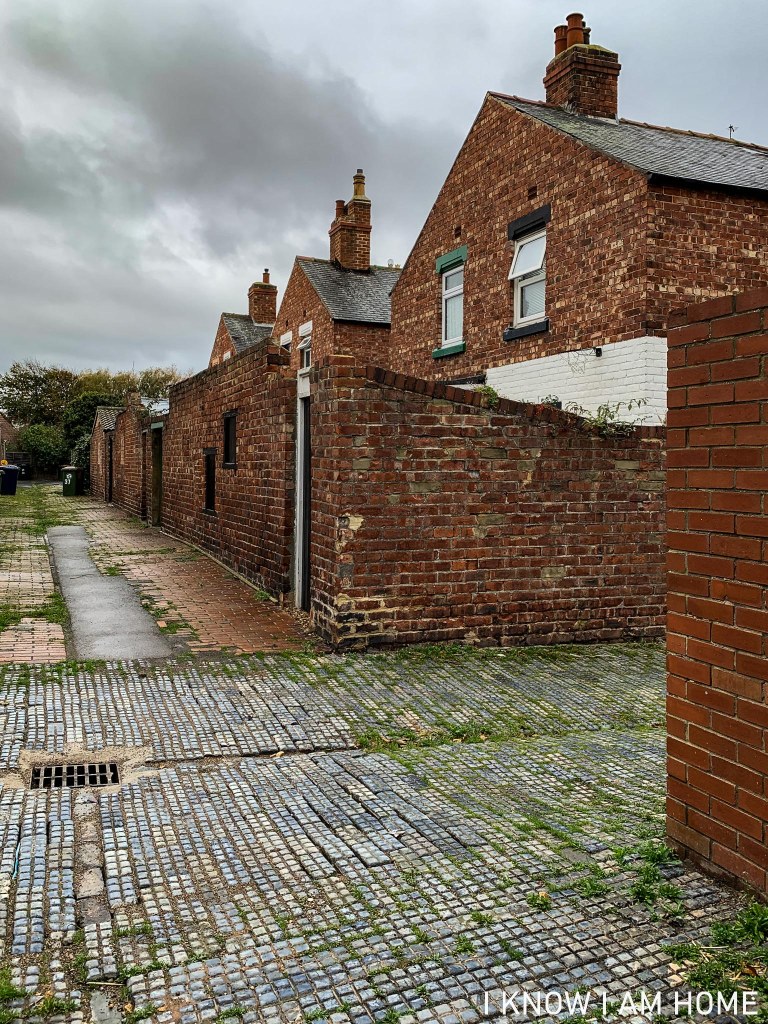
At this connecting passageway, not only does the direction of the scoria brick change but following the intersecting passage the bricks become a more conventional brown, with an unsightly section of tarmac patching.
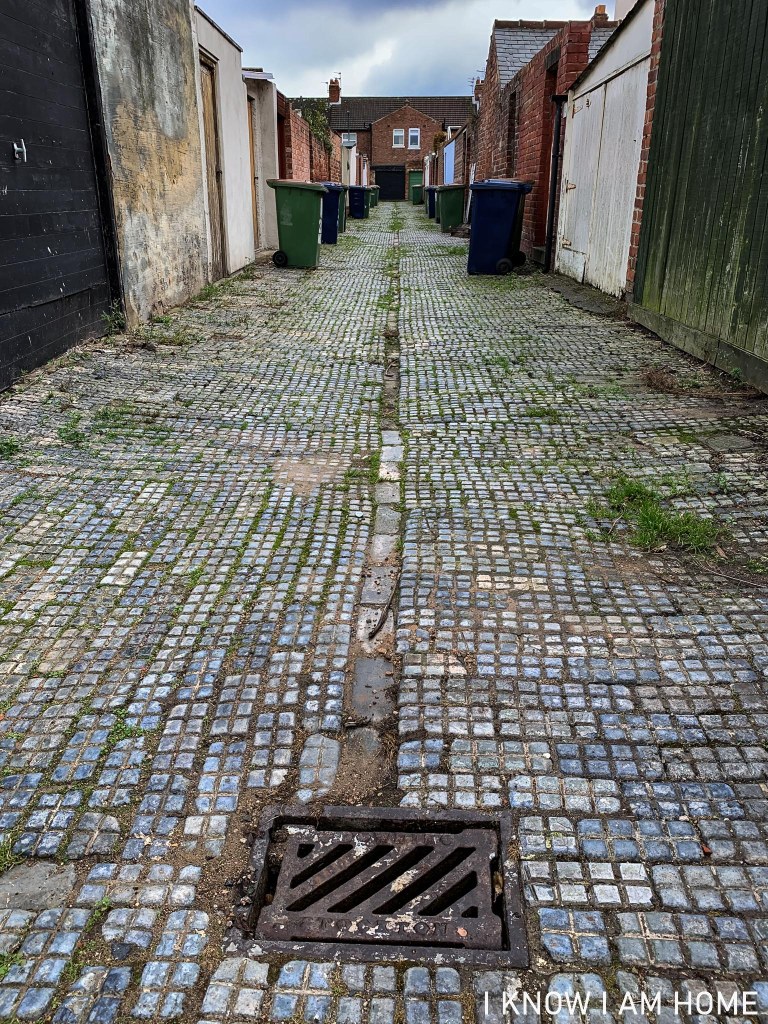
If you walk from this intersection, crossing Montrose Street and following the trail of these blue grey bricks, you reach the ‘crossroads’ of the back lane between Montrose Street and Randolph Street, again paved with the almost ubiquitous in Saltburn eight division pavers – there was a surprise halfway along here. Of note the other feature of the street in this image, the iron drain cover, was cast in Stockton…
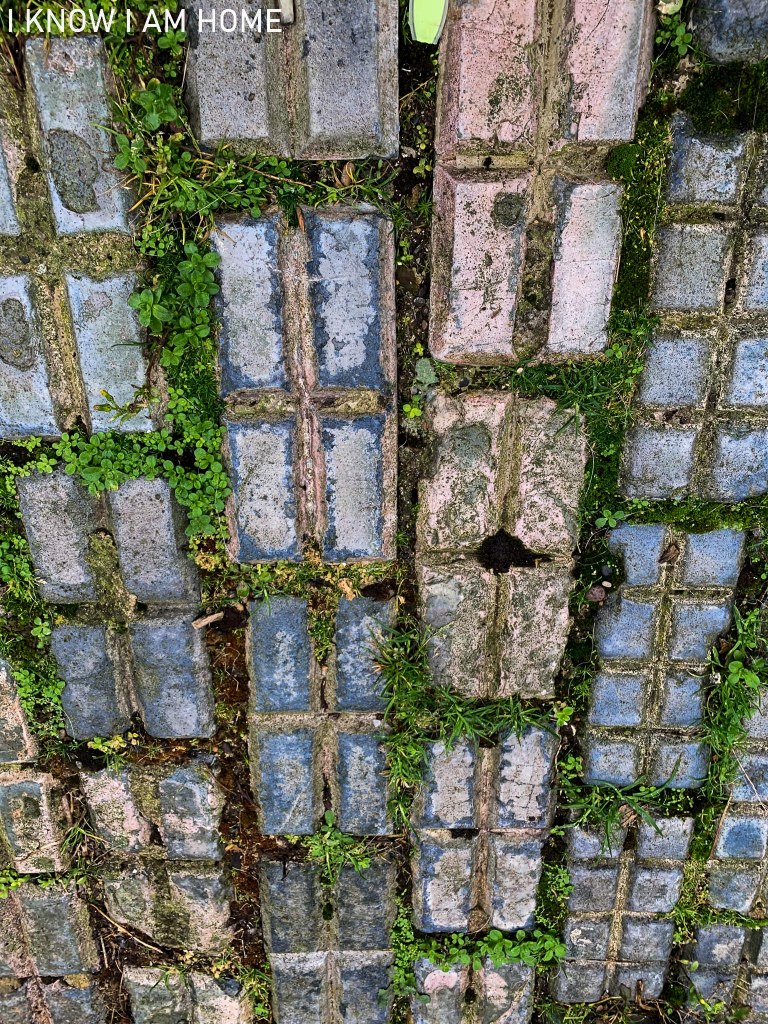
A type of paver I’ve only found here in Saltburn, these four division pavers are found in the middle of the Montrose Street and Randolph Street back lane.
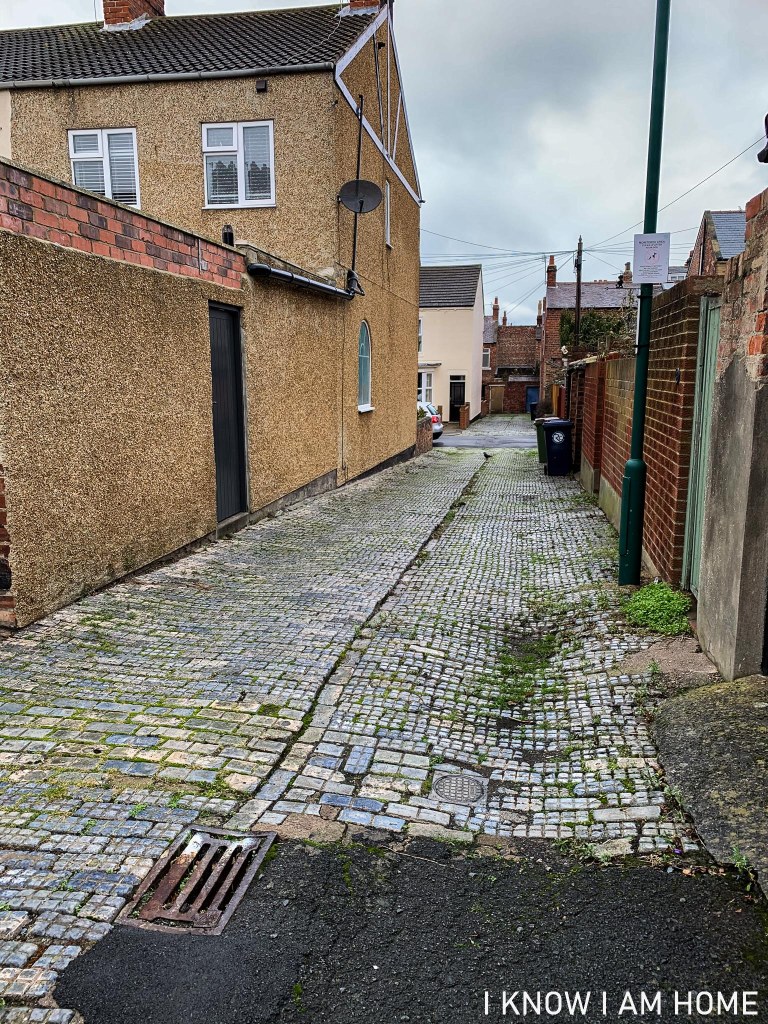
Before turning to your left to walk toward Randolph Street you can look back toward Montrose Street and find an attractive vista with sagging pavers of the plain, single divide and eight division variety.
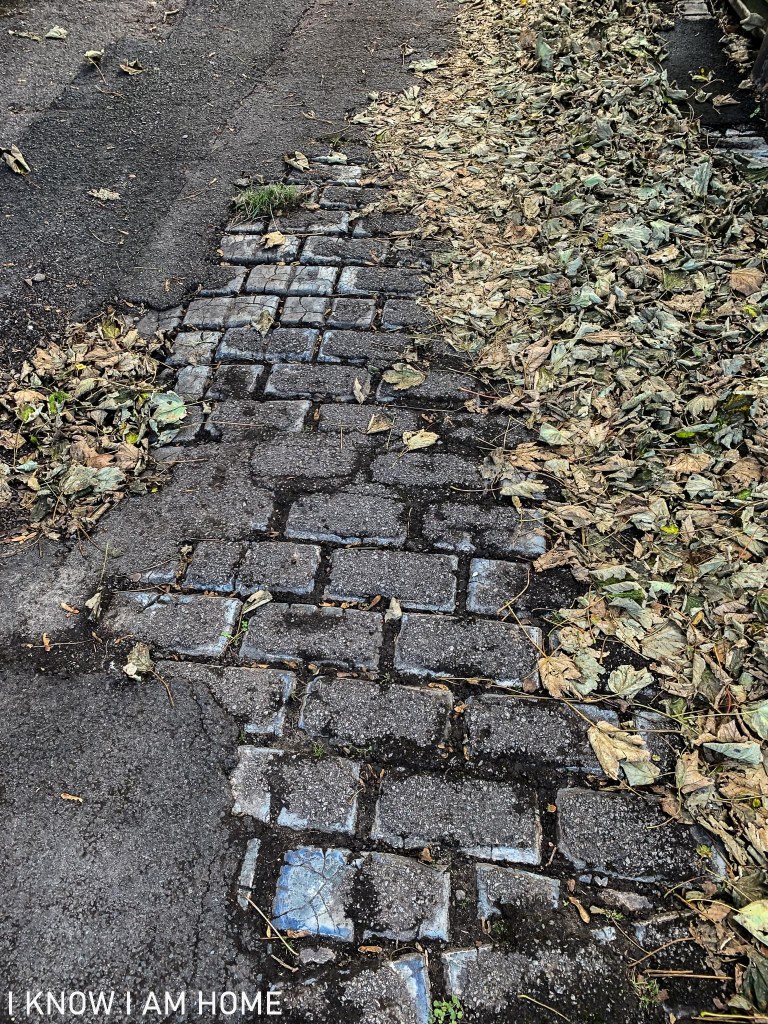
Between Lune Street and Avon Street there are examples of single divide sets which have been paved over with tarmac.

This obviously was an attempt of the past to provide a smoother surface underfoot / wheel. However now, in a heritage conservation area the powers that be are starting to notice the damage that has been done.
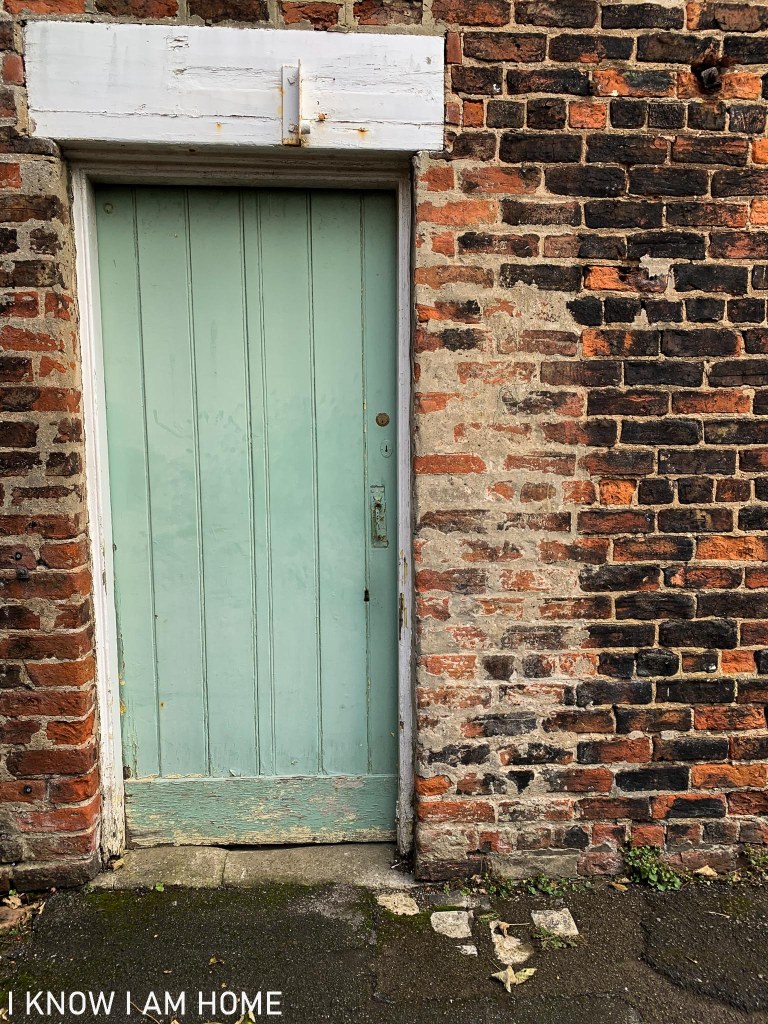
Moving further between Avon Street and Greta Street there’s further evidence of the covering of the scoria setts.
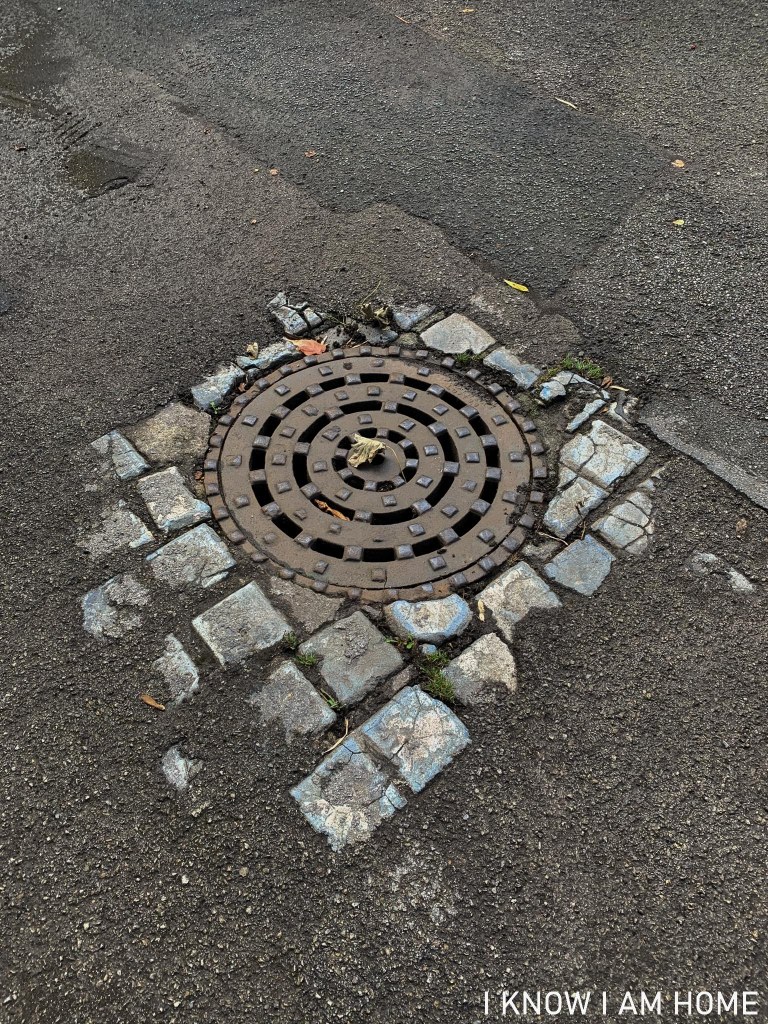
Areas of more water ingress or where access is needed to street furniture tend to betray the previous paving material.
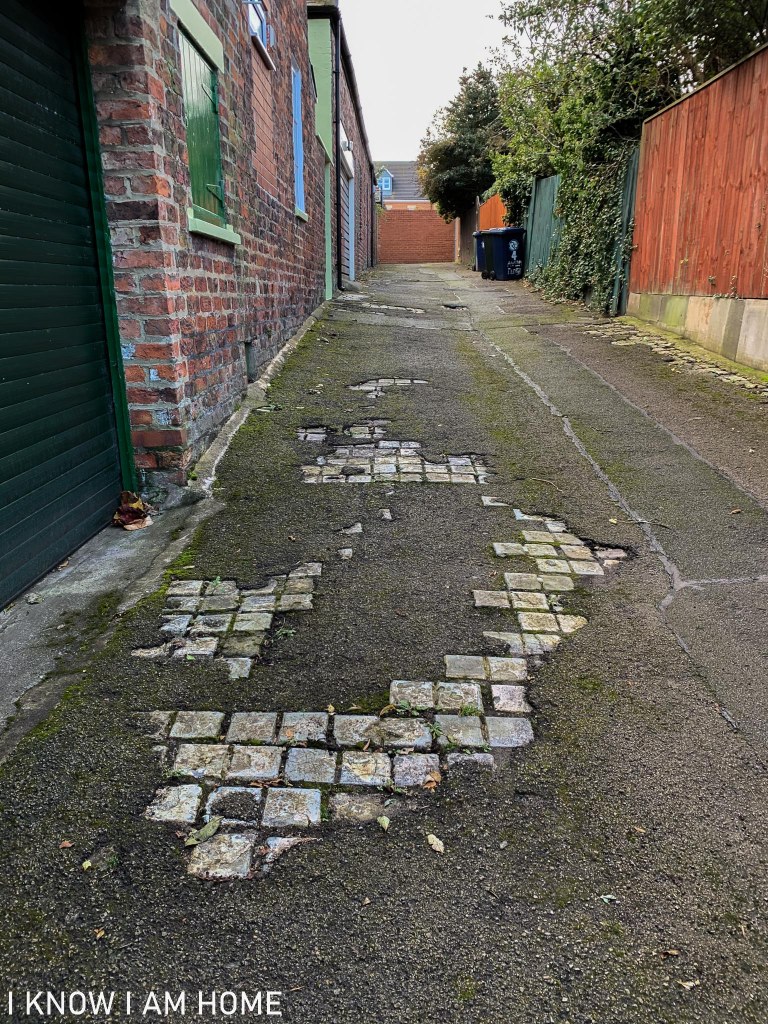
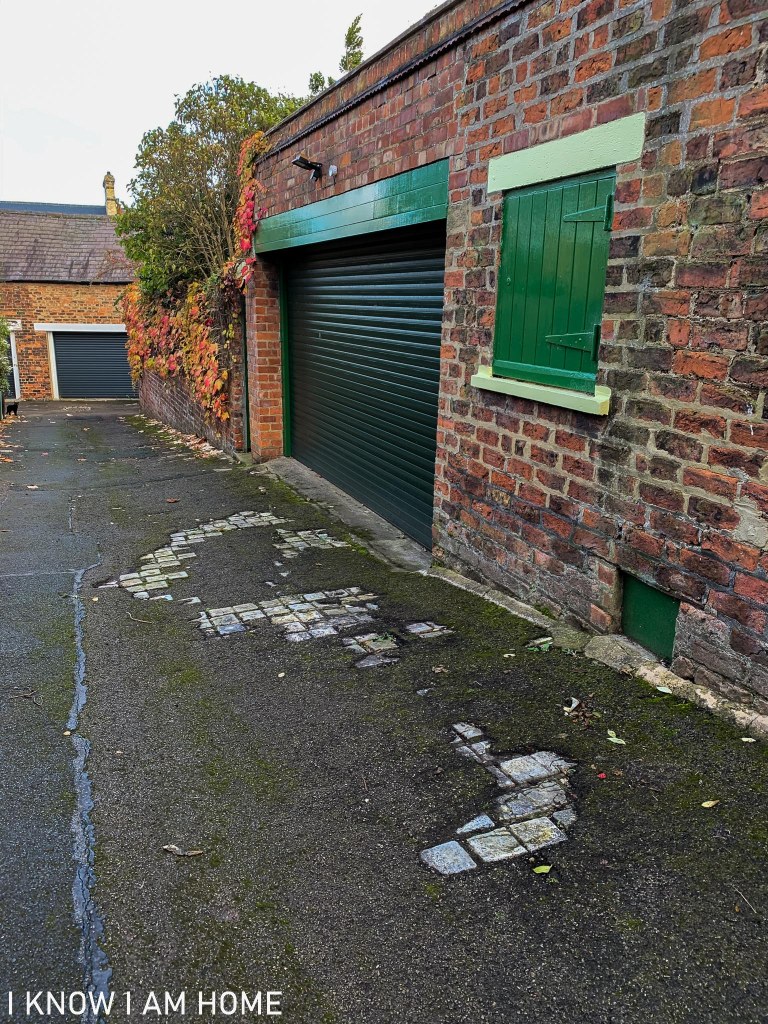
It is, alas, blatantly evident that the short alleyway behind Greta Street once looked resplendent with downhill sections of scoria brick.
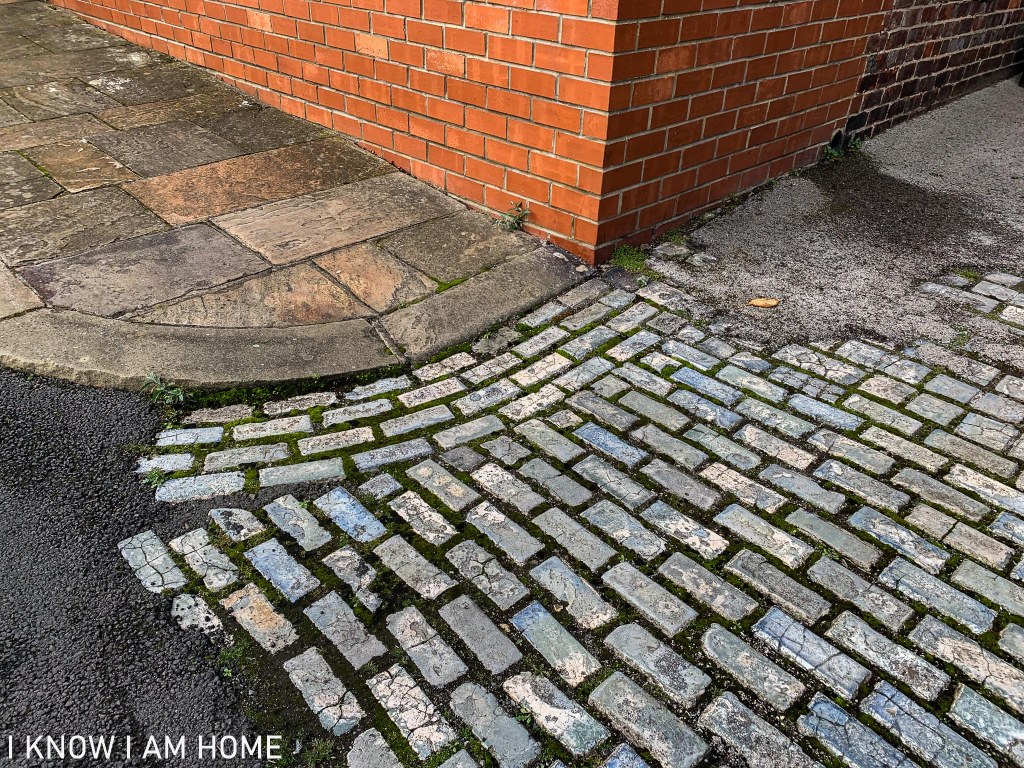
There’s a beauty, despite being less intricate. to the plain pavers aside from there colour too.
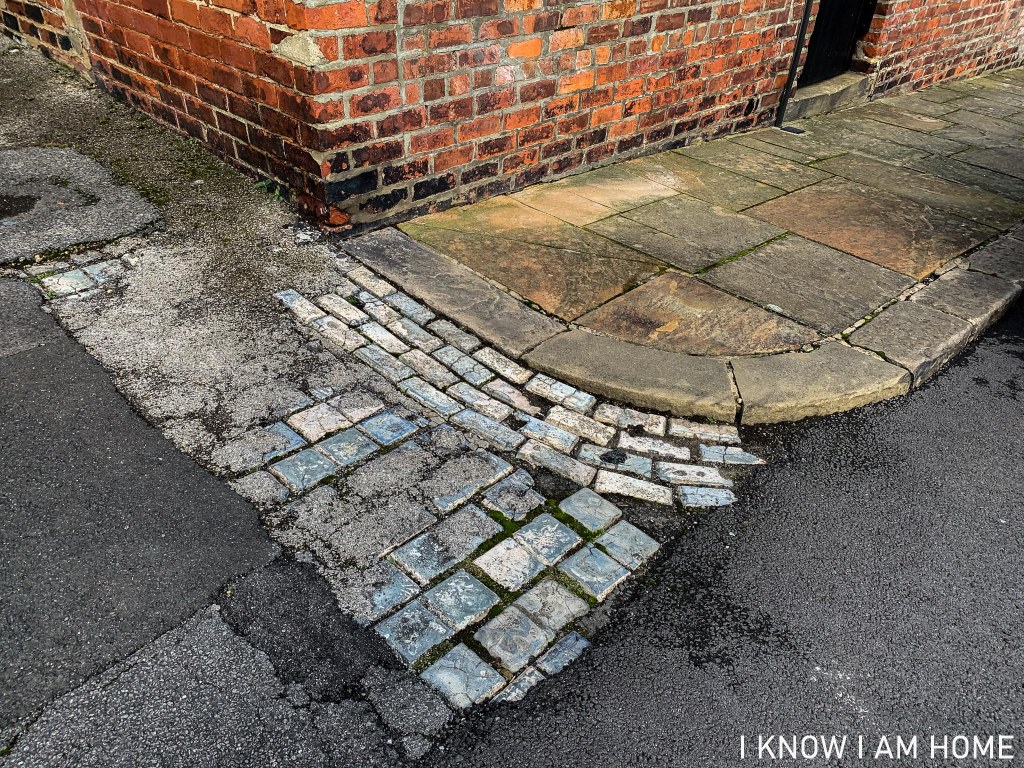
Especially where their placement has been made sympathetic with other street features, such as here on Greta Street where they form a graceful curve following the curb.
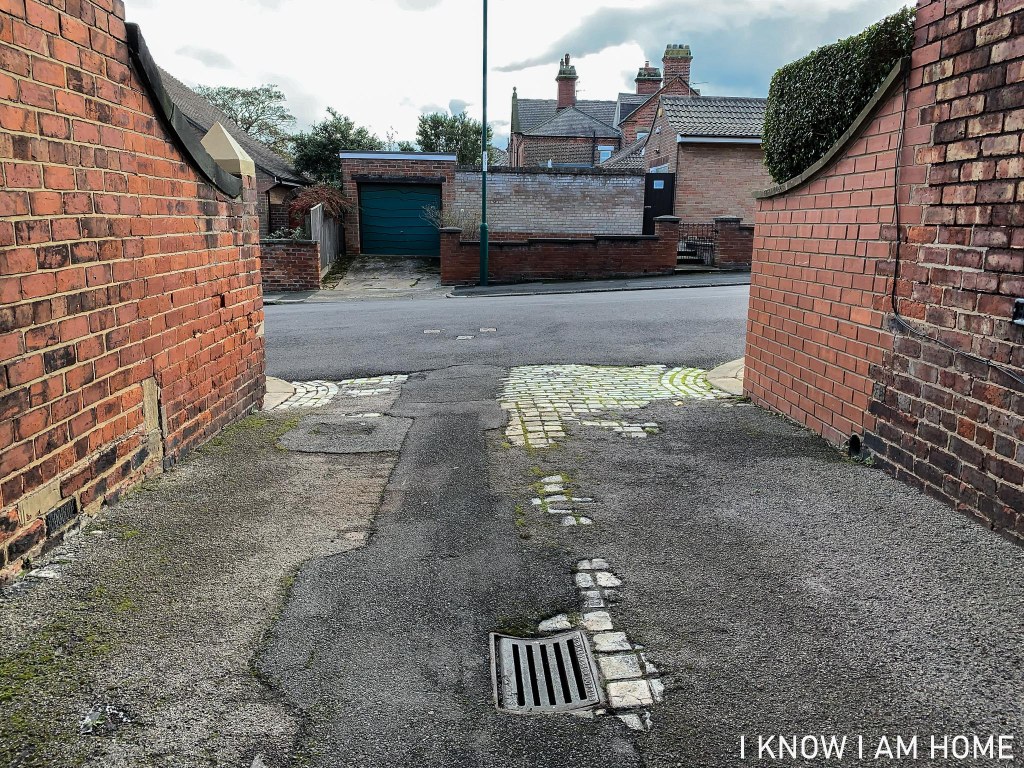
Sadly inconsistent patch repairs on the blocks of Greta Street are evident.
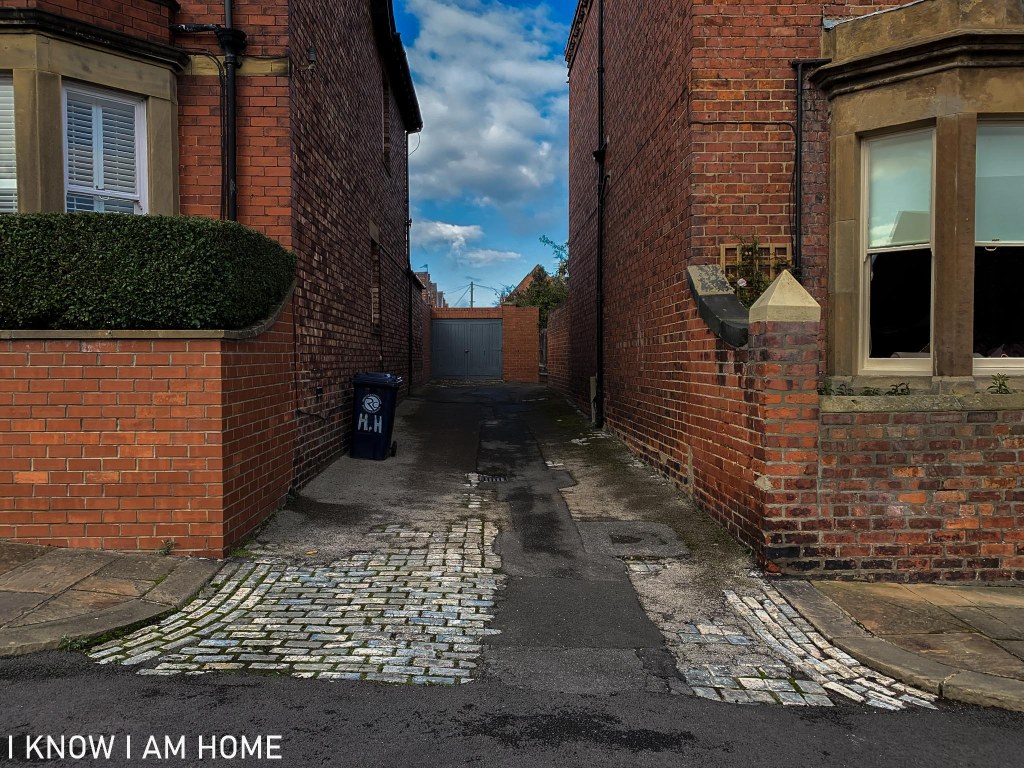
Though unsightly these patch repairs were deemed necessary to retain the integrity of the highway.

Again between Avon Street and Lune Street, this complete set of single divide blocks is existent.
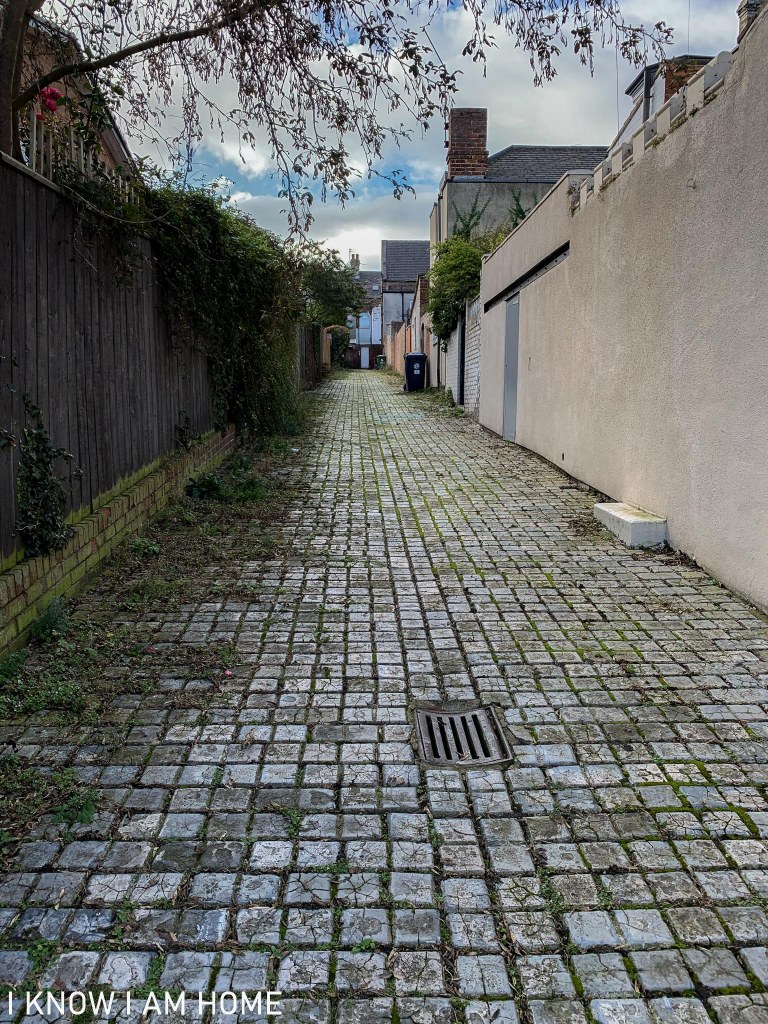
From the previous passageway is another back alley, with the single divide pavers and no central gutter line of plain pavers.
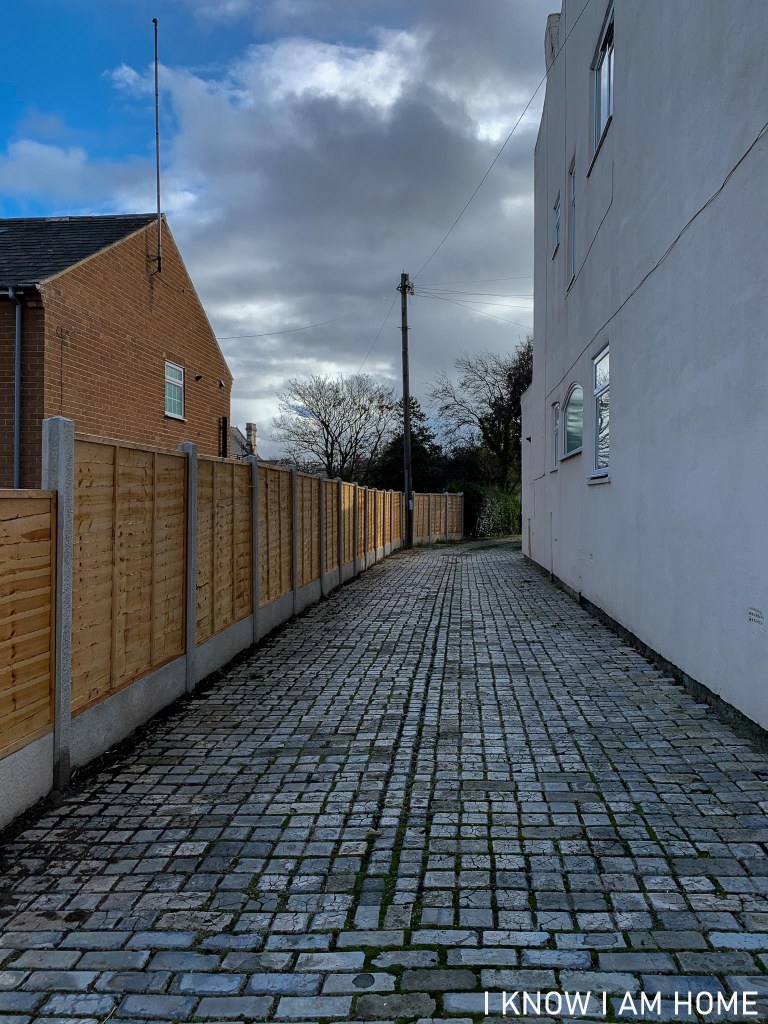
Even with relatively modern buildings and features here the reflective blue grey brick retains a character.
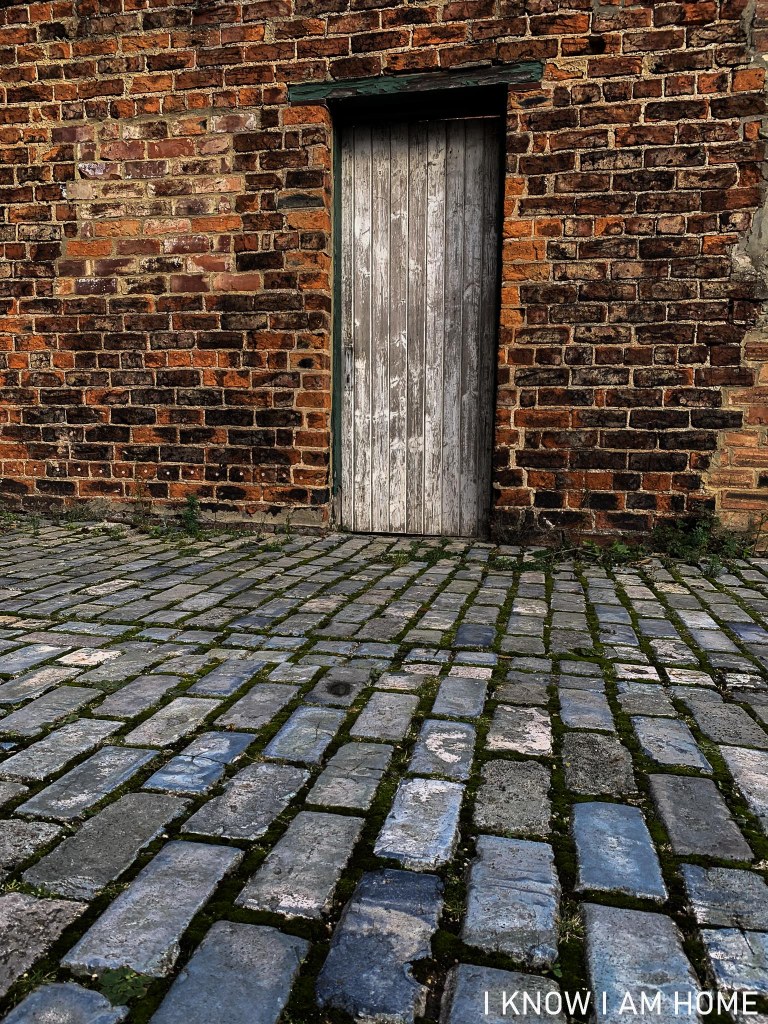
Heading back towards the station square, just before reaching Tweed Street this delightful scene jumped out at me. I did wonder about the dots on the bricks of the wall in the background.
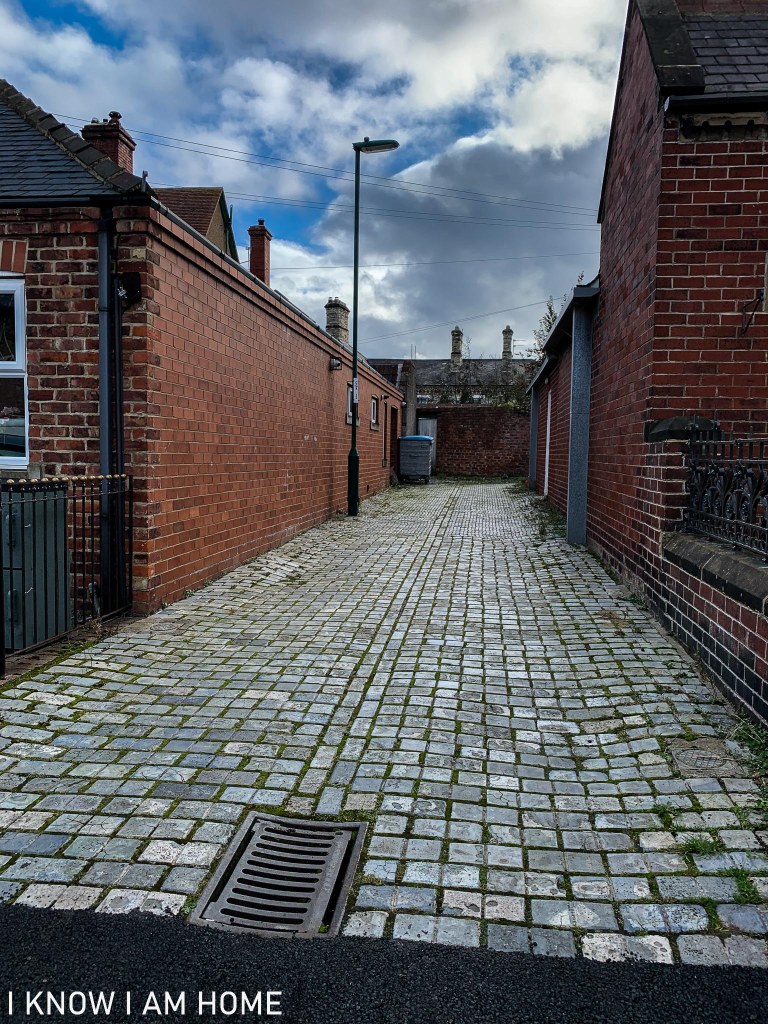
The scoria bricks this side of Windsor Road end at Leven Street, abruptly.
With that, so ends the series on scoria bricks found in Saltburn by the Sea.
 I KNOW I AM HOME
I grew up in Loftus where there were many backstreets with ‘SLAG’ bricks as they were known. Apart from being very slippy when wet, they had two other ‘problems’ . One was quite a few worked loose, and water filled up the gaps. When you stood on one it squirted the water up your leg ! The other was if broken they smelled of bad eggs due to the trapped blast furnace suphur contained in pockets inside the brick. The good point was that they were very hardwaring.
LikeLike
I found a worn Scoria brick on the shore between Saltburn and Marske. I decided that I’d pick it up and bring it home. It didn’t have any fissures but had been worn by continual effort from the sea. I’d wandering for a bit and my companion had found some other rocks and items to pick up and look at.
By the time I had reached Saltburn and tipped the bag out to ‘inspect the finds’ I had found the brick had split in my bag, causing a faint but rather reminiscent smell of sulphur when I opened it. Which reminded me of long walks to the gare when the blast furnace was still operational…
Even the worst smells can be quite evocative and positive.
LikeLike